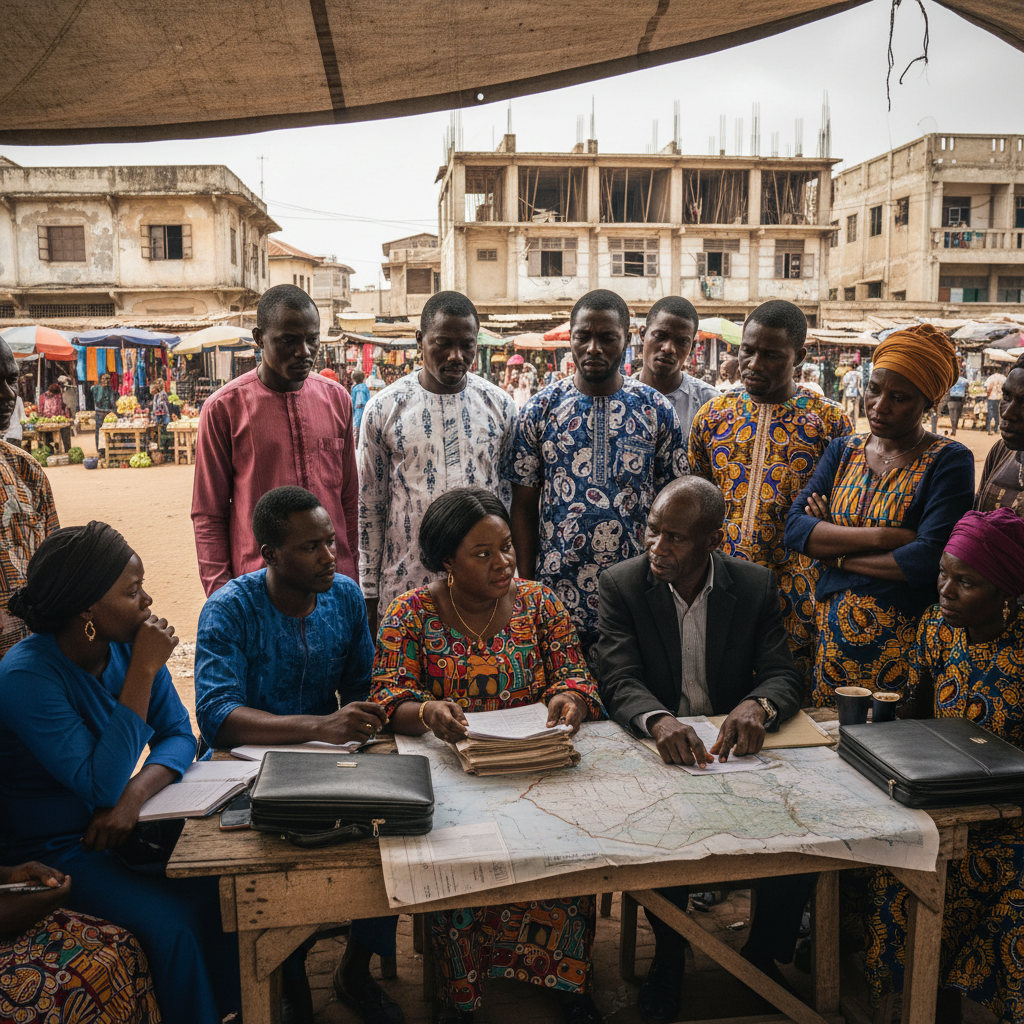
South Africa has made no decision regarding compensation for Ghanaians returned from its territory, stating that investigations into the circumstances remain ongoing. Ronald Lamola, South Africa’s Minister of International Relations and Cooperation, confirmed this position on June 10, emphasizing that authorities are still examining how incidents occurred and who bears responsibility.
Mr. Lamola explained that it is premature to discuss compensation while investigations are incomplete. He noted that many returned individuals were previously declared undesirable in South Africa due to immigration violations. This status as undesirable complicates any potential compensation claims. Each case will undergo individual assessment based on its specific merits, rather than a blanket approach.
This situation highlights the complexities often faced by Ghanaian traders operating in other African countries. Many Ghanaians seek economic opportunities abroad, sometimes without proper documentation. Such incidents can strain diplomatic relations and impact regional economic cooperation initiatives, like the African Continental Free Trade Area (AfCFTA).
Speaking on the Super Morning Show, Mr. Lamola stated, “The first aspect we have to look into is how it happened, who forced them out and all that.” He added, “At this stage, there is no ground for any compensation because we are still looking into all the aspects, because you need to be sure.” This indicates a cautious approach, aiming for thoroughness before a final pronouncement.
The ongoing investigations mean uncertainty for Ghanaian traders who believe they suffered losses. Future announcements will likely depend on the findings regarding forced removals versus voluntary returns or deportations due to immigration offenses. This outcome will shape how Ghana's government and affected individuals engage with South African authorities on this matter. It also sets a precedent for how African nations handle compensation claims involving migrants.
The issue of Ghanaians being declared undesirable for immigration violations underscores a persistent challenge. Data from the Ghana Immigration Service frequently shows a significant number of Ghanaians repatriated annually for various offenses abroad. This incident emphasizes the need for proper documentation and adherence to host country regulations for Ghanaian citizens seeking opportunities outside Ghana. It also highlights the economic challenges that push individuals to seek livelihoods beyond national borders, sometimes leading to vulnerable situations.
The South African government's focus on individual case merits means a protracted process for any potential compensation. Decision-makers in both Ghana and South Africa will monitor these investigations closely. The outcome could influence future policies on migrant workers' rights and inter-African trade relations. Market participants, including cross-border traders, will also watch for resolutions that might affect their operations.