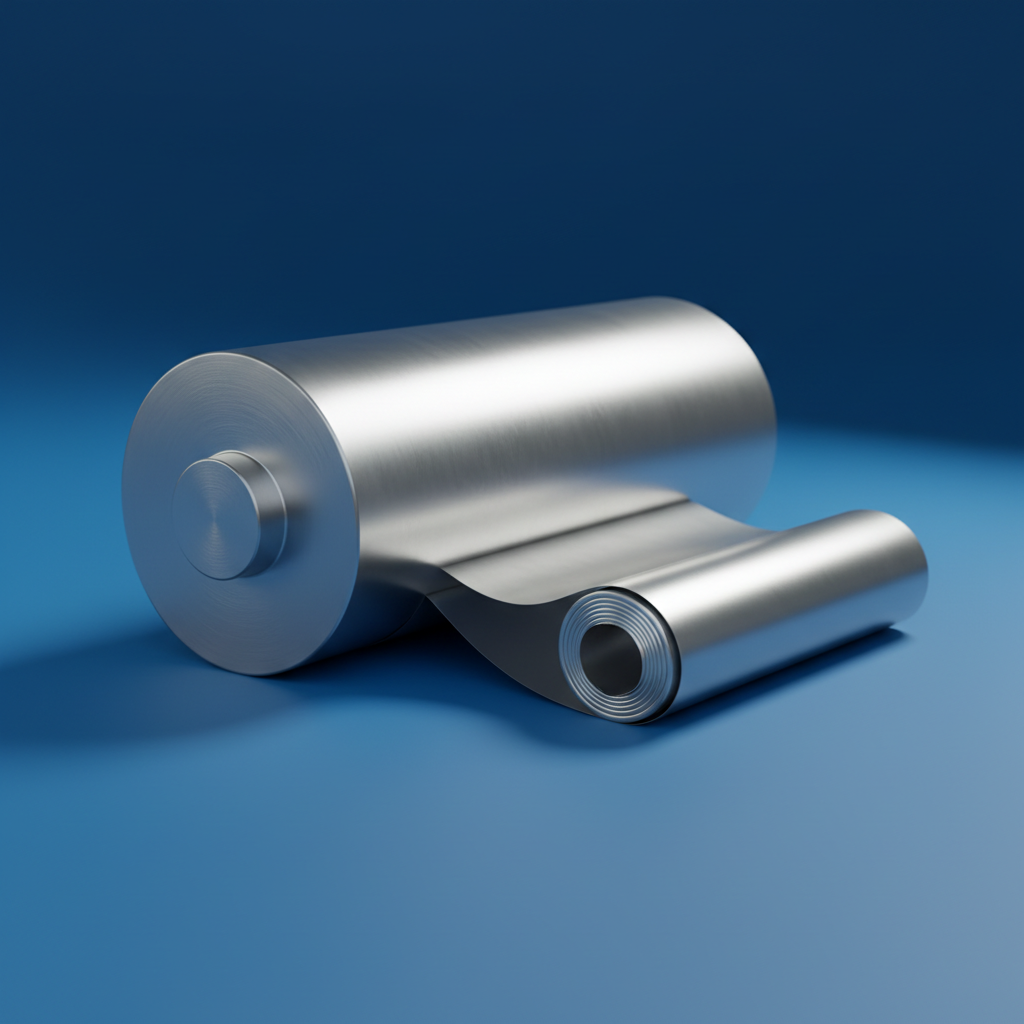
The Volta Aluminium Company Limited (VALCO) has launched a new continuous casting and rolling mill, enabling it to produce aluminium rods for Ghana’s electrical cable industry. This strategic move aims to reduce the nation’s reliance on imported aluminium inputs and strengthen local manufacturing capabilities.
This development is expected to significantly enhance Ghana’s ability to retain more value from its aluminium resources. By supplying locally manufactured intermediate products to downstream industries, VALCO will help reduce their dependence on foreign imports. The new production line has already undergone industrial testing with two local cable manufacturers, Nexans Kablemetal and Reroy Cables, both providing satisfactory feedback on the samples supplied.
This initiative fits into Ghana’s broader ambition to develop an integrated aluminium industry, moving beyond exporting raw materials. The Ghana Integrated Aluminium Development Corporation (GIADEC) is mandated to support this value chain, from bauxite mining to value-added manufacturing. VALCO’s new mill provides a crucial link, converting Ghanaian aluminium into products needed by other industries, thereby fostering economic diversification and growth.
VALCO’s Finance Director, Sepenu Agbetsise, disclosed this development at the Ministry of Lands and Natural Resources’ mid-year performance review. Mr. Agbetsise highlighted that this represents an important shift from VALCO’s traditional role as a primary aluminium producer to a more integrated operation. He stated, “Hitherto, these companies would have had to import the rod and process it into the various cables that power our homes. Now, VALCO is in a position to supply those directly.”
The new mill has significant implications for Ghana’s cable and manufacturing sectors, which heavily rely on imported aluminium. Local production of aluminium rods could shorten supply chains and reduce exposure to international freight costs and supply disruptions. This domestic sourcing will provide manufacturers with a more stable and cost-effective supply of essential intermediate products. The company is also exploring export markets, having shipped 25 metric tonnes of H11 Electrical Conductor (EC) grade aluminium rods to Europe for testing by June 2026. Successful international testing could further strengthen Ghana’s position in the global aluminium market.
Despite this progress, VALCO faces a major structural challenge: Ghana lacks a domestic alumina refinery. The company currently imports alumina, its primary raw material, which places pressure on working capital due to the time between ordering, payment, and receipt. This dependence incurs substantial logistics and financing costs. A local alumina refinery would significantly shorten the supply chain, reduce inventory requirements, and ease financial burdens, improving the competitiveness of Ghana’s smelting industry. Mr. Agbetsise explained that local alumina production could reduce both financing requirements and operating costs. The government continues to seek investors for Ghana’s first alumina refinery, viewing it as critical for a fully integrated aluminium value chain. VALCO’s rolling mill, therefore, represents an immediate opportunity to capture greater value from aluminium, even as efforts continue to address the alumina supply gap. The company has identified construction, automotive, packaging, and other manufacturing industries as potential markets for locally produced aluminium products, aiming to substitute imported inputs and create a robust domestic market.