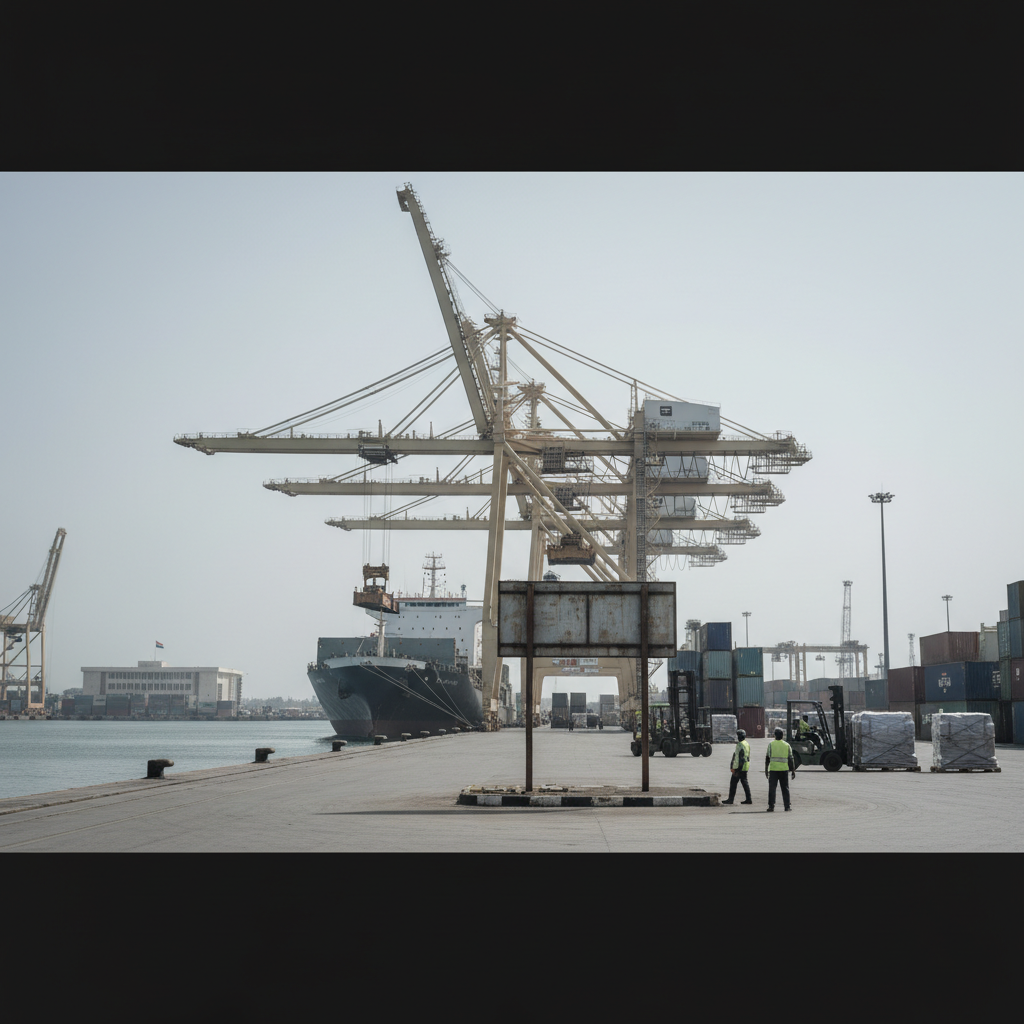
The United States Navy has reinstated a blockade targeting Iranian vessels and their customers in the Strait of Hormuz. President Trump announced this decision on Monday, declaring the critical waterway “OPEN” for all other nations. The US will also demand a 20% reimbursement on all cargo shipped through the Strait of Hormuz.
This reimbursement will cover the costs of providing safety and security in the volatile region. President Trump stated on Truth Social that the US will now be known as “THE GUARDIAN OF THE HORMUZ STRAIT.” The process for implementing this fee and forming the new security arrangements will begin immediately.
The Strait of Hormuz is a vital chokepoint for global oil shipments. Approximately one-fifth of the world’s daily oil consumption passes through this narrow passage. Disruptions here directly impact global oil prices and trade, affecting economies, including Ghana's. Ghana imports crude oil and refined petroleum products, making stable oil prices and secure shipping lanes crucial for its economic stability and energy security.
US Central Command (CENTCOM) confirmed that American forces had struck dozens of Iranian targets over the weekend. These targets included missile and drone capabilities, small boats, coastal radar sites, and Tehran’s air-defense systems. These strikes aimed to restore international shipping through the Strait following earlier disruptions.
A previous US naval blockade had been in place earlier in the conflict but was withdrawn in mid-June. That withdrawal followed the signing of a 14-point Memorandum of Understanding with Iran. The re-imposition of the blockade now signals a significant shift in US policy toward Iran and shipping security in the region.
The re-escalation of tensions in the Strait of Hormuz could lead to increased oil price volatility. This directly impacts Ghana’s economy through higher fuel costs, affecting transportation, production, and inflation. Decision-makers in Accra will closely monitor the situation for its potential effects on the Ghana cedi and the national budget.
Analysts will watch for Iran's response to the renewed blockade and the proposed cargo fee. The international community’s reaction to the US's unilateral demand for a 20% reimbursement will also be a key factor. Global shipping companies and oil markets will need to factor in these new costs and risks.
The long-term implications for maritime insurance rates and global trade routes are still unclear. Any sustained disruption or heightened conflict could have far-reaching economic consequences for Ghana and other oil-importing nations. The immediate focus will be on how the US enforces the blockade and collects the new cargo fees.