The United States has declined to renew the US-Mexico-Canada Agreement (USMCA) in its current form, preventing an automatic 16-year extension of the trade deal. This decision means the trilateral trade pact, which underpins approximately $2 trillion in trade annually, will not automatically remain in place until 2042.
Instead of a long-term commitment, the USMCA now faces a potential ten-year countdown to termination if the three countries cannot unanimously agree on future renewals. This lack of an automatic extension creates fresh economic uncertainty across North America. US trade officials stated they would not “rubber stamp a USMCA renewal” without addressing existing issues within the agreement.
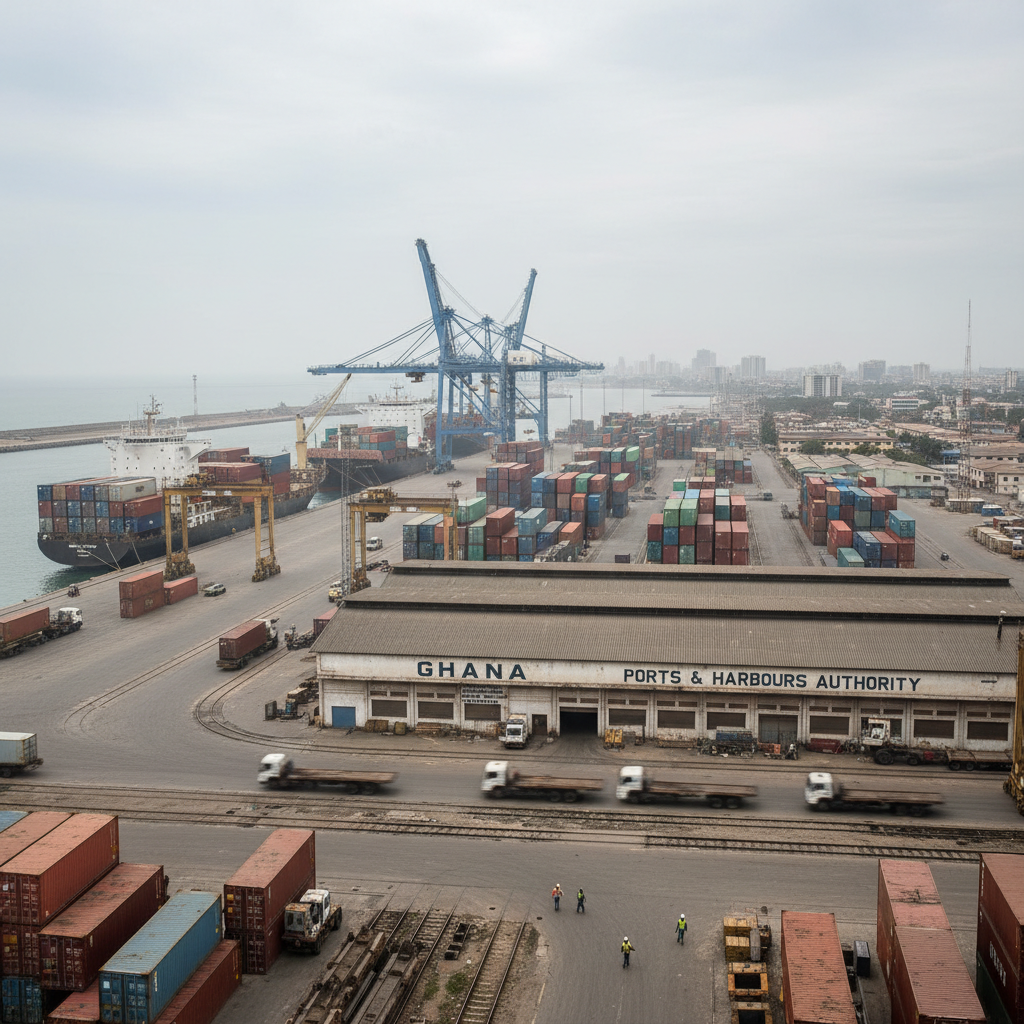
This development has broader implications for global trade stability and investor confidence in established trade blocs. Ghana's economy, while not directly tied to the USMCA, relies on predictable international trade environments. Disruptions in major global supply chains can indirectly affect Ghanaian imports and exports through price volatility and shifts in international demand. Ghana, like other developing nations, often monitors the stability of large trading agreements as indicators of global economic health and potential impacts on its own trade relationships and foreign investment attraction.
A senior US official confirmed the decision, stating, “the United States did not agree to renew the USMCA in its current form.” This position aligns with US demands for significant changes to the agreement. US concerns include automotive rules of origin, access to dairy markets, and preventing countries like China from exploiting regional trade benefits.
The US refusal to renew the agreement triggers a ten-year countdown, meaning the deal could expire as early as 2036. This forces the nations to meet annually to negotiate changes. Business groups across North America, including the US Chamber of Commerce, had previously advocated for the automatic extension. They warned that sectors like manufacturing and agriculture rely heavily on cross-border certainty for planning and operations. Conversely, certain US domestic trade organizations, such as the American Iron and Steel Institute, welcomed the shift. They argue that annual reviews provide American negotiators with useful leverage to address and fix parts of the current deal.
The USMCA came into effect six years ago, replacing the 1994 North American Free Trade Agreement (NAFTA). It updated rules on digital trade, workers' rights, and regional manufacturing. Specifically, the agreement requires a higher percentage of vehicle parts to be produced within North America. The current impasse now means these modernized rules, vital for integrated supply chains, will face ongoing scrutiny. Businesses must now brace for potential changes to these foundational trade rules which could impact significant investments made since 2020. This ongoing negotiation could also influence the approach of other major trade blocs when reviewing their own agreements.