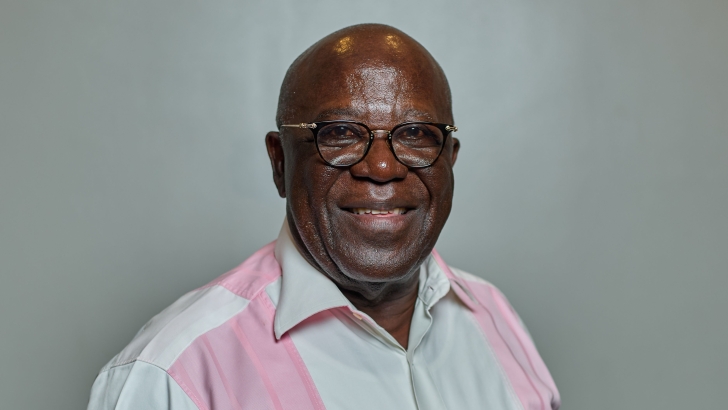
Ghanaian business leader Sir Sam Jonah has disclosed that a significant real estate investment in Nigeria has faced "sustained harassment" by state agencies. This revelation comes as he questions the conditions for African investors operating across the continent.
Sir Sam, a veteran mining executive, stated that Ghanaian workers on his Nigerian project also experienced troubling treatment. He compared their experience to hostility seen towards foreign African nationals elsewhere. This situation raises concerns about the environment for businesses expanding within Africa.
This incident fits into a broader discussion about Africa's economic integration and the African Continental Free Trade Area (AfCFTA). The AfCFTA aims to reduce trade barriers and boost cross-border business. However, administrative obstruction and unpredictable regulation can undermine these efforts. Sir Sam's experience highlights potential gaps between political ambitions and on-the-ground realities for investors.
Sir Sam Jonah made these statements during his keynote address at the Global Business Forum – Ghana Edition on Friday, August 28, 2026. He stated, "That investment has been subjected to sustained harassment by state agencies." He further added, "Ghanaian workers on the site have endured treatment not dissimilar to the scenes we deplore in South Africa."
This disclosure implies potential challenges for the AfCFTA's success if such issues persist. Decision-makers will need to address regulatory predictability and investor protection across borders. Markets may react to perceived risks for intra-African investments, potentially impacting capital flows within the continent.
Sir Sam's intervention is significant because of his stature as one of Africa's most prominent business figures. He led Ashanti Goldfields, transforming it into an internationally recognized mining company. Ashanti Goldfields was the first operating African company to list on the New York Stock Exchange. His experience carries considerable weight in continental business discussions.
He argued that if an investor with his resources and networks faces such difficulties, younger entrepreneurs will encounter even greater obstacles. "If this is the experience of an investor with my resources, my networks and my grey hairs, what hope has the young entrepreneur with none of these?" he asked. This question directly challenges the underlying assumptions of the AfCFTA.
The AfCFTA seeks to create a more integrated continental market. It aims to achieve this by reducing barriers to trade and expanding business opportunities. However, lower tariffs alone will not ensure meaningful integration. Businesses need predictable regulation and protection when investing outside their home countries. Without these, companies face significant hurdles.
Sir Sam warned that such conditions could ultimately drive African capital away from the continent. He noted, "When African capital is harassed in Africa, we should not wonder why it flees to London and Dubai." This highlights a long-standing contradiction in Africa’s investment model. Governments often compete for foreign direct investment, offering incentives like tax concessions. Yet, African businesses expanding into neighboring markets frequently face regulatory uncertainty and bureaucracy.
Sir Sam wants this distinction addressed. He urged governments to "Protect the African investor and the African worker in your jurisdiction as zealously as you court the foreign one." He believes that no treaty can achieve what hospitality refuses. A continental free-trade agreement can reduce tariffs and harmonize regulations. However, businesses ultimately operate within national legal and administrative systems. Their willingness to invest depends on contract respect, property rights protection, and consistent application of rules by government agencies.
One long-term ambition of African economic integration is the development of regional value chains. This involves capital, skills, and goods moving more efficiently across borders. Hostility towards workers from other African countries can undermine this process. This happens even when formal trade agreements encourage greater commercial integration. Sir Sam's disclosure will likely fuel further debate on these critical issues.