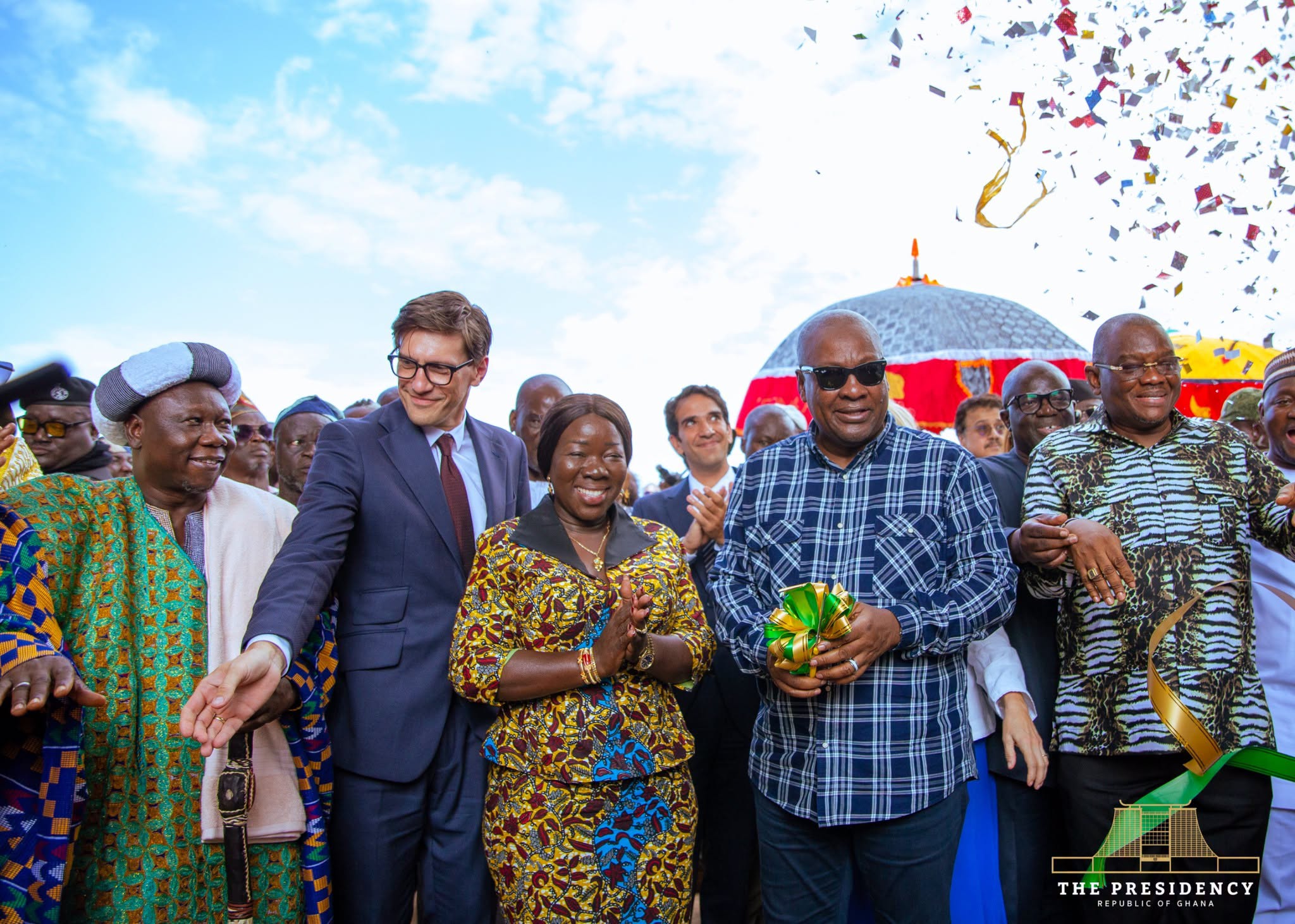
President John Dramani Mahama has declared the Northshore Apparel Hub as the start of a new industrial era for Northern Ghana. He made this statement during the commissioning of the new facility. This development aims to restore the region's historical industrial strength.
The President highlighted Northern Ghana's past as a significant industrial and agro-processing centre. Factories once supported agriculture, created jobs, and produced goods for both local use and export. This new apparel hub represents a critical step in reclaiming that economic legacy for the region.
Northern Ghana experienced a vibrant industrial period in the 1970s, featuring rice-processing mills and vegetable oil mills. These facilities produced quality groundnut oil for the Ghanaian market and for export. The Ghana Cotton Company also supported local farmers, linking cotton production to textile manufacturing in the south. This integrated system included companies like Juapong Textiles Company, which supplied yarn to GTP and other textile firms. This historical context underscores the region's potential for industrial growth.
President Mahama recalled his father's establishment of the first rice processing plant in Tamale. This plant produced enough rice to feed Ghana and export to Burkina Faso. He further cited the Tiger Pito factory as another major industrial establishment contributing to the region's economy. These examples illustrate the depth of Northern Ghana's industrial past.
The President attributed the collapse of Northern Ghana's industrial base to several challenges. These included inadequate electricity supply, as the national power grid had not reached the North. Factories relied on expensive generators from the Electricity Corporation of Ghana. International economic crises, weak value chains, and poor transport links also contributed to the decline. These factors led to the collapse of what was once a thriving industrial ecosystem.
The establishment of the Northshore Apparel Hub offers significant hope for economic revival. President Mahama expressed optimism that this project is the first step towards restoring the North's industrial past. He believes the region can support modern industry by leveraging its natural and infrastructural advantages. This includes available land, improved electricity, and solar energy potential.
Lower labour costs, better air transport, and ongoing road development further enhance the region's appeal. Government efforts to improve water supply in Tamale will also strengthen industrial potential. These factors create a conducive environment for renewed investment and growth. The Ghana EXIM Bank provides financing for productive enterprises, supporting job creation and exports.
President Mahama linked the industrial revival to his government's 24-Hour Economy policy. This policy aims to create employment and accelerate exports. The Northshore Apparel Hub aligns perfectly with both these objectives. It represents a tangible example of the policy's implementation and its potential impact. The government seeks to attract investors to capitalize on these emerging opportunities.
The President expressed confidence that Northern Ghana can reclaim its position as a key centre for agriculture, agro-processing, and manufacturing. He urged investors to contribute to this new chapter in the region's industrial development. This strategic focus aims to unlock significant economic benefits for the entire nation.