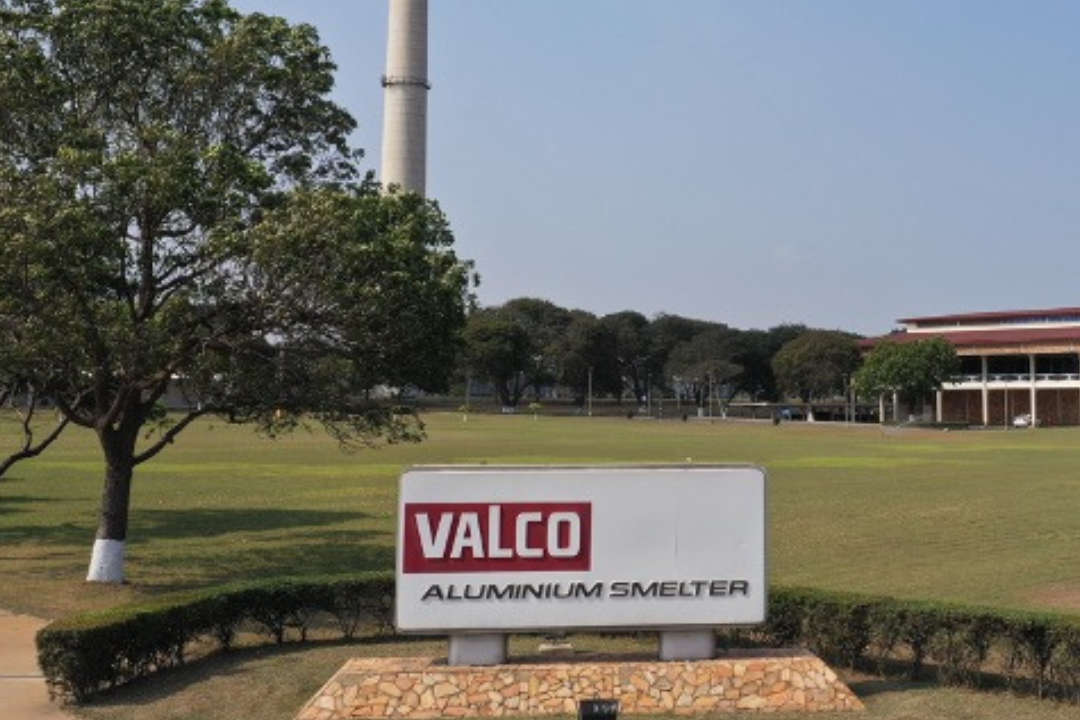
Ghana's Minister for Lands and Natural Resources, Kofi Buah, has strongly advocated for a strategic investor to take over the Volta Aluminium Company (VALCO). He stated that the state-owned smelter is currently operating far below its potential, costing the nation significantly.
Minister Buah warned that the current situation is unsustainable, describing VALCO as "bleeding." He stressed that sentiment about state ownership cannot replace the need for the company to be productive. The government intends to attract capital to rehabilitate VALCO's production capacity and restore its role in Ghana's integrated aluminium industry.
This push for a strategic investor comes as Ghana has long defended VALCO as a vital national asset. However, the company's deteriorating condition raises questions about whether the country is protecting the asset or merely preserving its ownership. The Minister's comments highlight a broader debate about state-owned enterprises and their economic viability within Ghana's development agenda.
Speaking at a policy engagement with IMANI Centre for Policy and Education in Accra, Minister Buah was direct. He said, "It is bleeding, it is bleeding," referring to VALCO's financial state. He argued that the central government lacks the unlimited funds needed to continually inject capital into the company while it operates inefficiently. This engagement followed IMANI's request for a fact-finding dialogue on the Ministry's operations and policy interventions.
The Minister's call signals a potential shift in policy regarding state assets. Decision-makers will now scrutinize proposals for strategic partnerships, focusing on capital investment, production capacity, job creation, and Ghana's retained ownership. Markets will watch for concrete steps towards attracting investors and the terms of any potential agreements, which could impact the broader industrial sector and investor confidence.
VALCO holds a significant position in Ghana's long-term goal of moving beyond raw bauxite exports to a fully integrated aluminium industry. A functioning smelter is crucial for this ambition, linking bauxite resources, the Ghana Integrated Aluminium Development Corporation (GIADEC), and downstream processing. Reviving VALCO could create substantial employment and economic activity, far exceeding its current constrained operations.
Minister Buah pointed out that only a fraction of VALCO's five potlines are currently working. Restoring more of these potlines could dramatically improve the facility's productive capacity and commercial outlook. He also noted resistance to introducing prospective investors, citing an instance where workers opposed a visit to the facility. This resistance, he suggested, reveals a tension between preserving the company and ensuring its economic viability.
The policy question extends beyond mere state ownership. It involves defining what Ghana should demand from any strategic investor. A credible partnership must demonstrate more than just cash injection. It needs to address capital investment, the number of potlines to be rehabilitated, restored productive capacity, and employment creation. Furthermore, it must clarify Ghana's ownership interest, local content guarantees, and how electricity costs will be managed without burdening the state.
These questions are vital because a poorly designed partnership could simply replace one form of inefficiency with another. However, refusing investment due to the symbolism of state ownership also carries a cost. A smelter that Ghana owns but cannot fully operate may not be more patriotic than one where the state partners with capital to make the asset productive. Minister Buah's position is clear: the status quo for VALCO cannot continue.