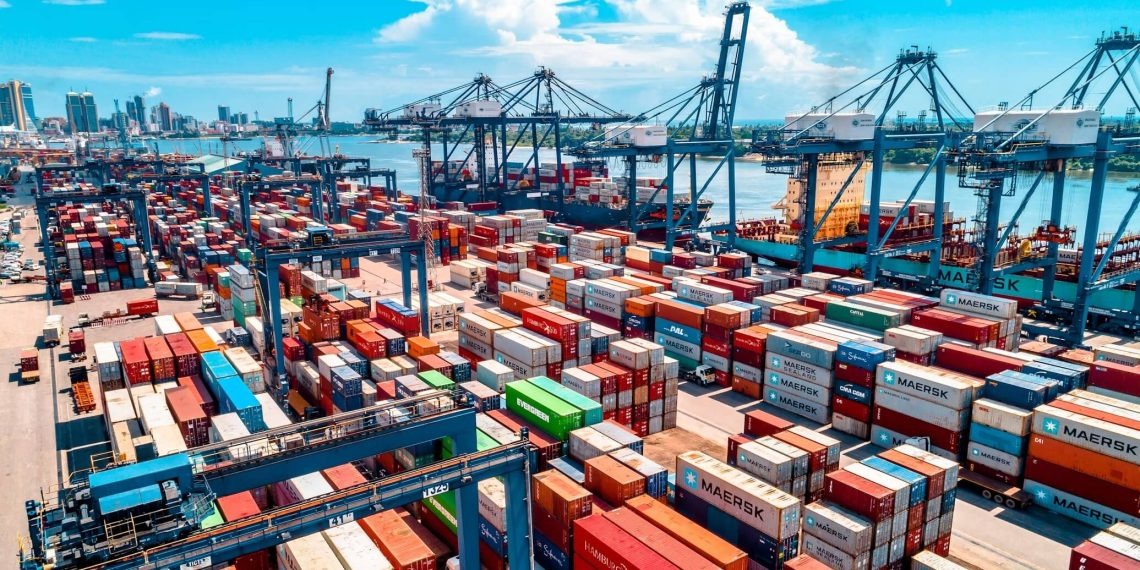
The Importers and Exporters Association of Ghana (IEAG) has demanded urgent discussions with the Minister for Transport. This demand follows reports that some shipping lines are charging above the regulated Container Administrative Charge (CAC) at Ghana’s ports. The IEAG states that the approved ceiling for this charge is GHS 720 per Twenty-Foot Equivalent Unit (TEU).
These alleged overcharges are significantly increasing the cost of doing business for Ghanaian traders. They also create uncertainty for both importers and exporters operating through the nation's vital maritime gateways. The situation risks undermining ongoing efforts to enhance the competitiveness of Ghana’s ports within the West African sub-region.
This dispute over port charges fits into a broader narrative of Ghana's efforts to streamline trade and improve its business environment. High operational costs at ports can deter investment and make Ghanaian goods less competitive internationally. Previous government initiatives have aimed at reducing bottlenecks and improving efficiency, making this current impasse a critical concern. The Ghana Shippers’ Authority has previously reinforced the GHS 720 ceiling, indicating a clear regulatory framework is already in place.
Samson Asaki Awingobit, President of the IEAG, expressed significant concern regarding the situation. He stated, “The IEAG is concerned that reports of some shipping lines continuing to impose charges above the approved ceiling have the potential to increase the cost of doing business at Ghana’s ports, create uncertainty for importers and exporters, and undermine ongoing efforts to make the country’s ports more competitive.” This statement highlights the economic impact of non-compliance.
The IEAG is urging the Transport Ministry to convene a meeting involving all key stakeholders. This includes the Ghana Shippers’ Authority, shipping lines, shipping agents, freight forwarders, importers, and exporters. Such a meeting aims to resolve the current dispute and ensure adherence to regulated charges. Failure to address these concerns could lead to higher consumer prices and reduced trade volumes. Decision-makers will closely watch the Ministry's response and the subsequent actions of shipping lines.
Beyond the immediate charge dispute, the IEAG also raised other critical issues affecting port operations. These include persistent container congestion at Tema Port, which causes delays and adds to operational costs. Security concerns within the port environment also remain a priority for the association. Disruptions to digital services, which are crucial for modern port logistics, further complicate trade processes. These issues collectively impact the efficiency and reliability of Ghana's trade infrastructure.
The association called for significant improvements in port infrastructure to support more efficient trade flows. They also advocated for stronger systems to ensure seamless operations. Despite these challenges, the IEAG reaffirmed its support for the Publican Artificial Intelligence Trade Solution. This system has reportedly improved customs valuation and revenue mobilisation. However, the IEAG also called for a stronger appeals process, an improved valuation database, and deeper stakeholder engagement to maximise the system's benefits. Addressing these multifaceted issues is crucial for Ghana's economic stability and growth.