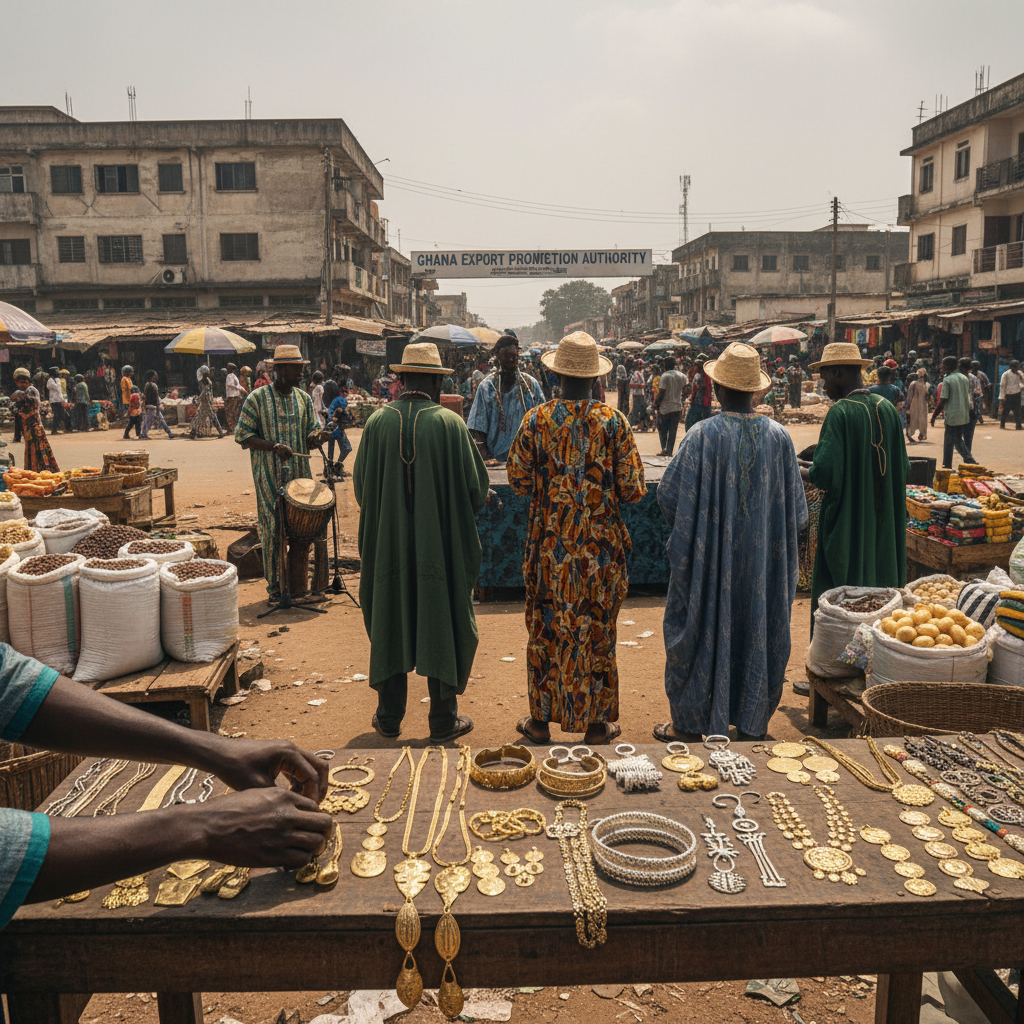
The Ghana Gold Board (GoldBod) has partnered with music icons Shatta Wale and Medikal to promote Made-in-Ghana jewellery. This collaboration aims to boost the national gold value-addition agenda. The musicians will prominently showcase locally crafted gold jewellery through their music, public appearances, and social media platforms.
This initiative seeks to strengthen Ghana's jewellery industry and create sustainable employment opportunities. The partnership also aims to position Ghana as Africa's leading hub for gold value addition. The artistes, Charles Nii Armah Mensah (Shatta Wale) and Samuel Adu Frimpong (Medikal), met with Mr. Sammy Gyamfi, GoldBod's Chief Executive Officer, to finalize the agreement. They pledged to promote Ghanaian-made gold jewellery on international stages, including ShattaFest UK.
This partnership aligns with Ghana’s broader economic strategy to maximize profits from its natural resources. Historically, Ghana has exported most of its gold, losing out on value addition. In 2025, GoldBod reportedly generated over GHS 140 billion ($10 billion) from gold exports, indicating significant potential for increased local processing. Previous GoldBod initiatives, such as purchasing 30% of large-scale miners' gold output and introducing new pricing regimes, underscore this focus on greater national control and economic benefit from gold.
Mr. Sammy Gyamfi, CEO of GoldBod, welcomed the collaboration. He described it as a significant step towards economic growth. Mr. Gyamfi stated that such partnerships demonstrate the power of promoting locally made products. He added that supporting Made-in-Ghana products creates jobs and builds a stronger national economy.
In the coming months, observers will watch how this partnership translates into tangible economic benefits for local artisans and the jewellery sector. Increased demand for Made-in-Ghana jewellery could lead to new investments and job creation in the extractive and manufacturing industries. This initiative highlights a growing trend of leveraging cultural influence to drive economic development and enhance Ghana's position in the global gold market. Success in this venture could encourage similar collaborations across other sectors.