Ghana’s 10 most visited tourist attractions recorded 1,377,588 visits in 2025. This figure represents about 77% of all tourism visits recorded during the year.
The Minister for Tourism, Culture and Creative Arts, Dzifa Abla Gomashie, disclosed these figures. Her assessment highlighted Ghana’s tourism performance. The data shows visitor activity is heavily concentrated among a small number of attractions. These sites are mainly in Accra, Kumasi, the Central Region, and the Eastern Region.
This concentration of visits underscores the importance of these specific sites to Ghana’s overall tourism economy. The tourism sector is a vital contributor to the nation's Gross Domestic Product (GDP), generating significant foreign exchange earnings and creating jobs. Understanding visitor patterns helps in strategic planning for resource allocation and infrastructure development. The sector's growth is crucial for Ghana's broader economic diversification efforts.
Minister Gomashie’s report provides valuable insights for stakeholders. It indicates where investments in infrastructure, marketing, and visitor management are most needed. These insights can help optimize the economic benefits derived from tourism. The government aims to boost both international and domestic tourism to achieve higher revenue targets.
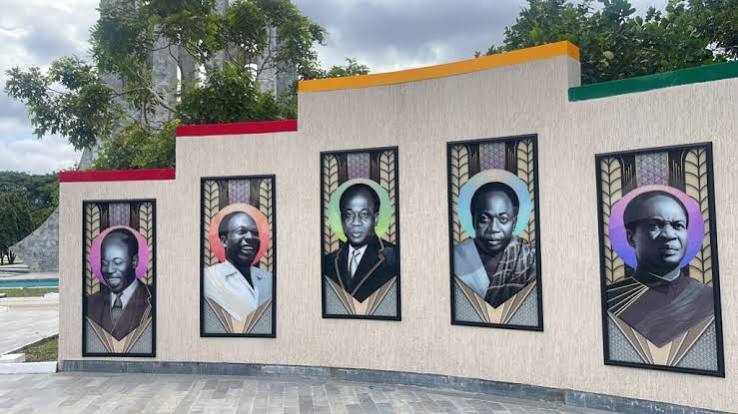
The Kwame Nkrumah Memorial Park emerged as the most visited attraction in the ranking. Kakum National Park followed in second place. Bonsu Arboretum/Eco Park secured the third position. Cape Coast Castle ranked fourth, with Manhyia Palace in fifth. Other popular sites included Kumasi Zoo, Accra Zoo, Elmina Castle, Shai Hills Resource Reserve, and Aburi Botanical Gardens.
The figures highlight the continued importance of Ghana’s heritage sites, wildlife attractions, botanical gardens, and recreational facilities. These sites are central to the country’s tourism industry. The strong performance of these attractions suggests a need for sustained investment in their preservation and enhancement. This will ensure their continued appeal to both local and international tourists.
Ghana recorded 1.3 million international tourist arrivals in 2025. This was an increase from more than 1.2 million in 2024. International tourism generated an estimated GHS 4.34 billion in revenue in 2025. Domestic tourism visits also increased by 7%, rising from 1.68 million in 2024 to 1.79 million in 2025. These figures demonstrate a positive trend in Ghana's tourism sector, indicating its resilience and potential for further growth. The growth in both international and domestic tourism contributes significantly to the national economy, supporting local businesses and employment.
The insights from this report will guide future policy decisions. They will also inform investment strategies for the Ministry of Tourism, Culture and Creative Arts. Decision-makers will likely focus on enhancing visitor experiences at these popular sites. They will also explore ways to promote lesser-known attractions. This balanced approach aims to distribute tourism benefits more widely across the country. It also seeks to manage visitor impact on popular sites effectively.