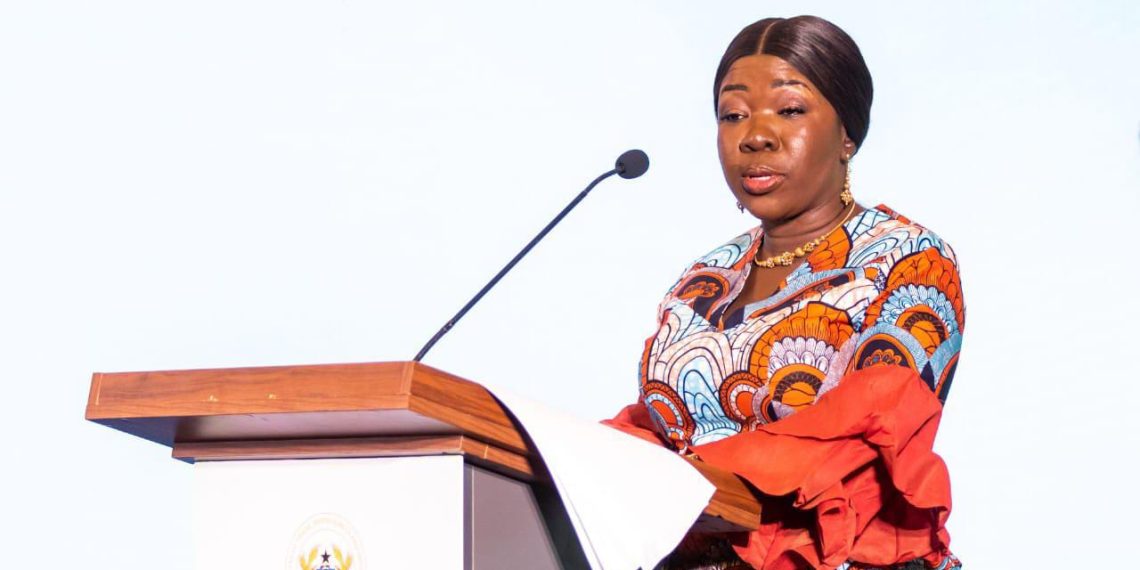
Ghana has reaffirmed its commitment to strengthening intra-African trade and advancing economic integration under the African Continental Free Trade Area (AfCFTA). Elizabeth Ofosu-Adjare, the Minister for Trade, Agribusiness and Industry, made this pledge. She met with Francisca Tatchoup Belobe, the African Union (AU) Commissioner for Economic Development, Trade, Tourism, Industry and Minerals.
The meeting focused on practical ways to increase trade among African countries. Commissioner Tatchoup Belobe praised Ghana's support for the AU’s continental integration agenda. She urged stronger political commitment to ensure existing trade policies benefit businesses and citizens. Intra-African trade has not yet reached its full potential despite established frameworks.
This commitment aligns with Ghana's broader economic strategy to shift investment towards production and export growth. The AfCFTA, headquartered in Accra, is crucial for Ghana's ambition to become a regional trade hub. Data from the African Union shows intra-African trade currently accounts for only about 15% of total African trade. This figure is significantly lower than other continents, highlighting the need for increased integration.
Commissioner Tatchoup Belobe noted challenges like payment systems and currency constraints limit cross-border commerce. She called for practical measures to remove these obstacles. She also highlighted efforts by institutions like Afreximbank to facilitate cross-border payments. The Commissioner sought Ghana’s views on strengthening such initiatives.
Ghana’s renewed focus on AfCFTA implementation signals a proactive approach to economic diversification. The government aims to reduce reliance on traditional commodity exports. Instead, it seeks to boost manufacturing and value-added goods. This strategy could create new jobs and increase foreign exchange earnings. It also positions Ghana as a leader in regional economic policy.
Minister Ofosu-Adjare stated Ghana is ready to work with the AU to promote economic integration. She identified non-tariff barriers as a major challenge for businesses trading across African borders. While tariffs can be factored into costs, non-tariff barriers create more complex issues. These barriers often hinder market entry for businesses.
Ghana has appointed a new coordinator for the AfCFTA national office. This coordinator will assess the country’s implementation of the agreement. They will also identify gaps and develop a clearer strategy for maximizing benefits. The government is preparing Ghanaian businesses for export markets. This includes training, capacity building, and other support programmes.
The Minister highlighted products like gari and garments as having potential in African markets. She stressed the need for stronger connections between Ghanaian producers and markets. Ofosu-Adjare also called for greater cooperation on standards and conformity assessment. This would make it easier for goods to move across borders. Ghana’s experience with international standards can contribute to mutual recognition efforts.
Ghana’s policies in pharmaceuticals, components manufacturing, textiles, and agribusiness can complement the AfCFTA Secretariat’s work. These sectors offer opportunities for increased continental trade. The country, as host of the AfCFTA Secretariat, remains committed to promoting the agreement’s objectives. This includes encouraging wider participation by African countries. The successful implementation of AfCFTA could unlock substantial economic growth for Ghana and the continent.