French customs authorities intercepted 3.9 metric tonnes of cocaine from Ghana, valued at €225 million. This significant drug bust occurred at the port of Dunkirk on September 10, 2026. The cocaine was hidden in a container of plastic waste.
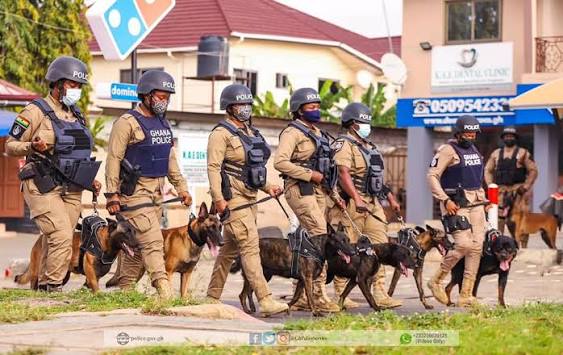
The seizure has prompted calls for stronger screening measures at Ghana’s ports. Alhaji Mohammed Kamal-Deen Abdulai, a New Patriotic Party (NPP) communicator, advocates for deploying sniffer dogs. He argues that human searches alone are insufficient to detect illicit substances.
This incident highlights ongoing challenges in Ghana's port security and trade integrity. The country serves as a transit point for various goods, making robust customs checks crucial. Previous reports have also raised concerns about the effectiveness of port surveillance.
Kamal-Deen Abdulai stated, “I would even say that we need sniffer dogs. Let's get the sniffer dogs.” He emphasized that intelligence available to Ghanaian authorities should have triggered closer scrutiny. He referenced information from the Bureau of National Investigations (BNI) indicating suspicious images related to the containers.
The failure to flag these suspicious containers raises serious questions about operational lapses. Decision-makers must now address these security gaps to protect Ghana's international trade reputation. Enhanced measures could prevent future high-value illicit shipments.
The estimated street value of the seized cocaine was €225 million. This substantial figure underscores the economic impact of drug trafficking. Such illicit trade can undermine legitimate economic activities and public finances.
Kamal-Deen Abdulai insisted that scanners must also form part of the checks. He believes stronger technology and additional detection methods are vital. These tools could identify suspicious cargo before it leaves Ghana.
The BNI reportedly wondered why the suspicious containers were not flagged domestically. This suggests a potential breakdown in communication or enforcement within the port system. Authorities should investigate these internal processes thoroughly.
Ghana's ports are critical gateways for its economy, handling vast volumes of imports and exports. Ensuring their integrity is paramount for investor confidence and national security. The government must act decisively to implement comprehensive security upgrades.
The incident also has implications for Ghana's international relations and trade partnerships. Countries receiving goods from Ghana expect high standards of security and compliance. Failure to meet these standards could lead to stricter inspections and trade barriers.
This event serves as a stark reminder of the persistent threat of organized crime. It necessitates a multi-faceted approach involving technology, trained personnel, and inter-agency cooperation. Ghana must proactively address these vulnerabilities to safeguard its borders and economy.