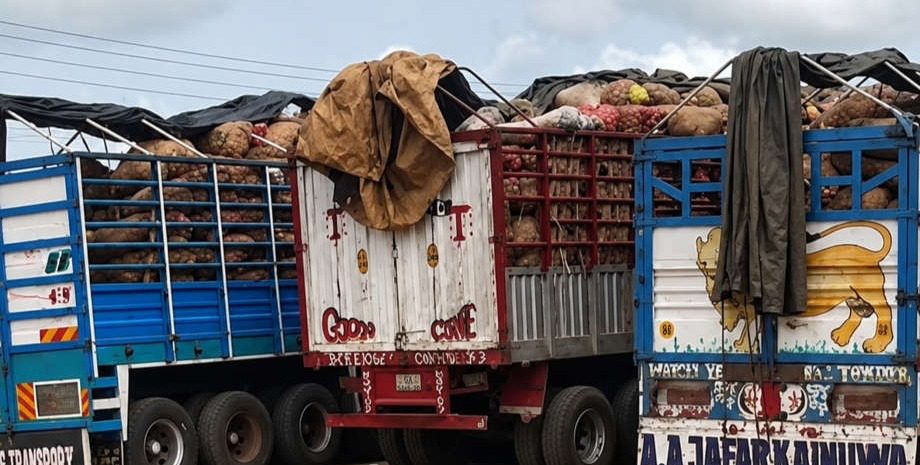
The flow of onions from Nigeria to Ghana has resumed following the resolution of a trade dispute. This dispute had disrupted supplies between the two neighbouring countries, causing uncertainty for traders.
The National Onion Producers and Marketers Association of Nigeria had suspended onion exports to Ghana. This suspension created significant challenges for those involved in the cross-border trade. The situation was addressed after Ghanaian and Nigerian stakeholders met in Accra on Wednesday, August 12, 2026.
This trade disruption had broader implications for regional economic integration within the Economic Community of West African States (ECOWAS). Stable trade relations between Ghana and Nigeria are crucial for the movement of agricultural goods. Previous instances of trade friction have highlighted the fragility of these supply chains. The current resolution prevents a prolonged disruption that could have affected farmers, traders, transport operators, and consumers in both countries.
Ghana’s Minister for Trade, Agribusiness and Industry, Elizabeth Ofosu-Adjare, facilitated the crucial meeting. She urged stakeholders from both countries to resolve their differences. The Minister stressed the importance of maintaining stable trade relations. This stability is vital, especially within the framework of ECOWAS economic cooperation. Her intervention proved instrumental in breaking the deadlock.
The immediate implication is the restoration of a vital food supply chain. Consumers can expect a steady supply of onions, and prices should stabilize. Decision-makers will now focus on mechanisms to prevent future disruptions. The resolution also reinforces the commitment to regional trade agreements. This outcome is a positive signal for cross-border commerce.
Following the engagement, the suspension on onion exports to Ghana was officially lifted. This allowed Nigerian suppliers to resume shipments to the Ghanaian market without further delay. The Public Relations Officer of the Accra Onion Sellers and Importers Cooperative Society, Osman Mohammed, confirmed the immediate impact. He stated that all four Ghanaian trucks carrying onions from Nigeria, which had been held up, were released on Thursday, August 13. This swift action demonstrated the effectiveness of the resolution.
Mr. Mohammed also disclosed that Nigerian trucks already in Ghana had completed offloading their onion consignments. These consignments were distributed at various markets across the country. This rapid distribution helped to quickly replenish market stocks. The dispute had involved traders and cross-border operators on both sides. It underscored the critical importance of uninterrupted movement of agricultural goods between the two countries. Such goods are essential for food security and economic stability.
The Accra Onion Sellers and Importers Cooperative Society welcomed the resolution. The Cross Border Women Traders Association also expressed their satisfaction. Both organizations voiced hope that this latest intervention would provide a lasting solution to trade disputes. They emphasized that continued dialogue between Ghanaian and Nigerian stakeholders would be important. This ongoing communication is key to preventing similar disruptions. It also ensures the smooth movement of agricultural products across the ECOWAS region. This collaborative approach is vital for long-term trade stability.
The incident highlights the need for robust dispute resolution mechanisms within regional trade blocs. While this specific issue was resolved quickly, future challenges may arise. Both governments must work to formalize processes for addressing trade grievances. This will protect the livelihoods of countless individuals. It will also safeguard food security for millions of citizens. The successful resolution serves as a model for future cooperation. It demonstrates that dialogue can overcome significant trade barriers.