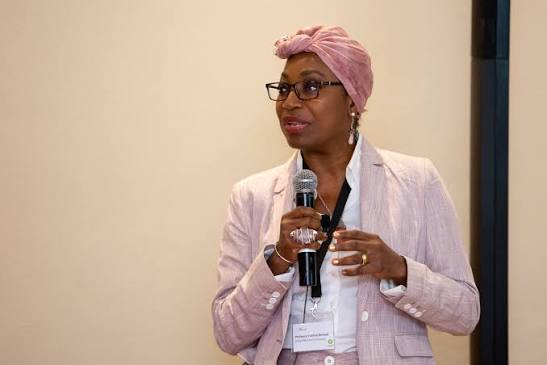
Professor Fatima Denton, Director of the United Nations University Institute for Natural Resources in Africa (UNU-INRA), has urged African countries to use their natural resources for job creation and industrialisation. This call emphasises a critical shift from merely exporting raw materials to building local industries and adding value.
Professor Denton stated that nations must move beyond exporting raw materials. They should instead use their resource wealth to promote local value addition. This approach aims to build industries and drive long-term economic transformation across the continent. She highlighted that natural resource management must connect with employment, technology, investment, and broader structural changes.
This perspective fits into Ghana's ongoing economic narrative, which seeks to diversify its economy beyond primary commodity exports. Ghana, a significant gold and cocoa producer, has historically struggled to maximise local benefits from its resource wealth. The country's economic development plans often include strategies for industrialisation and value addition, aligning with Professor Denton's recommendations. For example, the government's 'One District, One Factory' initiative aims to boost local manufacturing and job creation.
Professor Denton told the Ghana News Agency (GNA) that countries must think more holistically about their natural resources. She stated, “The first lesson is to think more holistically about our natural resources. Think in terms of jobs and think in terms of the structural transformation plan behind those resources.” This statement underscores the need for a comprehensive national strategy.
Ghana must now focus on developing skills across the entire resource value chain. This includes exploration, extraction, processing, and downstream manufacturing. Such development would reduce reliance on foreign expertise, which currently dominates specialised mining activities. It would also create more quality jobs for young people entering the labour market. This strategic shift is crucial for Ghana to gain true control over its resource endowments. Without local investment in technology and human capital, Ghana risks owning resources without controlling their economic benefits. The global demand for critical minerals for green energy also presents a significant opportunity for Ghana to attract investment and develop green industries.
Professor Denton cautioned that abundant mineral deposits alone do not guarantee economic control or development benefits. She noted that many specialised skills for mineral extraction and processing are still sourced from outside Africa. This situation highlights a vulnerability for countries like Ghana. Developing local expertise would not only reduce this reliance but also create more quality jobs. These jobs must be decent and attractive to young people. This approach would ensure that Ghana maximises job creation from its natural resources. It would also foster sustainable economic growth and reduce external dependencies.