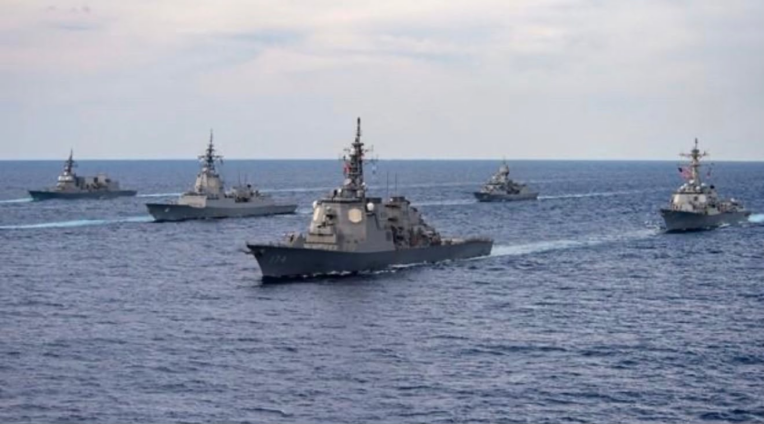
Ghana and its international partners are intensifying efforts to secure vital sea lanes, which underpin over 80% of global trade by volume. Naval cooperation and advanced technology are becoming essential tools to protect these critical maritime routes from growing threats. This strategic focus ensures the smooth flow of goods and energy supplies crucial for global economic stability.
The increasing geopolitical competition extending into the world’s oceans makes naval partnerships indispensable. These collaborations protect freedom of navigation and address emerging challenges across the maritime domain. Secure shipping routes are not just about trade; they are fundamental to economic prosperity and international stability for nations like Ghana.
This emphasis on maritime security fits into Ghana's broader economic strategy, which relies heavily on international trade and regional stability. Ghana, as a coastal nation, is directly affected by disruptions in sea lanes, which can impact its imports, exports, and overall economic growth. Protecting these routes also safeguards Ghana's oil and gas interests and its fishing industry, both vital to the national economy.
Experts highlight that no single nation can effectively manage the vast and complex challenges of maritime security alone. Multinational exercises, such as NATO’s Dynamic Mariner and BALTOPS, demonstrate the importance of allied naval cooperation. These joint operations improve interoperability, strengthen operational readiness, and enhance the ability to manage complex situations at sea, building confidence among partner nations.
The implications for Ghana are significant. Continued investment in its naval capabilities and active participation in regional and international maritime security initiatives will be crucial. Decision-makers must prioritize funding for modern naval assets and training to combat threats like piracy, illegal fishing, and maritime terrorism. The stability of Ghana’s maritime domain directly influences investor confidence and the nation’s economic outlook.
Today’s maritime challenges extend beyond traditional naval defense, encompassing piracy, illegal fishing, and transnational organized crime. Threats to critical undersea infrastructure also strain the resilience of coastal states and the international community. These issues directly impact Ghana’s economic well-being and require a robust, coordinated response.
Protecting strategic sea lanes and maritime chokepoints has become increasingly important due to closely interconnected global supply chains. Disruptions in these areas can have ripple effects, leading to higher shipping costs and delays that affect consumers and businesses in Ghana. Therefore, maintaining secure sea routes is a direct economic imperative.
Technological innovation is reshaping naval operations, offering new tools for enhanced security. Satellite surveillance, unmanned maritime systems, artificial intelligence, and advanced sensors provide greater situational awareness. These capabilities enable naval forces to monitor vast maritime areas more efficiently and support coordinated operations among allied partners, making Ghana’s waters safer.
In a changing international order, effective maritime governance depends on trusted partnerships, continuous innovation, and sustained collaboration. By strengthening naval cooperation and investing in modern capabilities, Ghana can safeguard its vital sea lanes. This commitment helps uphold freedom of navigation and ensures a stable, secure, and resilient maritime domain for the nation and the wider West African region.
Ghana’s active participation in regional security frameworks, such as the Yaoundé Code of Conduct, further underscores its commitment to maritime safety. This collaboration helps to share intelligence and coordinate responses to threats, enhancing collective preparedness. The nation’s economic future is inextricably linked to the security of its maritime borders and trade routes.