Ghana is repositioning its diplomatic missions abroad as active investment and trade platforms. This strategic shift aims to connect domestic businesses with international capital, markets, and commercial partners. The government seeks to build the export demand necessary to sustain its 24-hour economy programme.
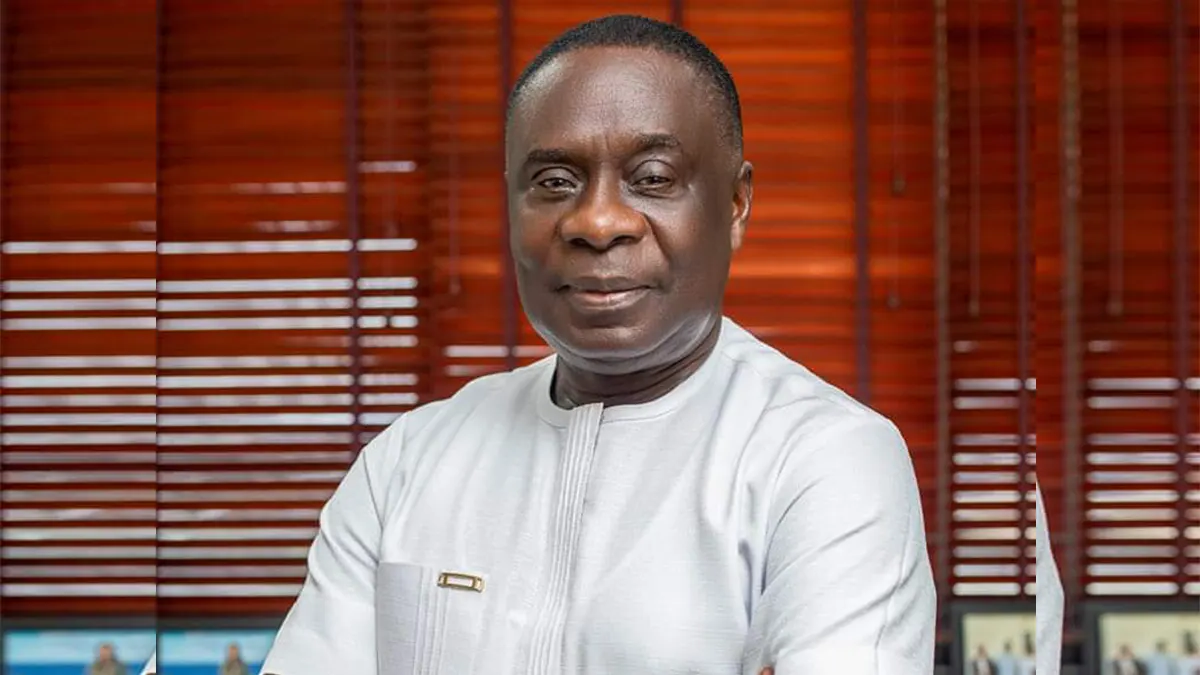
Deputy Minister for Foreign Affairs, James Gyakye Quayson, stated that economic diplomacy has become a central priority for the ministry. Investment desks are being established across Ghana’s missions to identify opportunities and promote Ghanaian companies. These desks will also connect investors with relevant institutions in Ghana.
This new strategy directly addresses a fundamental question surrounding the 24-hour economy initiative. Businesses cannot sustainably operate additional shifts simply because the government encourages them to stay open longer. Factories need customers, exporters need markets, and companies require investment. This is crucial if additional operating hours are to translate into higher production rather than just increased electricity, labour, and security costs.
Mr. Gyakye Quayson spoke on behalf of Foreign Affairs Minister Samuel Okudzeto Ablakwa at an International Chamber of Commerce Ghana CEO Breakfast Meeting. The meeting focused on "Networking for Ghana within a 24-Hour Economy." He stressed that government can create the regulatory and policy environment. However, innovation, entrepreneurship, and investments must be driven substantially by the private sector.
This makes economic diplomacy potentially more impactful than conventional diplomatic promotion. If Ghanaian factories are to add production shifts and agro-processors expand output, foreign missions must help create external demand. This demand will make the additional capacity commercially viable. The Deputy Minister confirmed that Ghana’s missions are working to widen access for domestic products. This includes both traditional and emerging markets, with a particular focus on the African Continental Free Trade Area (AfCFTA).
The objective is to establish "Made in Ghana" as a trusted and competitive brand across African markets. This ambition shifts part of the responsibility for export development from Accra-based institutions to Ghana’s diplomatic network overseas. Embassies and high commissions will increasingly function as commercial connectors. They will identify buyers, facilitate business missions, and help Ghanaian enterprises navigate foreign markets.
Mr. Gyakye Quayson noted that the Ministry of Foreign Affairs is already facilitating bilateral and multilateral engagements. These include investment missions, business forums, and high-level meetings with governments, investors, and commercial communities. These interventions aim to attract foreign direct investment, promote Ghanaian exports, and position domestic companies within global value chains.
The wider economic logic is significant for Ghana's development. The 24-hour economy will struggle to achieve its full potential if expanded production is directed almost exclusively towards domestic consumption. This is especially true in sectors where the local market may not be large enough to absorb additional output. Export markets therefore become a critical component of the policy.
A manufacturer operating three shifts instead of one needs significantly more demand. Access to consumers across Africa, Europe, Asia, and North America can provide a larger commercial base. This larger base makes additional investment rational. The Deputy Minister also highlighted preferential market access available to Ghanaian firms in the European Union, United States, United Kingdom, and China. He mentioned that China operationalised a zero-tariff regime for Ghanaian products this year. This presents another potential opening for companies capable of meeting the scale, standards, and consistency demanded by international buyers.