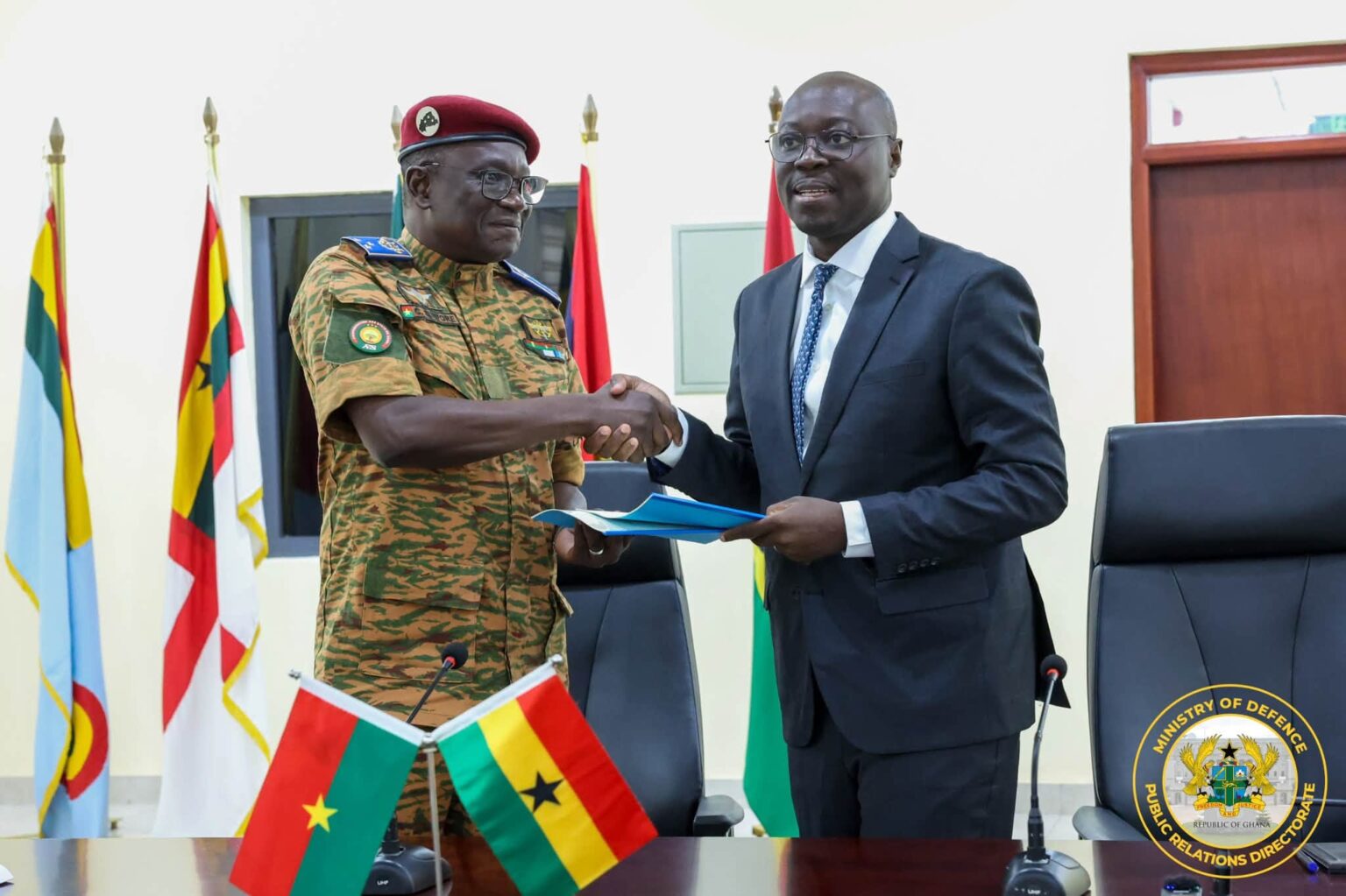
Ghana and Burkina Faso have significantly deepened their security cooperation around their shared border and strategic trade routes. This action directly addresses the growing recognition that violent extremism spreading across the Sahel poses a serious threat to commerce, food supply chains, and regional integration.
This latest effort builds upon a broader package of bilateral agreements established earlier this year. These agreements cover critical areas such as transport and road transit, cross-border cooperation, border administration, disaster response, and measures against illicit trafficking. The two countries have also committed to developing a joint security framework, which will focus on enhanced intelligence sharing, improved border surveillance, and stronger coordination against terrorism and violent extremism.
The economic rationale for this intensified security focus is becoming increasingly clear and inseparable from the security imperative. Ghana depends on transport corridors through Burkina Faso for a significant amount of both informal and formal trade, particularly for agricultural produce. Conversely, northern Ghana serves as an important gateway connecting the country’s ports with the landlocked Sahel region. This vital relationship was starkly highlighted in February when Ghanaian tomato traders traveling in northern Burkina Faso were attacked by militants near Titao. Ghana’s Trade Ministry later confirmed that eight Ghanaian citizens were killed in this incident, underscoring how insecurity along regional corridors directly threatens the people and businesses sustaining cross-border food trade.
A previous analysis by The Vaultz News, following the Titao attack, warned that trade arrangements alone do not guarantee the security of traders in volatile areas. It called for stronger intelligence sharing, border protection, and interstate coordination. This distinction has significant consequences for Ghana, which imports substantial quantities of tomatoes, onions, and other agricultural produce from Burkina Faso. Disruptions along these northern corridors can quickly escalate into domestic food-security and inflation issues. When traders withdraw from dangerous routes, supply can tighten, and transporters may demand higher compensation for risk, insurance, and security. This can potentially increase the cost of goods before they reach markets in Kumasi, Accra, and other urban centers.
Burkina Faso’s temporary restriction on fresh tomato exports earlier this year illustrated Ghana's dependence on regional supply chains. Ghana welcomed the subsequent lifting of this restriction, noting that the decision would ease tomato flows and help stabilize domestic availability. Violent extremism adds another layer of vulnerability because it can interrupt these same flows without any formal trade restriction. A road may remain legally open but become commercially unusable if traders conclude that traveling through it is too dangerous.
The Ghana-Burkina security relationship therefore has implications far beyond military cooperation. If intelligence sharing and coordinated surveillance can make commercial routes safer, the benefits could include lower transport risk, greater confidence among traders, and more predictable agricultural supply. This would also significantly impact Ghana’s broader ambitions under the African Continental Free Trade Area. A country positioning itself as a commercial gateway to West Africa cannot rely solely on efficient ports and customs systems if the inland corridors connecting those facilities to Sahelian markets remain insecure. President John Dramani Mahama has already described the Upper West Region as strategically important due to its location as a gateway to Burkina Faso and the wider Sahel, linking infrastructure improvements there to cross-border trade and regional economic opportunities. The government’s wider road strategy similarly identifies routes towards Burkina Faso as economically important national corridors. Plans include improvements to the Wa-Hamile connection and other northern links designed to strengthen movement between Ghana’s ports and the Sahelian hinterland.