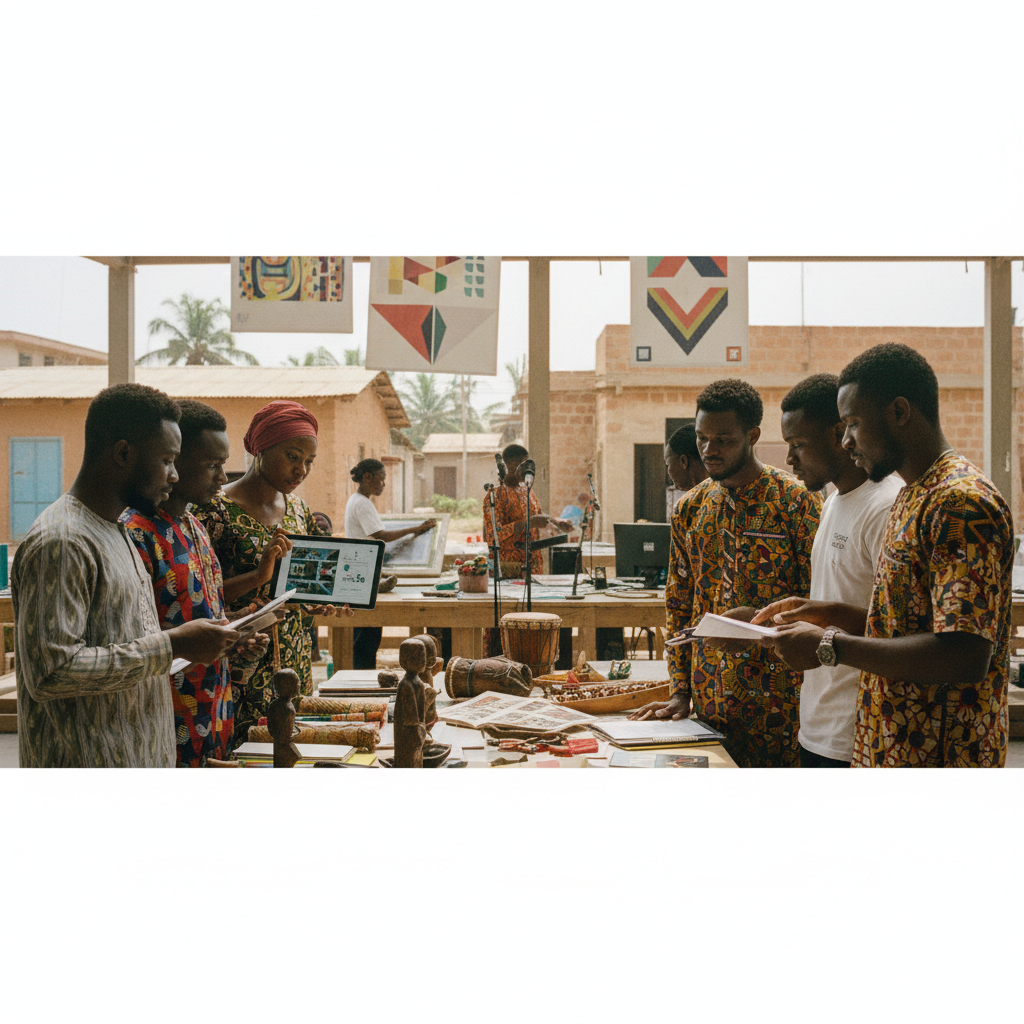
Ghana’s Deputy Minister of Trade, Agribusiness and Industry, Sampson Ahi, has highlighted the critical need to improve legal and institutional understanding of intellectual property in the creative and manufacturing sectors. This push aims to protect originality and innovation as Ghana's creative industries expand globally. The initiative underpins the nation’s strategy to bolster its economic standing in Africa's rapidly growing cultural economy.
Mr. Ahi stressed this point at a recent workshop in Accra titled 'Who Owns Your Work?'. This event, organized by Fashion Forum Africa, served as a precursor to the Alternative Fashion Fabric Fair (Alt.FFF) 2026. The increasing global recognition of Africa’s fashion and textile industry makes the protection of local value creation essential. The workshop brought together key stakeholders from government, industry, and academia to discuss ownership and value protection.
This drive aligns with Ghana's broader economic goal of diversifying its economy and boosting non-traditional exports, including creative goods. Protecting intellectual property rights (IPR) is crucial for creators to benefit financially from their work. The absence of robust IPR frameworks can lead to significant revenue loss and discourage innovation. Ghana’s creative economy, including music, arts, and fashion, contributes substantially to employment and GDP, making IPR protection a vital economic safeguard.
Dr. Benjamin Oduro Arhin Jnr, an intellectual property consultant also known as BNOSKKA, presented at the workshop. He highlighted the importance of developing stronger systems to protect African creativity. Ms. Makeba Boateng, Founder of Fashion Forum Africa, noted that discussions must move beyond just aesthetics to include ownership and production systems. Ms. Edwina Assan, Sector Chair for Garment, Textile and Leather at the Association of Ghana Industries (AGI), added that education on intellectual property rights is vital for sustainable growth.
Strengthening intellectual property safeguards could attract more investment into Ghana’s creative industries. It will also help creators and innovators secure fair compensation for their work. The upcoming Alternative Fashion Fabric Fair (Alt.FFF), scheduled for September 17 to 19 in Accra, will further promote collaboration. This fair seeks to enhance visibility and market access for African-made materials and products. Better intellectual property protection will support Ghana in becoming a key player in the continental textile and creative economy.
The move signifies Ghana’s recognition of the economic power of its cultural and creative assets. It reflects a strategic positioning for increased competitiveness in global markets. Policymakers and industry leaders will monitor the implementation of these enhanced protections. This will ensure that Ghana’s vibrant creative sector can thrive and contribute maximally to national development.