Ghana's automotive industry seeks VAT exemption restoration
Industry leaders call for renewed fiscal incentives and stronger demand stimulation to transition from vehicle assembly to full manufacturing, citing unfulfilled policy objectives.
Kwame Kusi | StatsGH |
2 min read3 min listen
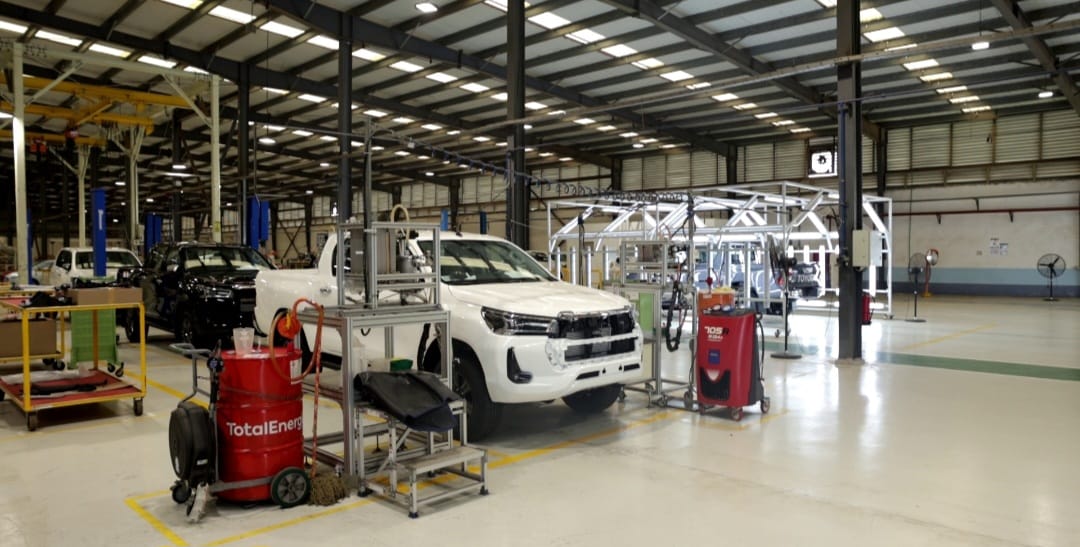
The government introduced the Ghana Automotive Development Policy in 2019. Its goal was to attract global manufacturers and establish Ghana as an automotive production hub. The policy has successfully drawn investments from six major international vehicle brands. It has also led to the creation of seven assembly plants in the country. However, industry players noted that several long-term objectives remain unmet.
Ghana's automotive sector plays a strategic role in the nation’s industrialisation agenda. Local assembly plants receive incentives to produce vehicles within the country. These efforts support job creation and technology transfer. However, strong competition from imported used vehicles continues to challenge the growth of local production. This situation underscores the need for continuous policy adjustments to support the domestic industry.
Jeffrey Oppong Peprah, CEO of Volkswagen Ghana, highlighted the impact of past incentives. He stated, “We were able to sell a brand-new vehicle [locally assembled] at a price of an imported used car which is seven years.” This suggests VAT exemptions made locally assembled vehicles highly competitive. He explained that consumers enjoyed these competitive prices due to the VAT relief. The government is now considering restoring a 20 percent VAT exemption on locally assembled vehicles.
The next steps for Ghana's automotive industry involve policy implementation and market response. The government's decision on VAT exemptions will significantly impact vehicle prices and consumer choices. Industry leaders will closely monitor these developments for their effect on local production volumes. This includes how the market will respond to potential price adjustments.
Stimulating demand for locally assembled vehicles is another crucial area. Panelists at the discussion advocated for stricter enforcement of local content requirements in public sector procurement. Professor Ebo Turkson, an economist at the University of Ghana, stated, “government should enforce that no state agency should import any car if they don’t buy the cars from the local.” This policy would provide immediate volume for local assemblers. Increased volume helps plants achieve economies of scale, reducing unit costs and making vehicles more affordable.
Expanding access to vehicle financing is also vital. Asset-backed lending schemes can enable more Ghanaians to purchase new vehicles. This would further boost demand for locally assembled cars. Professor Turkson emphasized engaging the financial sector. He believes that proper financing options will encourage Ghanaians to choose locally made cars.
Beyond assembly, stakeholders stressed the need to deepen local value addition. This involves the manufacturing of automotive components within Ghana. Kwasi Ofori-Antwi, from the Ministry of Trade, Agribusiness and Industry, revealed a proposed Ghana Automotive Component Manufacturing Policy. This policy is currently before Cabinet for consideration. It aims to develop a robust domestic automotive supply chain. This initiative seeks to integrate Ghana's informal manufacturing sector, including artisans and spare parts manufacturers, into the formal automotive industry. This would create strong linkages and enhance local content.