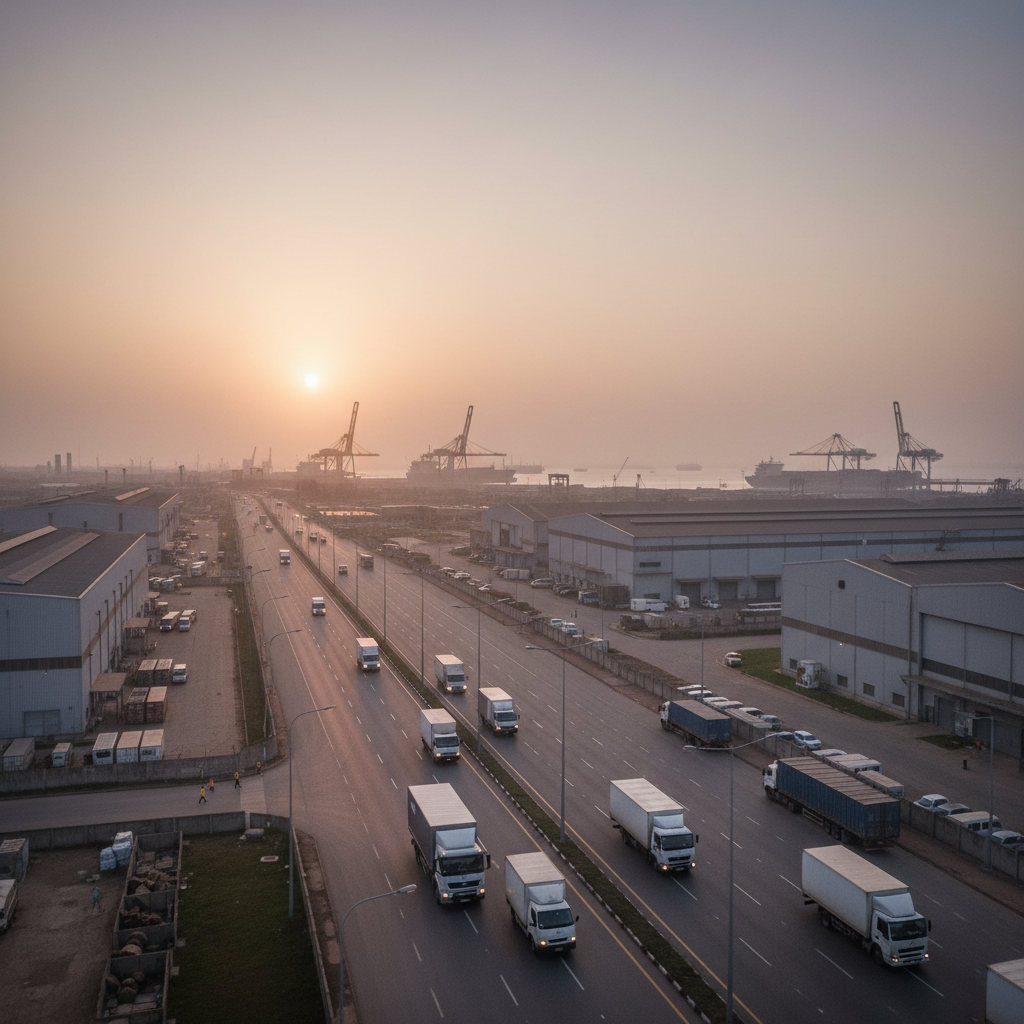
The Chief Executive Officer (CEO) of the Ghana Free Zones Authority (GFZA) reaffirmed the agency's commitment to Ghana's 24-hour economy policy. This initiative seeks to transform the country into a preferred destination for export-led industrial growth and bolster trade competitiveness.
The GFZA will collaborate closely with government, investors, and development partners to achieve these objectives. This concerted effort intends to create a more dynamic and attractive investment climate within Ghana's free zones. The policy aims to enhance productivity and generate more employment opportunities across various sectors.
This steadfast commitment aligns with Ghana's broader economic diversification and industrialization agenda. Previous government policies, including 'One District, One Factory' (1D1F), also focused on industrial expansion. Ghana's economy has historically relied on commodity exports, making industrial growth crucial for stability. Data from the Ghana Statistical Service shows industrial sector growth as a key driver for overall economic expansion in recent years.
The CEO of GFZA, Mrs. Mike Oquaye Jnr., emphasized the Authority's dedication. She stated that the GFZA would continue to work with stakeholders to attract new investments. These investments are vital for the success of the 24-hour economy framework.
The success of the 24-hour economy policy will depend on sustained investment and effective policy implementation. Businesses considering expansion or new ventures in Ghana will monitor the tangible benefits and infrastructure development. Policy makers will need to ensure a stable regulatory environment to attract and retain significant capital.
The 24-hour economy framework aims to optimize the use of existing industrial infrastructure and human resources. Extended operational hours could lead to increased production capacity and faster turnaround times for goods. This could significantly improve Ghana's competitiveness in regional and international markets. The policy offers potential for job creation beyond traditional daytime work hours. This could absorb more of Ghana's youthful population into formal employment. Improved logistical services and security measures will also be crucial for businesses operating round-the-clock.
The strategic focus on export-led growth is intended to generate foreign exchange earnings for Ghana. Increased exports can help stabilize the Ghana cedi (GHS) against major international currencies. This also reduces the country's reliance on imports, strengthening domestic industries. Attracting more foreign direct investment (FDI) into the Free Zones is a primary goal. The GFZA aims to streamline processes for investors to encourage greater participation in these zones. These zones offer incentives like tax holidays and exemptions from some duties. These benefits are designed to make Ghana an attractive place for businesses that produce goods for export. This comprehensive approach is central to achieving the ambitious goals of the 24-hour economy policy.