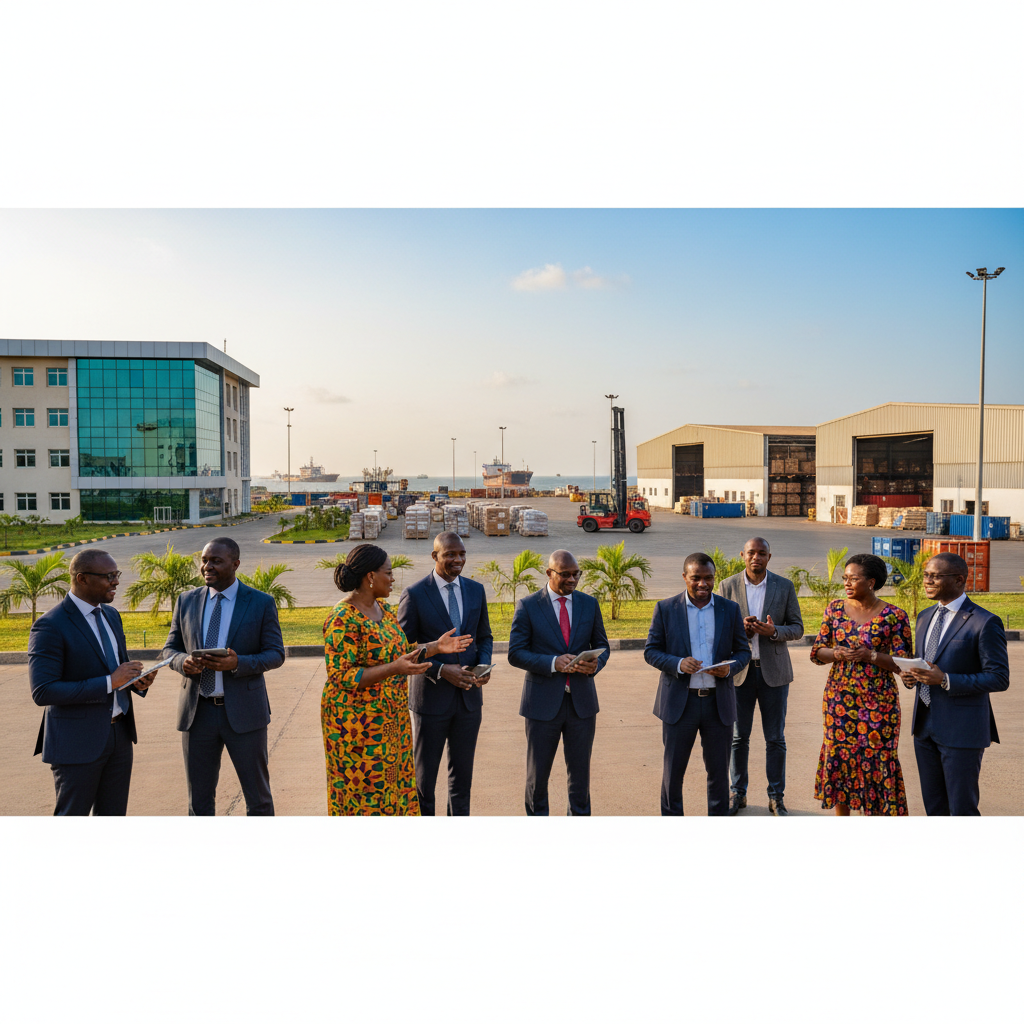
The Ghana Free Zones Authority (GFZA) has received commendation for its substantial role in attracting investment, boosting exports, and generating employment opportunities. Michael Okyere Baafi, the Ranking Member of Parliament's Trade, Industry, and Tourism Committee, reported this success on June 10, 2026.
Mr. Baafi, a former Chief Executive Officer of the GFZA, urged the authority's management to initiate a review of the Free Zones Act. This review is critical to ensure the Act remains relevant amid evolving global trade dynamics. Updating the legislation will also better serve the needs of investors and exporters within Ghana's economic landscape.
This call for legislative review aligns with Ghana's broader economic strategy to enhance its industrial base and export competitiveness. The Free Zones Programme is a key mechanism for attracting foreign direct investment (FDI). Stronger regulations and international partnerships could further solidify Ghana's position as a regional investment hub. Ghana's government has consistently expressed its commitment to industrialisation as a pathway to sustainable growth.
Mr. Baafi emphasized the need for continuous engagement between the GFZA and the Parliamentary Select Committee on Trade, Industry, and Tourism. He assured the Authority of the Committee's dedication to supporting measures that strengthen the Free Zones Programme. This legislative support is vital for increasing the programme's national development impact.
The push for legislative reform directly impacts Ghana's trade balance and job creation figures. A more responsive Act can streamline processes for businesses operating in free zones, potentially increasing export revenues and expanding the workforce. Greater collaboration with international bodies like Afreximbank can unlock significant financial and infrastructural opportunities.
Mr. Baafi also called for enhanced collaboration between the GFZA and key international development and financing institutions. Specifically, he mentioned Afreximbank and other global partners focused on trade, industrialisation, and economic development. These strategic partnerships are expected to facilitate infrastructure expansion and mobilise further investment into Ghana's Free Zones ecosystem.
Such partnerships could also improve access to financing for businesses operating within the free zones. This would directly support the continued growth of Ghana's industrial sector. The GFZA's ability to attract and retain businesses hinges on a supportive regulatory environment and robust international financial backing.
The visit by the Parliamentary Committee confirmed a shared commitment from both Parliament and the GFZA to advance industrialisation. It aims to improve export competitiveness and promote sustainable economic growth. A more robust and responsive Free Zones Programme is central to these objectives, highlighting the importance of legislative reforms.
Stakeholder collaboration and international partnerships are fundamental to strengthening Ghana's appeal as an investment and export destination in Africa. Policymakers and market observers will closely watch the progress of this proposed legislative review. The outcome will influence investor confidence and Ghana's economic trajectory in the coming years.