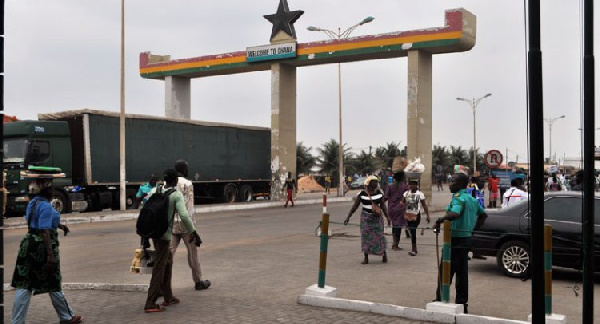
A recent study reveals that 58.2 percent of West African immigrant retailers entered Ghana through unapproved border routes. This significant finding highlights systemic issues at official entry points. Extortion, lack of travel documents, and financial difficulties are primary factors influencing these choices.
The study, conducted by Professor Elijah Yendaw from the University of Business and Integrated Development Studies (UBIDS), sampled 779 West African itinerant immigrant retailers. It found that 41.8 percent of respondents used approved routes. All respondents traveled by land, with 71.9 percent using vehicles and 28.1 percent traveling by foot. This research underscores the urgent need for Ghana to rethink its border management strategies.
This situation fits into Ghana's broader economic and security narrative, particularly concerning regional trade and migration within ECOWAS. Ghana aims to facilitate free movement of goods and people, but these findings suggest existing barriers hinder this goal. The reliance on unapproved routes can also pose security risks and make it harder to track economic activity. Previous efforts to formalize cross-border trade have faced similar challenges, often due to informal practices.
Professor Yendaw's policy brief, titled “Free Movement, Unapproved Routes,” emphasizes the need for comprehensive reform. It states, “Approved borders should be made easier to understand, safer to use, more accountable and more attractive than unapproved alternatives.” This direct call to action highlights the current deficiencies in border governance. The brief also noted that 98.4 percent of respondents with travel documents used approved entry points, while all those lacking documents used unapproved routes.
The implications are substantial for Ghana's economy and regional integration efforts. The study recommends six policy actions to address these issues. These include making approved routes simpler to use and expanding access to documentation and pre-travel information. Creating credible anti-extortion and complaint mechanisms is also crucial. Decision-makers must consider these recommendations to improve border efficiency and reduce illicit activities. Markets will respond positively to more predictable and transparent trade routes.
The research also pointed out that high costs of regular travel make unapproved alternatives attractive. Specifically, 95.8 percent of respondents facing financial difficulties resorted to unapproved routes. This suggests that economic pressures play a major role in route selection. Allegations of harassment and demands for informal payments at official crossing points further deter legitimate travelers. These reports, while not independently verified prevalence estimates, indicate a significant problem.
Better border governance, rather than just more control, is the recommended policy response. This involves targeting surveillance using corridor-specific evidence and building reliable databases on mobile immigrant traders. Engaging migrant associations and border communities as governance partners is also proposed. These measures aim to foster trust and cooperation, leading to more orderly migration patterns. The current system inadvertently encourages informal and potentially unsafe crossings.
The report further recommends that migrants receive clear information on required documents and legitimate charges. Information on expected processing times and where to seek assistance at border points is also vital. Disseminating this information through consulates, transport unions, and immigrant associations is key. Such communication should utilize commonly used regional languages and accessible channels like radio and community leaders. This proactive approach can empower traders and reduce reliance on informal networks.
Treating border communities as partners in orderly migration is another critical recommendation. This approach moves beyond viewing them merely as surveillance zones. Partnering with these communities can enable better route mapping and information campaigns. It can also help in identifying emerging movement patterns more effectively. Ultimately, a reformed border system will support Ghana's economic growth and strengthen its position within the ECOWAS region.