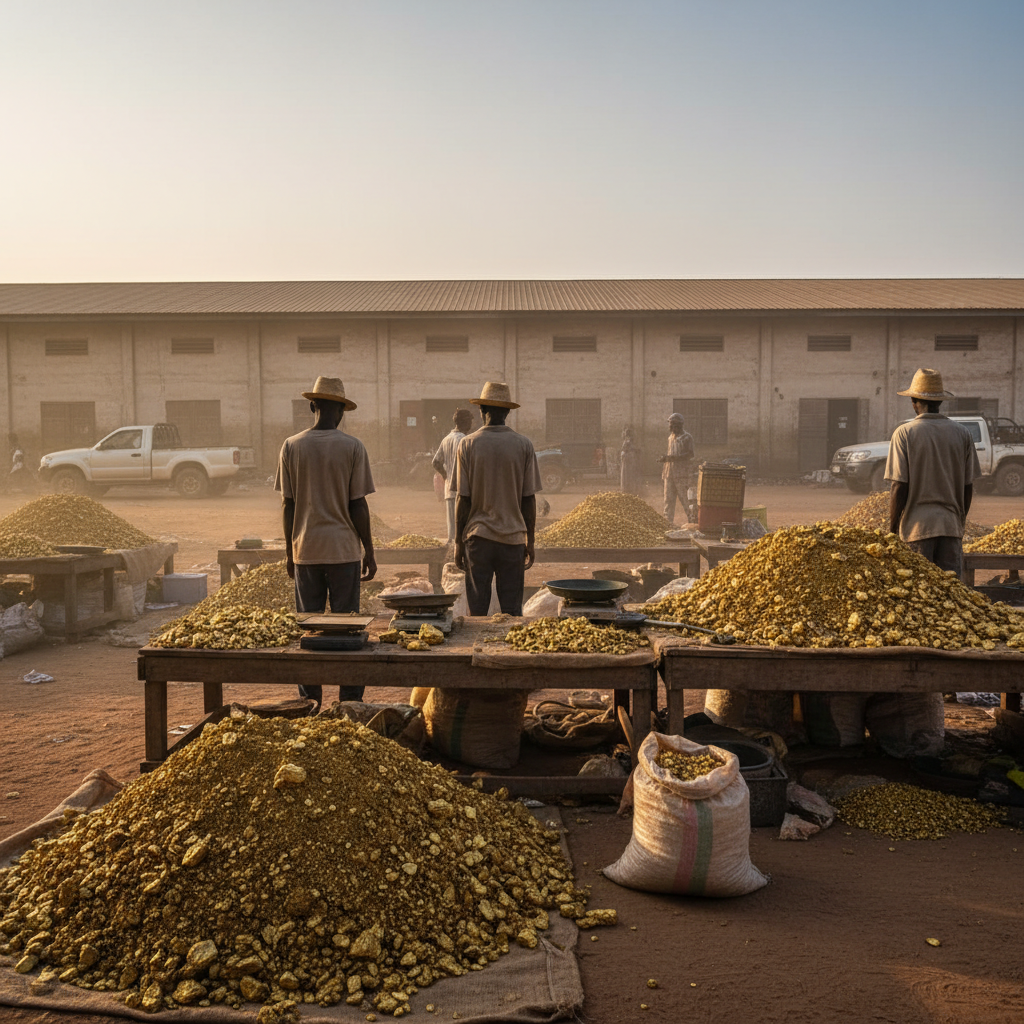
The European Union has imposed a ban on the purchase, import, or transfer of gold originating from Sudan. This action aims to disrupt the financing of the military conflict in Sudan.
This new restriction, announced by the Council of the European Union, also prohibits the sale, supply, transfer, or export of mercury and cyanide to Sudan. These chemicals are critical for gold extraction. The EU believes the gold trade directly funds the conflict between the Sudanese army and the paramilitary Rapid Support Forces, which began more than three years ago.
Ghana, a significant gold producer in Africa, follows global trends in mineral trade and regulation. These EU sanctions highlight the increasing international scrutiny on the source of precious metals. The EU’s decision could indirectly affect the broader African gold market. It emphasizes the need for transparent supply chains to prevent conflict financing. Data shows illicit gold trades often fund instability across various regions.
A statement from the Council of the European Union confirmed the decision. It specifically targets gold used to finance the military conflict. This direct attribution underscores the EU's policy to use economic tools for peace enforcement.
These restrictions will likely increase the monitoring of gold origins globally. Other nations and international bodies may follow suit with similar measures. Gold traders and refiners will need stricter due diligence processes to avoid Sudanese gold. This could lead to price fluctuations and supply chain adjustments in the international gold market. Decision-makers in Ghana's mining sector will watch how these sanctions reshape global gold trade dynamics. The move also signals a potential for increased pressure on countries to ensure ethical sourcing of minerals.
The ongoing conflict in Sudan has caused a vast humanitarian crisis, making these financial sanctions a tool to compel peace. The ban on mercury and cyanide shipments further cripples Sudan's ability to process gold. This double-pronged approach seeks to diminish the financial capacity of warring parties. Experts will monitor the effectiveness of these sanctions in reducing violence. They will also assess the humanitarian impact of these economic measures. The intervention illustrates the growing linkage between trade policy and geopolitical stability. Ghana's engagement with international trade partners often involves adherence to global ethical standards. This event could prompt discussions on strengthening Ghana's own gold export regulations. The aim would be to prevent any unintended association with conflict minerals. The transparency in mineral trade is becoming an important aspect of international relations. This ban adds to a growing list of sanctions targeting resources that fuel conflict. The coming months will show how the Sudanese economy and conflict actors respond to these stringent measures. The global gold market will adjust to this new regulatory environment. This underscores the volatile nature of commodity markets influenced by geopolitical events.