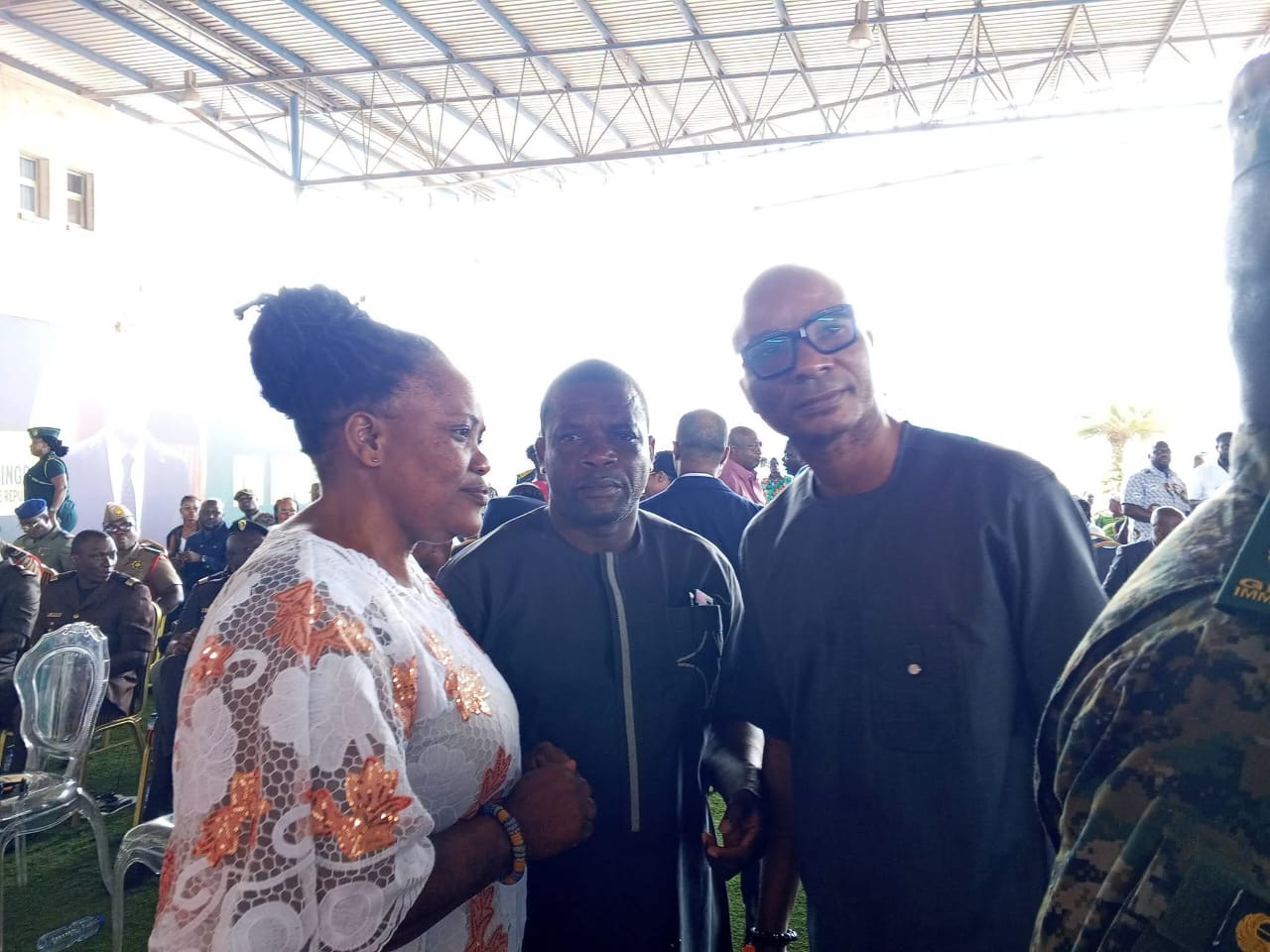
Reverend Martin Amenaki, the Municipal Chief Executive (MCE) for Ketu North, has urged for sustained public education regarding the Economic Community of West African States (ECOWAS) free movement protocols. He stated that better understanding of these regulations will significantly boost cross-border trade and enhance economic opportunities across the sub-region. This direct call emphasizes the importance of informed citizens for regional economic growth.
The MCE’s comments came during a crucial stakeholder engagement. The ECOWAS Commission organized this event at the Akanu-Noepe Joint Border Post, located between Ghana and Togo. Representatives from Ghana, Togo, Benin, and Nigeria participated in discussions on cross-border movement and trade issues. Reverend Amenaki commended the ECOWAS Commission for facilitating these vital discussions, highlighting their direct impact on border communities.
This initiative fits into Ghana's broader economic strategy to leverage regional trade for national development. Ghana has consistently advocated for deeper regional integration within ECOWAS to expand its market access and stimulate local industries. The effective implementation of free movement protocols is critical for achieving the country's trade objectives and fostering economic stability. Data shows that intra-ECOWAS trade remains below its potential, underscoring the urgency of such educational efforts.
Reverend Amenaki told the Ghana News Agency (GNA) that the engagement was particularly important for border communities. He explained that these communities are directly affected by policies governing the movement of people, goods, and services. He stressed that effective implementation of the protocol would facilitate trade, deepen regional integration, and create economic opportunities. This would ultimately improve the livelihoods of people living in these vital border areas.
The MCE also called for regular public sensitisation campaigns. These campaigns would help residents, traders, and travellers understand their rights and responsibilities under the ECOWAS free movement regime. Such education would also ensure compliance with relevant border requirements. He believes this approach will address misconceptions and reduce challenges faced by border users daily.
Furthermore, Reverend Amenaki encouraged stakeholders to collaborate closely with border management agencies. This collaboration aims to create an enabling environment for legitimate businesses. Simultaneously, it would maintain necessary security measures at the borders. This balanced approach is essential for both economic facilitation and national security.
The Akanu-Noepe Joint Border Post is a critical crossing point between Ghana and Togo. It forms part of the Abidjan-Lagos Corridor, a major regional route. This corridor facilitates the movement of people, goods, and services across West Africa. Enhancing its efficiency through better public understanding of protocols can unlock significant economic value.
The implications of sustained ECOWAS education are far-reaching. Increased awareness can lead to smoother trade flows, reducing delays and costs for businesses. This could attract more investment into border regions and create new jobs. Decision-makers will watch for improved compliance rates and increased trade volumes as indicators of success. Markets will respond positively to reduced trade barriers and enhanced regional stability.
The ECOWAS Commission's continued engagement with local authorities and stakeholders is paramount. Strengthening collaboration with Municipal and District Assemblies, traditional authorities, and security agencies will ensure effective protocol implementation. This comprehensive approach is vital for unlocking the full economic potential of regional integration. It supports the vision of a more prosperous and interconnected West Africa.