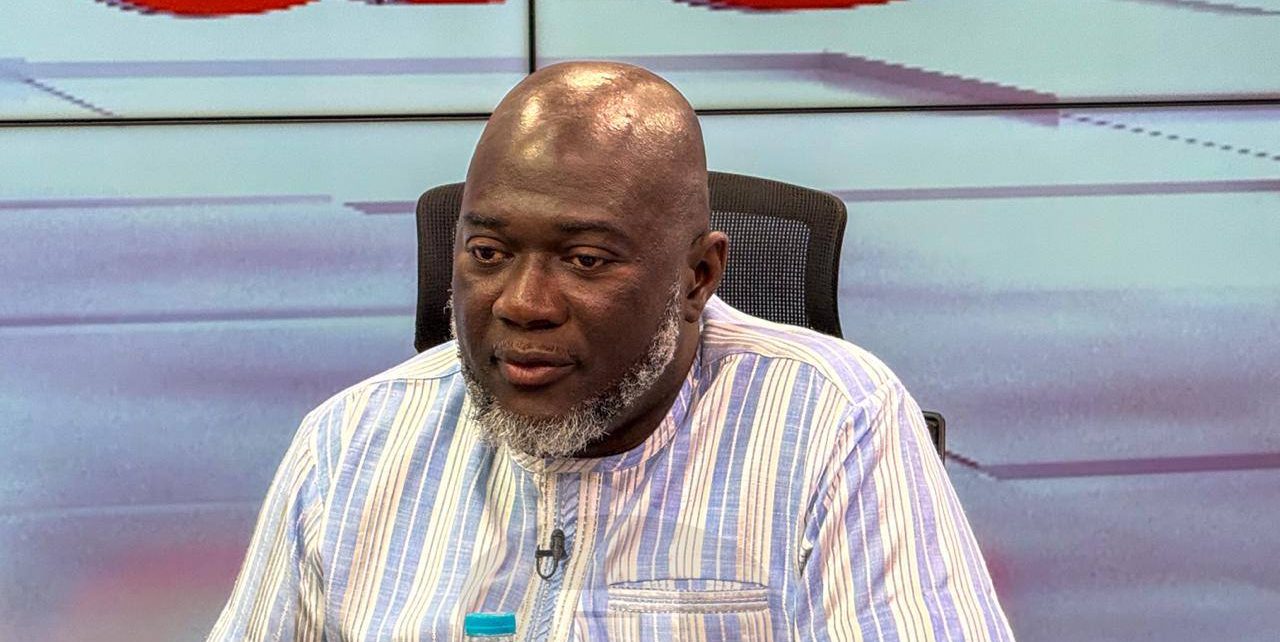
Duncan Amoah, Executive Secretary of the Chamber of Petroleum Consumers (COPEC), has called for major reforms in Ghana’s port security systems. This demand follows the seizure of nearly 3.9 tonnes of cocaine in France. French customs authorities intercepted the large consignment at the port of Dunkirk on September 10. The cocaine, valued at about €225 million, was found hidden in a container carrying plastic waste that had originated from Ghana.
This significant bust exposes critical weaknesses in the systems used to screen and clear containers at Ghana’s ports. Mr. Amoah emphasized that the focus must extend beyond arresting individuals involved in the shipment. It must address the underlying processes that allowed such a large quantity of illicit drugs to leave Ghana. The incident raises concerns about the integrity of Ghana's trade routes and its international standing.
The incident fits into a broader narrative of Ghana's ongoing struggle with illicit trade and port security. Ghana's ports are vital economic gateways, handling billions of GHS in trade annually. Any perceived weakness in security can deter legitimate investment and trade, impacting the nation's economic growth targets. The country's ambition to become a regional trade hub depends heavily on robust and trustworthy port operations. Previous incidents have also highlighted the need for continuous vigilance and modernization of security protocols.
Mr. Amoah stated that the container had reportedly been flagged by the Integrated Customs Management System (ICUMS) before clearance. He questioned how a flagged consignment could still pass through the system. He argued that allowing human intervention to override alerts from scanning technology creates significant room for abuse. “If we don’t take care, we will jail our people as if they are the origin of the drugs,” he warned. This highlights the need for systemic solutions over individual blame.
The implications of this security lapse are far-reaching. Ghana's reputation as a reliable trade partner could suffer, potentially leading to increased scrutiny and delays for legitimate Ghanaian exports. This could affect various sectors, from agriculture to manufacturing, which rely on efficient port operations. International partners may impose stricter checks on goods originating from Ghana, increasing costs and reducing competitiveness. The government must act decisively to restore confidence in its port security architecture.
President John Dramani Mahama has already directed the formation of an inter-agency task force to develop a roadmap. This task force aims to prevent drug trafficking through Ghana’s borders. It has two weeks to submit its recommendations, indicating the urgency of the situation. The Presidency confirmed that 10 people are being held as investigations continue. These include four Customs Division officers of the Ghana Revenue Authority. This suggests potential internal complicity or negligence within the port system.
Mr. Amoah also urged political actors to avoid politicizing the issue. He stressed that partisan arguments between the New Patriotic Party (NPP) and the National Democratic Congress (NDC) would not solve the fundamental weaknesses. A unified approach is essential to implement effective, long-term solutions. Enhancing port security requires significant investment in technology and training. It also demands a commitment to transparency and accountability across all levels of port operations. The economic stability of Ghana depends on securing its borders and trade routes effectively.