Ghana's cement manufacturers have collectively introduced a uniform GHS 12 per bag clinker demurrage surcharge. This decision by the Chamber of Cement Manufacturers, Ghana (COCMAG) has triggered serious competition concerns from CUTS International, a leading public policy think tank. CUTS warns that such a collective agreement among competing firms on a common surcharge bears the hallmarks of cartel conduct.
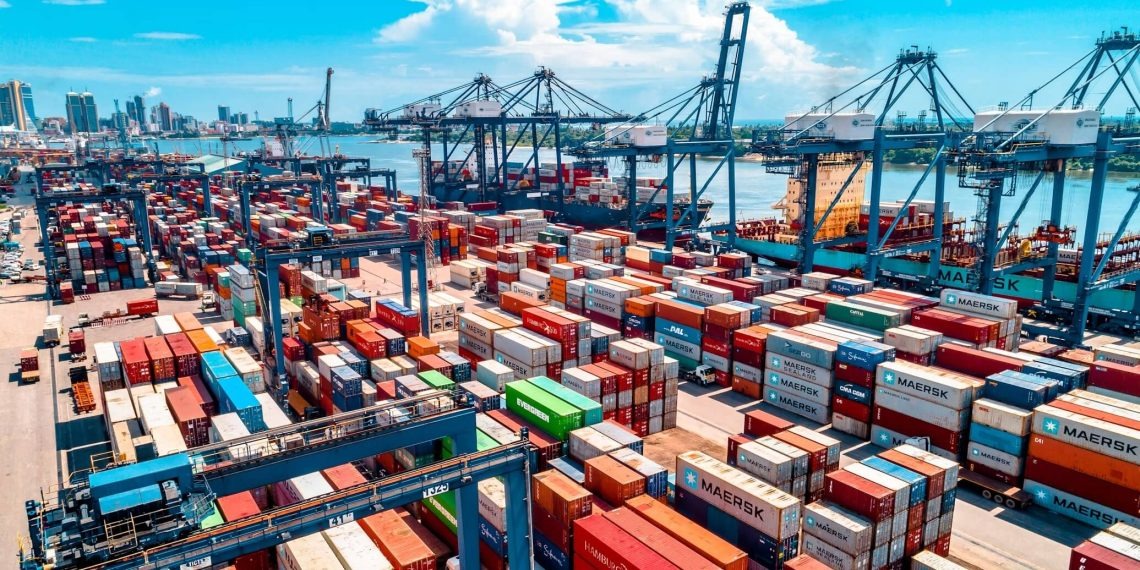
The surcharge aims to help manufacturers recover significant costs incurred from severe congestion at Tema Port. COCMAG reports vessel waiting times increased dramatically from an average of seven days in January to between 30 and over 40 days by August 2026. This congestion resulted in estimated industry-wide demurrage costs of US$45 million to US$50 million during the first eight months of the year. The GHS 12 surcharge includes GHS 10 before tax and GHS 2 in taxes and levies, and was reportedly decided at an emergency meeting on August 28, 2026.
This development fits into a broader narrative of rising operational costs and supply chain challenges impacting Ghana's economy. Port congestion has been a persistent issue, affecting various sectors and contributing to inflationary pressures. The construction industry, a major consumer of cement, could see increased input costs, potentially impacting housing and infrastructure projects. This situation highlights the delicate balance between legitimate business cost recovery and maintaining a competitive market environment.
Appiah Kusi Adomako, Director of the West Africa Regional Centre of CUTS International, emphasized the core concern. He stated, “What raises a red flag is when firms that are supposed to compete meet and collectively determine a common surcharge to be paid by consumers.” Mr. Adomako added that when competitors agree on an element of price rather than determine it independently, such conduct bears the classic hallmarks of cartel behaviour. CUTS does not dispute the industry’s right to recover legitimate costs, but questions the method of recovery.
The immediate implication is a potential increase in cement prices for consumers and construction companies across Ghana. This could further strain household budgets and project costs. Regulatory bodies, particularly the competition authority, will likely scrutinize this collective action. The surcharge is set to remain until December 31, subject to monthly monitoring and a review in January 2027. This timeline suggests ongoing market observation will be crucial to assess its impact and compliance with competition laws.
CUTS International argues that different cement manufacturers have varied cost structures. They possess different shipping contracts, clinker volumes, vessel arrangements, inventory levels, and operational efficiencies. Therefore, there is no economic reason for each manufacturer’s additional cost per bag to be identical. One manufacturer might genuinely need GHS 12 to recover costs, while another might require less, perhaps GHS 8. A more efficient firm might even absorb part of the cost to gain market share.
Mr. Adomako questioned why companies with different cost structures should all arrive at exactly the same GHS 12 surcharge. He stressed that each company should calculate its own costs and independently determine its charges to consumers. He pointed out that different costs should ordinarily produce different commercial responses, which is the essence of competition. The current uniform surcharge stifles this natural market dynamic.
The airline industry offers a useful comparison. Airlines face rising fuel costs and apply fuel surcharges to recover these. However, each airline independently determines its surcharge. For example, fare information for the Accra-Kumasi route on September 15, 2026, showed Africa World Airlines applying a fuel surcharge of GHS 220, while PassionAir applied GHS 75. This difference makes economic sense because airlines operate different aircraft and have varied operating costs. If competing airlines agreed on an identical fuel surcharge, it would raise serious cartel concerns.
CUTS recognizes COCMAG’s legitimate role as an industry association. Cement manufacturers have every right to collectively engage government and the Ghana Ports and Harbours Authority (GPHA) over port congestion and other common industry problems. However, there must be a clear boundary between legitimate industry advocacy and coordination of commercial decisions among competitors. A trade association risks crossing this boundary when members discuss or agree on prices or surcharges that each company should determine independently.
CUTS has called on COCMAG to clarify whether the GHS 12 surcharge is a collective decision or merely a recommendation to its members. It also seeks confirmation that each manufacturer remains free to charge GHS 12, a lower amount, a higher amount, or no surcharge at all. Furthermore, CUTS cautions against using the proposed monthly monitoring and January review to exchange commercially sensitive information, such as future prices or production volumes. Addressing the port problem is vital, but preserving competition remains equally important for Ghana's economic health.