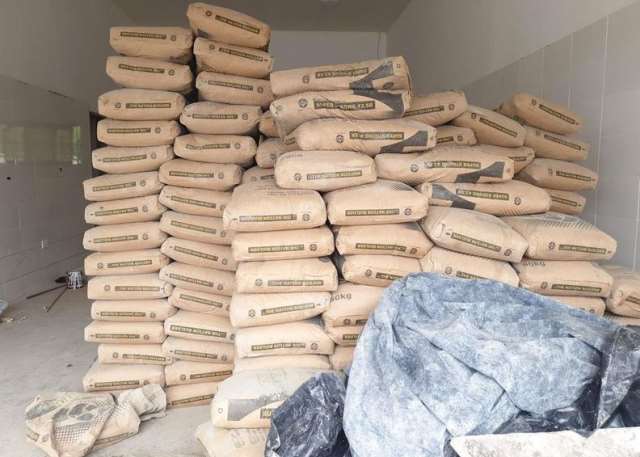
Ghanaian cement manufacturers will introduce a new 'Clinker Demurrage Surcharge' of GHS 12 per bag. This decision addresses operational losses estimated between US$45 million and US$50 million this year.
These substantial costs stem from severe congestion at Tema Port, causing extended waiting times for vessels. Clinker, a vital raw material for cement production, now faces 40-day delays for port clearance. This is a significant increase from the 7-day clearance period observed earlier this year.
The prolonged delays at Tema Port are creating a structural bottleneck for Ghana's economy. Cement production relies heavily on imported clinker. The extended supply cycle, now stretching towards three months, impacts construction projects nationwide. This situation also drains foreign exchange reserves, as demurrage fees are paid to international shipping lines.
Industry sources confirm the new GHS 12 charge is a temporary measure. It will appear separately on invoices and undergo quarterly review. Manufacturers are engaging with government stakeholders, including the Ministries of Trade, Agribusiness and Industry, and Transport. They seek collaborative solutions to streamline port operations and alleviate congestion.
The core issue is the dramatic increase in vessel waiting times at anchorage. Daily vessel demurrage rates have climbed to approximately US$27,000. A single vessel waiting for 40 days incurs over US$1 million in penalty fees before offloading its cargo. This financial burden directly impacts the cost of cement production.
This is not a standard price increase but a direct pass-through surcharge. Its purpose is to recover unbudgeted operational losses. If port clearance times improve, the surcharge can be reduced or removed entirely. This mechanism aims to ensure transparency regarding the additional cost component.
The cement industry emphasizes the need for inter-agency collaboration to resolve the port bottleneck. Optimizing access to Berths 10 and 11 at Tema Port could immediately help clear the vessel backlog. Such measures would reduce the financial strain on manufacturers and consumers alike. The current situation highlights vulnerabilities in Ghana's supply chain infrastructure.
The substantial demurrage fees represent a significant outflow of capital. This money leaves the Ghanaian economy instead of circulating domestically. Resolving port congestion would eliminate the need for the surcharge. It would also retain valuable foreign exchange within Ghana. The Ministries of Trade, Agribusiness and Industry, and Transport are key players in finding a lasting solution.
The extended lead time for clinker imports creates significant challenges for planning and inventory management. Cement manufacturers must now account for a much longer period between ordering and receiving raw materials. This can lead to supply inconsistencies and potential shortages in the market. The industry's appeal for government intervention underscores the urgency of the situation.
The GHS 12 surcharge directly impacts consumers and the construction sector. It raises the cost of building materials across the country. This could affect housing projects, infrastructure development, and overall economic growth. The industry hopes for swift action to normalize port operations. Until then, the financial reality of prolonged offshore delays will continue to be passed on.