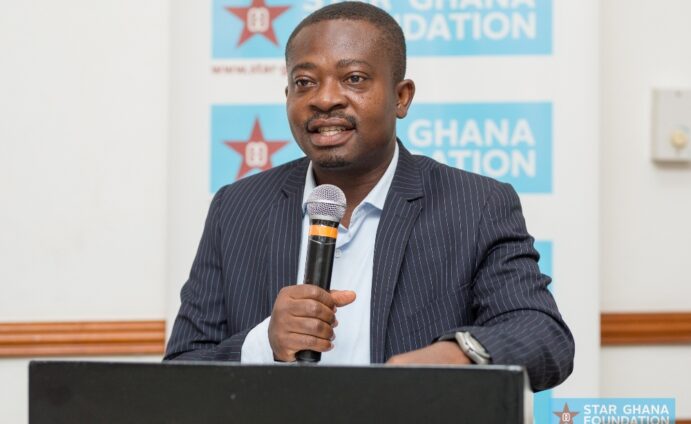
The Association of Ghana Industries (AGI) has warned that the government’s 24-hour economy initiative faces significant financing challenges. Manufacturers need immediate access to affordable, long-term credit to support essential industrial expansion for the plan's success. This call for tailored financing directly impacts Ghana's economic diversification and job creation goals.
Seth Twum-Akwaboah, CEO of the AGI, stated that recent lending rate reductions are positive. However, he emphasized that the current financial structure remains a major hurdle for businesses. Companies aiming to establish new factories, expand production, and create employment require different financing. This includes longer repayment periods, which are not currently prevalent in Ghana’s banking sector.
This issue fits into Ghana’s broader economic narrative of fostering industrial growth and reducing reliance on commodity exports. The 24-hour economy initiative seeks to boost productivity and output across various sectors. The Ghana Statistical Service (GSS) reported Ghana’s economy grew by 6.4% in Quarter 1 2026. Sustainable industrial growth requires credit beyond short-term commercial loans. Development finance institutions like DBG and EXIM Bank are in place, but their effectiveness in providing suitable long-term capital is under review.
Mr. Twum-Akwaboah explained on Channel One TV’s Quarterly Economic Review that industrial projects need several years to generate returns. He noted that short repayment periods are unsuitable for businesses investing in factories and production capacity. He said, “If you are doing long-term, which is a medium- to long-term facility, five years, 10 years, you need a kind of financial arrangement that interest rate is even supposed to be lower than this.” This highlights the structural mismatch between industrial investment cycles and available financing.
The implications are clear: without structural changes in credit provision, the 24-hour economy initiative may falter. Policymakers must evaluate existing development finance mechanisms to ensure they meet manufacturers' long-term capital needs. Investors and businesses will closely watch how the government addresses these credit access issues. This is especially crucial given the substantial investments required for factory construction and production ramp-up.
Industrial projects typically involve lengthy construction phases, often taking six months to a year. After construction, businesses require additional time to test production and develop market channels. Mr. Twum-Akwaboah highlighted the need for a sufficient moratorium period. This allows companies to become fully operational before loan repayments begin. He stated that lower interest rates alone are insufficient. The credit structure itself must support long-term investment timelines. Addressing this financial gap is critical for Ghana's industrial advancement.