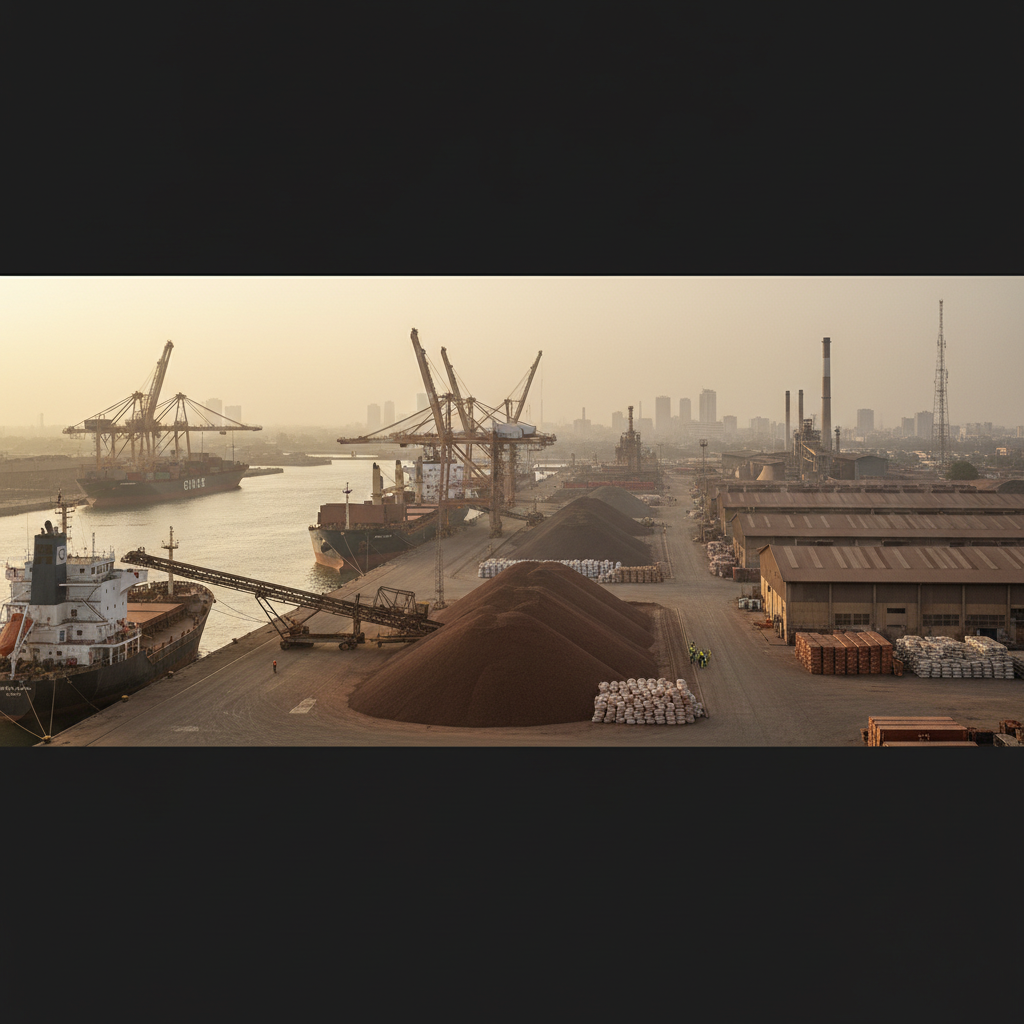
Johnson Asiedu Nketia, the National Chairman for the National Democratic Congress (NDC), has urged African nations to transition from exporting raw materials. He advocates instead for developing industries that transform the continent’s natural resources into technology and higher economic value. This move aims to prevent Africa from merely supplying strategic resources while other economies capture most of the generated value.
Mr. Nketia highlighted Africa's abundant critical mineral reserves as a foundation for this industrial development. He stated this should not continue to fuel other economies. The goal is for Africa to become an active participant in global industries and value chains. This strategic shift is crucial for long-term economic growth and prosperity across the continent.
This call aligns with Ghana’s ongoing efforts to diversify its economy and reduce reliance on commodity exports. For many years, Ghana has been a significant exporter of raw cocoa beans and gold. However, processing these resources locally could generate far greater revenue and create more jobs. The government has initiatives to encourage local manufacturing and value addition in sectors like cocoa processing and mining.
Mr. Nketia firmly stated that the 21st century should not be another chapter of raw material extraction. He believes true power for Africa will come from its industrial capability to transform resources into home-grown technology, knowledge, and value. He emphasized that Africa’s strategic resources must support local industries and improve livelihoods, not just the ambitions of industrialised nations.
The NDC Chairman’s remarks were made at the Third Meeting of the Standing Committee of the International Movement for the Freedom of Nations in Russia on July 8, 2026. He further argued that political independence alone is insufficient for prosperity. African nations must develop strong industrial capacities and economic institutions to translate sovereignty into sustainable growth. This includes investing in domestic manufacturing, innovation, and sustainable development.
This push for industrialisation has significant implications for Ghana and other African economies. Investors will look at policies promoting local value addition and manufacturing. Such policies could attract foreign direct investment into processing industries. It could also lead to new job creation and increased tax revenues for governments. Decision-makers must formulate clear strategies and incentives to support this economic transformation.