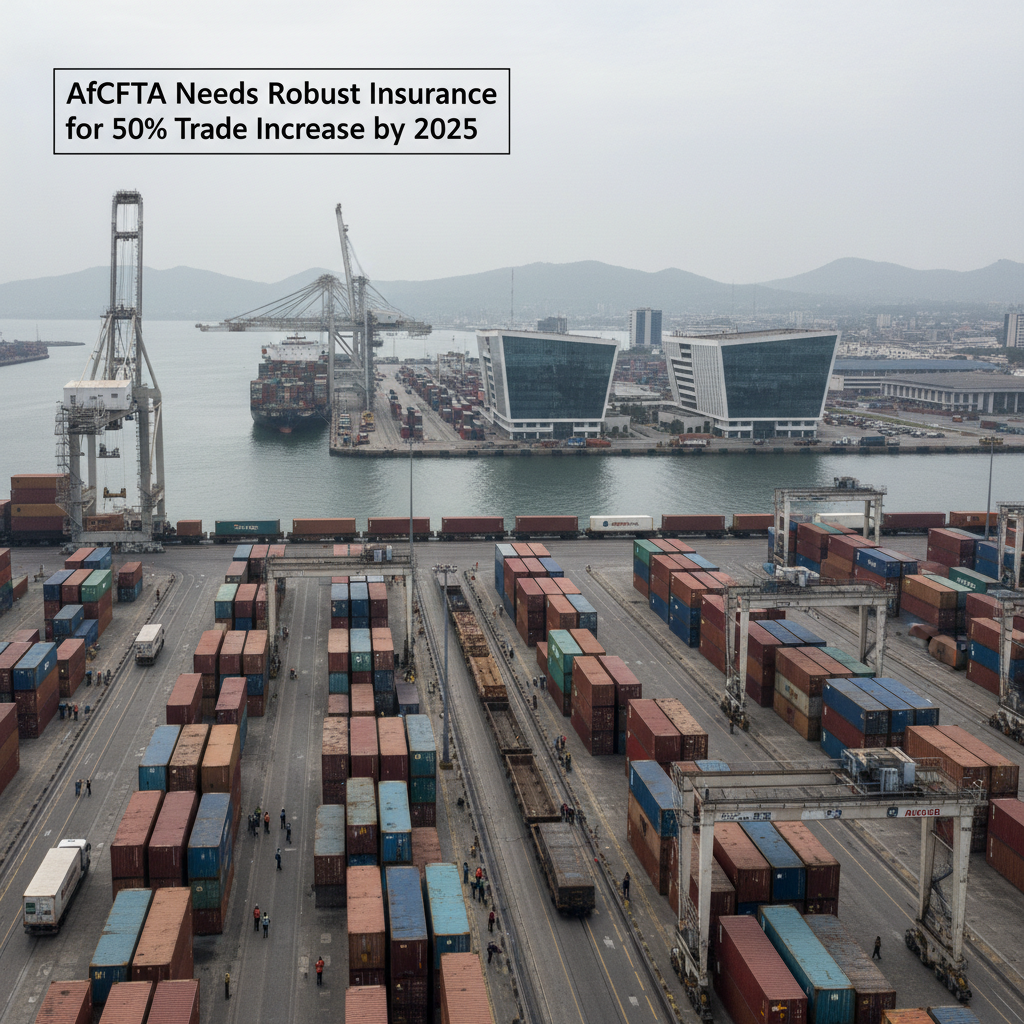
African Continental Free Trade Area (AfCFTA) requires a robust continental insurance system to achieve its full potential. Intra-African trade currently stands modestly between 15% and 18% of total African trade. This figure falls significantly short of other regions like Asia (over 60%) and Europe (over 70%).
This substantial gap highlights the absence of practical systems for the safe and predictable movement of goods and people. Developing a comprehensive insurance framework is essential to mitigate risks for traders, transport operators, and investors. Strong insurance infrastructure will secure cross-border transactions and build confidence among participants.
AfCFTA, operational since January 2021, aims to reshape the economic landscape for 54 participating countries. The continent's collective Gross Domestic Product (GDP) totals approximately 3.4 trillion United States dollars. Leading development institutions project that full implementation of AfCFTA could increase intra-African trade by more than 50% by 2035. This projected growth hinges on significant infrastructure and regulatory reforms. Ghana plays a role in this continental initiative through its participation in the Guided Trade Initiative since 2022. This initiative provides a vital testing ground for future expanded trade across Africa.
Dr. Winfred Kwasi Dodzih, an expert in trade, highlights the critical but underdeveloped role of insurance in securing AfCFTA's success. He states, “Insurance is one of the most critical yet underdeveloped pillars of this system.” His insights underscore the need for a protective financial layer. This layer will ensure trust-based systems for all parties involved in trade.
The establishment of a continental insurance system will impact Ghana's economy by fostering increased trade and investment. It will support the expansion of manufacturing and agro-processing jobs. It will also reduce dependency on primary commodity exports. Improved trade assurances will also lower prices for consumers due to tariff liberalisation and increased product diversity. Decision-makers and markets will closely monitor progress in harmonising insurance regulations across member states. The success of this move will hinge on effective implementation across all 54 member countries. This system complements existing efforts like the Pan African Payments and Settlement System, which simplifies trade settlements in local currencies. Further development of financial solutions and infrastructure, such as modernised ports in Ghana, Kenya, and Senegal, will strengthen AfCFTA's economic benefits. This integrated approach will ensure a more resilient and prosperous African single market.