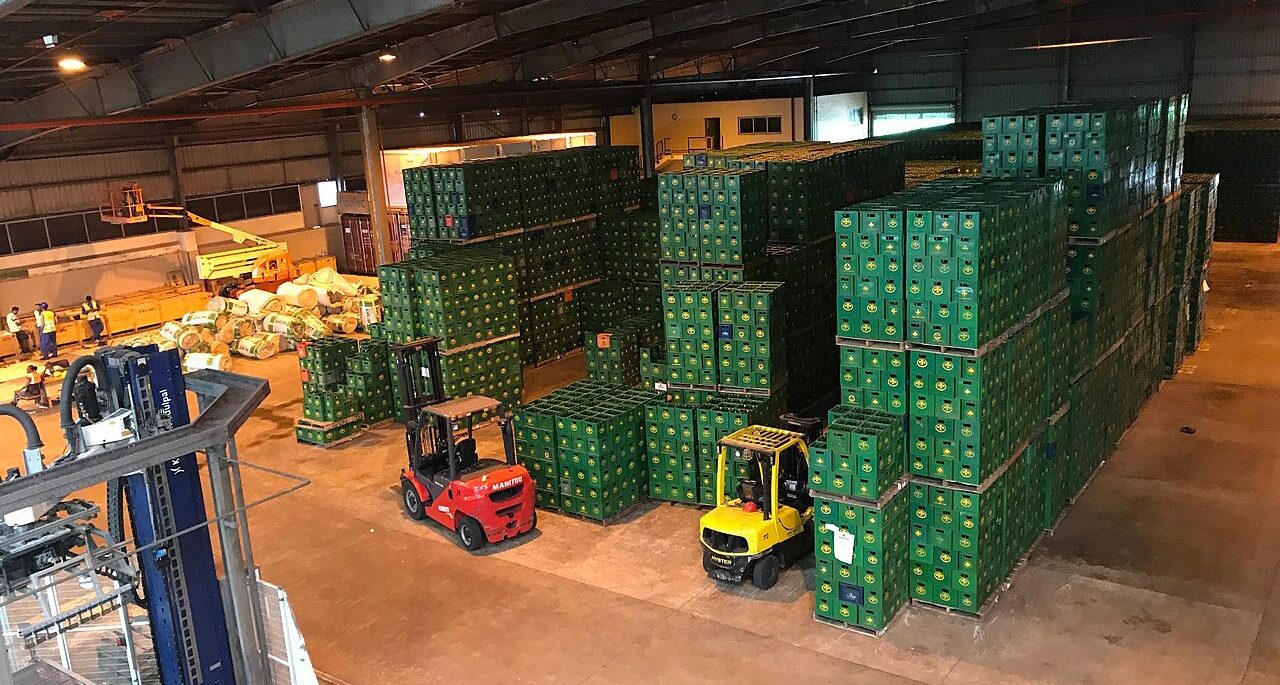
Accra Brewery Limited is considering shutting down its operations following the implementation of Ghana’s revised excise duty regime. The new tax imposes a duty of between 7% and 15% on beer produced by local manufacturers, including Accra Brewery.
This revised legislation could make the company's business difficult to sustain. Sources familiar with the situation indicate the new tax might result in Accra Brewery recording a direct financial impairment of about US$7 million. This potential loss raises serious concerns about the company’s ability to maintain its current production levels and operations.
The situation fits into a broader narrative of increasing pressure on Ghana's local manufacturing sector. Domestic beverage producers already face strong competition from imported products, which has squeezed profit margins and revenues. The additional tax burden makes it harder for these companies to absorb rising costs, potentially leading to reduced production and job losses across the industry.
Industry players have expressed significant worries about the wider effects of the revised excise duty on Ghana’s local beverage manufacturing sector. The Ghana Revenue Authority defines excise duty as a tax on the manufacture, sale, or consumption of specific goods, including alcoholic beverages. This tax increase comes at a challenging time for local businesses.
The potential shutdown of Accra Brewery could have significant economic consequences. Thousands of workers, suppliers, and distributors depend on the brewery’s operations. A closure would impact their livelihoods and ripple through the local economy, affecting related businesses and the broader supply chain. Decision-makers will closely watch how other local manufacturers respond to these new tax measures.
Accra Brewery has operated in Ghana for decades, establishing itself as a key employer and contributor to the economy. Its potential exit underscores the delicate balance between government revenue generation and supporting local industries. The government's fiscal policies, particularly taxation, play a critical role in shaping the competitiveness and survival of domestic businesses.
Other companies in the beverage sector are reportedly considering similar actions, such as reducing production levels and laying off workers, if the new tax measures are fully implemented. This could lead to a contraction in the manufacturing sector, impacting Ghana's industrial output and employment figures. The long-term implications for local investment and industrial growth remain a key concern for economic observers.
The government may face calls from industry bodies to review the excise duty rates. Such a review would aim to balance revenue needs with the need to protect local jobs and promote industrial growth. The coming months will reveal the full extent of the new tax regime's impact on Ghana's beverage industry and its broader economy.