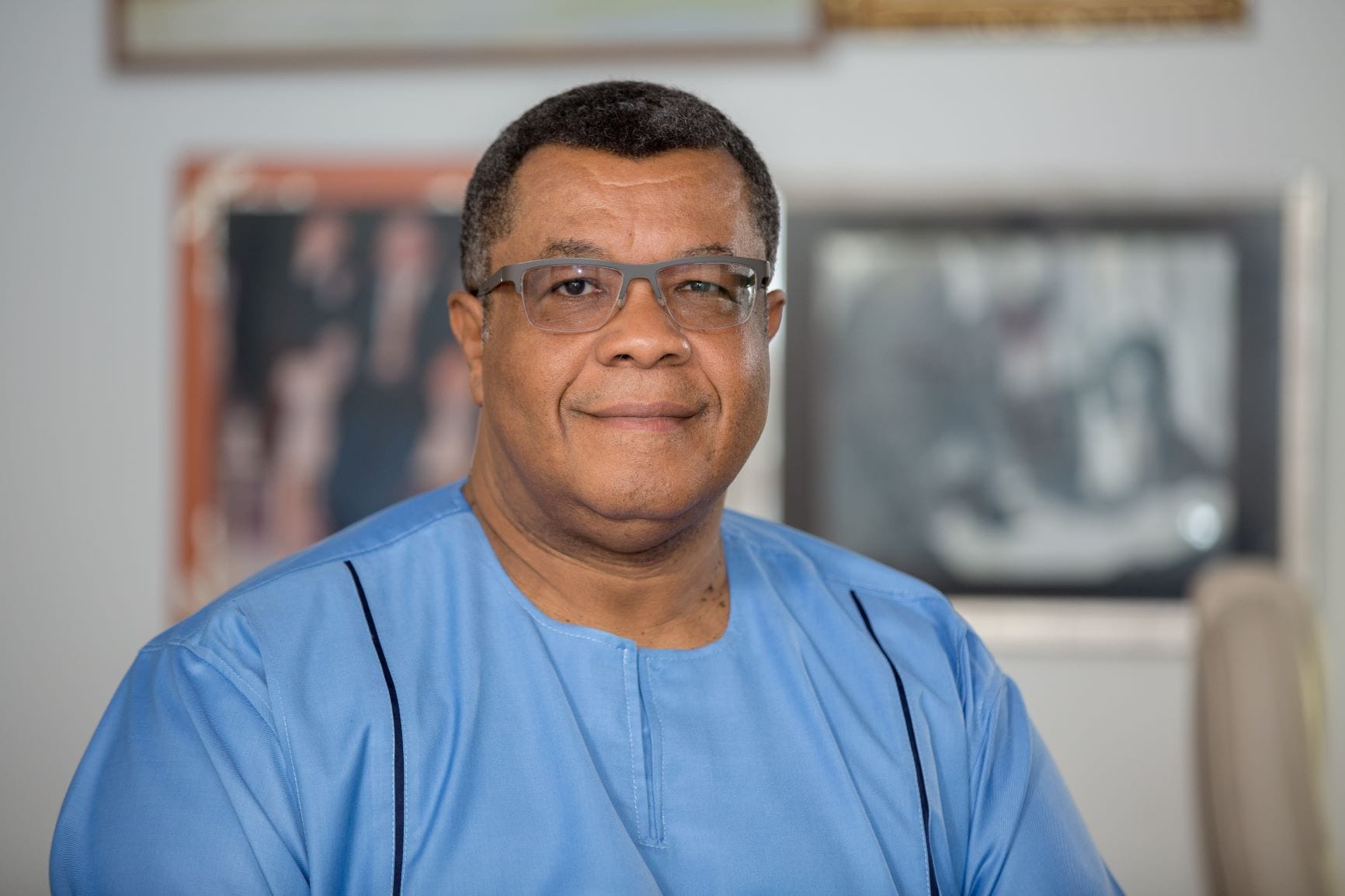
Presidential Advisor Goosie Tanoh has cautioned Ghanaians against expecting an immediate industrial boom from the government’s 24-Hour Economy programme. He stated the initiative focuses on tackling deep-rooted production and supply-chain constraints before industries can significantly increase capacity. This clarifies the programme's long-term strategic intent over short-term expectations.
Mr. Tanoh explained the programme is not merely about extending business operating hours. Instead, it aims to systematically rebuild Ghana’s productive system. This includes improving agricultural output, strengthening supply chains, and mobilizing private capital. The goal is to create conditions for industries to operate consistently and profitably, addressing fundamental economic inefficiencies.
This approach fits into Ghana’s broader economic narrative of structural transformation. The nation has long grappled with low industrial capacity utilization and reliance on raw material exports. Addressing these issues is crucial for sustainable growth and job creation. The 24-Hour Economy seeks to move beyond superficial fixes to fundamental economic challenges.
Speaking at a media engagement in Accra on Wednesday, August 19, 2026, Mr. Tanoh emphasized the need for foundational changes. “You can’t leap from 10% capacity utilization to 100% capacity utilization in one year,” he stated. This highlights the realistic timeline and phased approach required for industrial development. His comments underscore the complexity of economic transformation.
The programme's implications are significant for Ghana’s industrial sector and overall economic stability. Businesses should anticipate a gradual improvement in operating conditions rather than sudden shifts. Decision-makers will monitor progress in supply chain efficiency and raw material availability. This strategic patience is vital for attracting sustained investment and fostering long-term growth.
Mr. Tanoh described the 24-Hour Economy as a “systematic reconstruction” of Ghana’s productive system. Interventions cover agriculture, manufacturing, logistics, infrastructure, and access to finance. This comprehensive scope indicates a multi-sectoral approach to economic development. It aims to create a more robust and resilient economy.
He used the soybean processing industry to illustrate the structural challenges the programme addresses. Some processors with existing factory capacity have shut down due to unviable soybean prices. When prices increase, factories cannot operate profitably, leading to closures. This situation exemplifies the raw material supply and pricing issues hindering industrial growth.
The solution, Mr. Tanoh noted, is not simply to reopen factories or compel longer hours. “Our role is to make sure that the supply of soybeans throughout Africa is such that it can feed the factories consistently,” he explained. This focus on consistent, affordable raw material supply is critical for industrial sustainability. It shifts the emphasis from output to input stability.
Another major obstacle identified was the high cost of transporting agricultural produce. Logistics costs for moving soybeans from farms to commercial processors are about 60% in Ghana. This compares unfavorably to a global average of 50%. Reducing these costs is a key target for improving industrial competitiveness and profitability.
Improving agricultural yields is also paramount, as low productivity affects raw material costs and availability. A farmer producing 900 kilogrammes per hectare will price their product based on that low yield. If productivity increases to six tonnes per hectare, the unit cost decreases, making raw materials more affordable for processors. This directly impacts industrial input costs.
The government does not intend to rely solely on public funds for this transformation. The strategy involves using limited government resources to develop projects sufficiently to attract private capital. This leverages public investment to catalyze private sector participation, a common approach in large-scale development projects.
The programme has already demonstrated its ability to attract significant investment. It leveraged approximately US$318 million in seed funding to execute projects valued at about US$3.5 billion. This track record is crucial for attracting additional financing for infrastructure under the 24-Hour Economy. It signals confidence to potential investors.
Mr. Tanoh expressed hope that this successful leveraging record would attract further funding for infrastructure development. The programme works with government entities and project developers to identify projects suitable for private financing. This collaborative approach aims to maximize investment impact and accelerate economic growth. The focus remains on creating an enabling environment for industries to thrive.