Ghana’s 10 most visited tourist attractions recorded 1,377,588 visits in 2025. This figure represents 77% of all tourism visits recorded during that year. The data underscores the growing strength of the country’s visitor economy but also highlights a significant concentration of traffic.
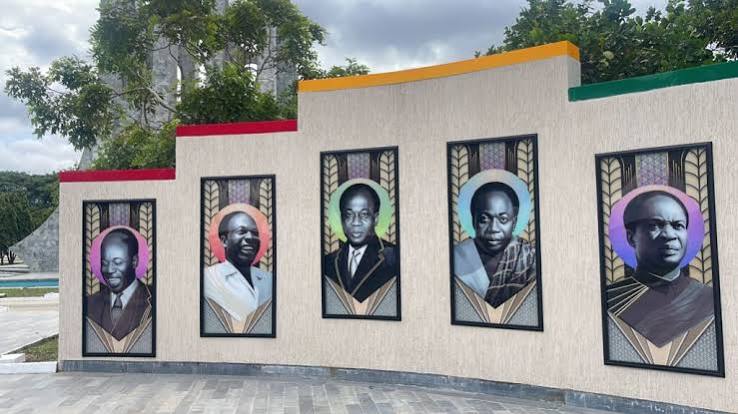
The Minister for Tourism, Culture and Creative Arts, Dzifa Abla Gomashie, disclosed these figures. The Kwame Nkrumah Memorial Park emerged as the most visited attraction. Kakum National Park and Bonsu Arboretum/Eco Park followed. Cape Coast Castle ranked fourth, with Manhyia Palace in fifth place. Kumasi Zoo, Accra Zoo, Elmina Castle, Shai Hills Resource Reserve, and Aburi Botanical Gardens completed the top 10 list.
This ranking demonstrates the continued commercial appeal of Ghana’s heritage sites, wildlife attractions, ecological assets, and botanical destinations. Tourism is gaining greater economic significance for Ghana. International tourist arrivals reached approximately 1.30 million in 2025, an increase from over 1.20 million in 2024. International tourism generated an estimated US$4.34 billion in revenue in 2025. Domestic tourism also expanded, with visits increasing 7% from 1.68 million in 2024 to 1.79 million in 2025. These figures suggest tourism is becoming a more important part of Ghana’s services economy. It is also a potentially stronger source of jobs, investment, and foreign exchange.
The concentration of 77% of recorded visits among just 10 attractions raises an important policy question. Ghana is succeeding in drawing traffic to its best-known sites. However, a large share of the country’s tourism assets appears to remain outside the main commercial flow. This matters because tourism’s economic value extends beyond just gate receipts. A visitor to Kakum National Park or Cape Coast Castle can also spend on hotels, restaurants, transport, tour guides, entertainment, crafts, and local food. This spreads economic benefits through a wider network of businesses.
The challenge for policymakers is no longer simply how to attract more visitors. It is how to increase spending per visitor. They also need to extend the number of nights tourists stay. Furthermore, they must encourage tourists to travel beyond the handful of destinations that currently dominate the market. The Central Region offers a clear example of how such a strategy could work. Kakum National Park, Cape Coast Castle, and Elmina Castle all rank among the top 10. This creates the foundation for a tourism circuit that can connect heritage, nature, beaches, hospitality, and cultural experiences.
Developing stronger tourism clusters around such destinations could encourage longer stays. It could also support private investment in accommodation, restaurants, and transport. Similar opportunities exist around Accra, Kumasi, and the Eastern Region. The concentration of visitors can also guide infrastructure policy. High-traffic destinations require reliable roads, sanitation, security, broadband connectivity, and digital payment systems. This is crucial if Ghana is to convert footfall into stronger economic returns.
Directing some investment towards lesser-known attractions could help spread tourism income more evenly across regions. Better marketing, improved road access, and packaged tourism circuits could connect established destinations to surrounding communities. These communities currently receive relatively little visitor spending. This would be particularly important if Ghana wants tourism to play a larger role in economic diversification. Unlike gold, cocoa, or oil exports, tourism brings foreign consumers directly into the domestic economy. Their expenditure can flow through highly labour-intensive sectors.
The estimated US$4.34 billion generated from international tourism in 2025 represents more than just earnings for hotels or attractions. It constitutes foreign-exchange inflows that can support Ghana’s external position. It also stimulates businesses across transportation, food services, retail, entertainment, and the creative economy. The developmental impact, however, will depend on how much of that expenditure remains in Ghana. If hotels, restaurants, and tourism operators rely heavily on imported goods and services, part of the foreign exchange generated by visitors can quickly flow back out of the country. Stronger local supply chains could significantly improve this equation. Hotels sourcing food from Ghanaian farmers, attractions creating markets for local crafts, and operators employing local guides would allow a greater portion of the revenue to benefit the local economy.