Researchers at the Kwame Nkrumah University of Science and Technology (KNUST) have successfully converted oil from the Jatropha curcas plant into a high-performance engine lubricant. This new bio-lubricant meets international standards and performed reliably over 12,000km of motorcycle use during testing. The development marks a significant step towards reducing Ghana's dependence on petroleum-based products for automotive applications.
The KNUST team developed the bio-lubricant through a process of chemical modification. This involved esterification, transesterification, and epoxidation of the Jatropha oil, followed by blending with performance-enhancing additives. Laboratory tests, published in the International Journal of Emerging Research in Engineering Science and Management, confirmed the molecular changes. Industry-standard ASTM and ISO methods were used to evaluate its physical and chemical properties, ensuring its suitability for modern engines.
This innovation fits into Ghana's broader economic strategy of promoting local content and sustainable development. Reducing the import of petroleum-derived products can save valuable foreign exchange, strengthening the Ghana cedi. It also creates potential for a new agricultural value chain around Jatropha cultivation, offering economic opportunities for farmers. This aligns with national efforts to diversify the economy beyond traditional exports and build a more resilient industrial base.
Dr. Benneta Koomson, a co-author of the research, explained the motivation behind the project. She stated, "Jatropha curcas is a plant-based material, and we want to gradually move away from petroleum-based products." Dr. Koomson added, "This demonstrates that we can replace, or at least supplement, petroleum-based products with plant-based precursors such as Jatropha curcas oil." This statement underscores the strategic importance of the research for Ghana's energy independence and environmental sustainability.
The lubricant recorded a high viscosity index of 227, indicating stable performance across a wide range of operating temperatures. It also demonstrated strong safety and durability characteristics. These include a flash point of 230°C and a pour point of -20°C. Low free fatty acid content and an acid value below recommended limits further indicate good thermal stability and resistance to degradation. These properties are critical for engine longevity and efficient operation.
Real-world performance was assessed by testing the lubricant in a motorcycle engine over 12,000km. Although the viscosity index declined to 192.9 during operation, the lubricant maintained acceptable viscosity and thermal stability throughout the test. Engine wear was evaluated using X-ray fluorescence (XRF) analysis. Metal wear particles remained within original equipment manufacturer (OEM) guideline ranges, confirming adequate protection for engine components during prolonged use.
The successful development of this bio-lubricant could lead to significant economic implications for Ghana. It opens avenues for local production of engine lubricants, potentially reducing import bills and creating new industries. Decision-makers in the automotive and agricultural sectors will closely watch its commercial viability and scalability. This research could also inspire further investment in bio-fuel and bio-lubricant technologies across the West African region.
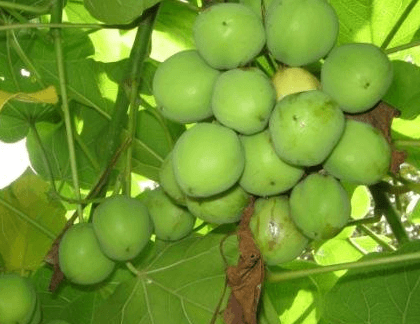
The Jatropha curcas plant itself is a stress-resistant perennial that grows on marginal soils. It is widespread throughout arid and semi-arid tropical regions. In Ghana, it is known by local names such as "akaneadua," "aborototo," or "nkrangyedua" in the Twi dialect. Its traditional uses and resilience make it an ideal candidate for sustainable industrial applications. This research highlights the potential of indigenous plants to contribute to modern technological solutions and economic growth.