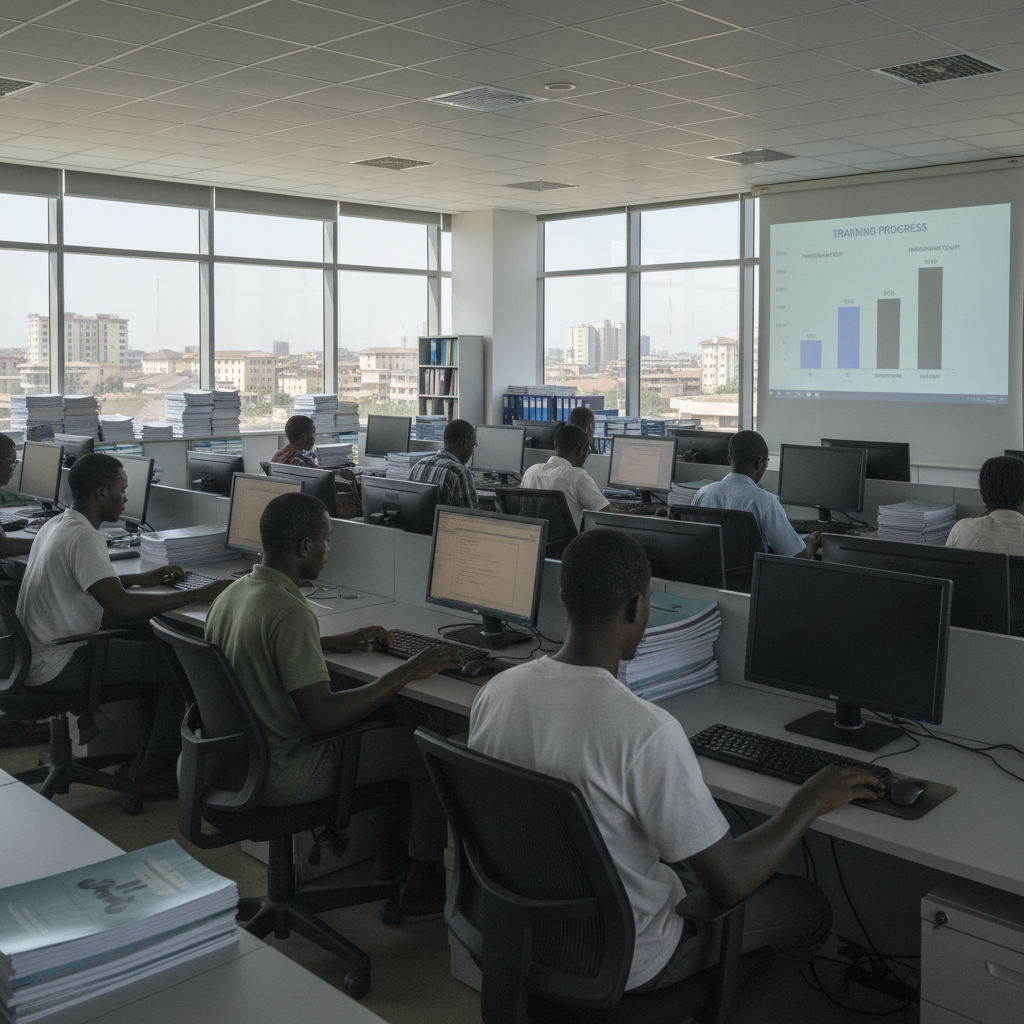
Ghana will train 2,000 young individuals in essential digital skills. The Youth Employment Agency (YEA) and Ghana Digital Centres have signed a Memorandum of Understanding (MoU) to achieve this. The program will focus on cloud computing, artificial intelligence (AI), cybersecurity, and data analytics.
This initiative directly addresses the increasing demand for specialized tech skills in Ghana. Equipping 2,000 youth with these capabilities will improve their employment prospects. It will also support the country's broader digital transformation agenda.
Ghana's economy is increasingly embracing technology and digitalization across various sectors. The government has prioritized digital infrastructure development and tech education. This program aligns with the national strategy to create a digitally literate workforce. It contributes to Ghana's ambition of becoming a technology hub in West Africa.
The specific details of the training curriculum and duration are not yet publicly known. However, such partnerships are crucial for building human capacity in a rapidly evolving digital landscape. Institutions like the YEA often collaborate with technical experts to design effective training modules.
This training program is expected to have several implications for Ghana's labor market. It will provide a pool of skilled workers for technology companies. It may also encourage entrepreneurship among the trained youth. Monitoring the program's success through job placement rates will be important.
The partnership highlights a proactive approach to youth unemployment and skills development. Cloud computing involves storing and accessing data and programs over the internet instead of on a local computer. Artificial intelligence enables machines to learn from experience and perform human-like tasks. Cybersecurity protects computer systems and networks from digital attacks. Data analytics involves examining raw data to find trends and draw conclusions.
The investment in these digital domains is critical for Ghana's long-term economic growth. A skilled digital workforce can attract foreign direct investment in the tech sector. This leads to job creation and economic diversification. The government's continued focus on digital education will shape Ghana's future economic competitiveness.
The program also underscores the growing importance of public-private partnerships in skill development. Combining government resources with technical expertise from entities like Ghana Digital Centres can yield significant results. It ensures the training remains relevant to industry needs.
The successful implementation of this MoU is crucial. It will set a precedent for future collaborations aimed at bridging the digital divide. Stakeholders will be watching for clear outcomes and the impact on youth employment figures. This initiative represents a tangible step towards leveraging technology for national development.