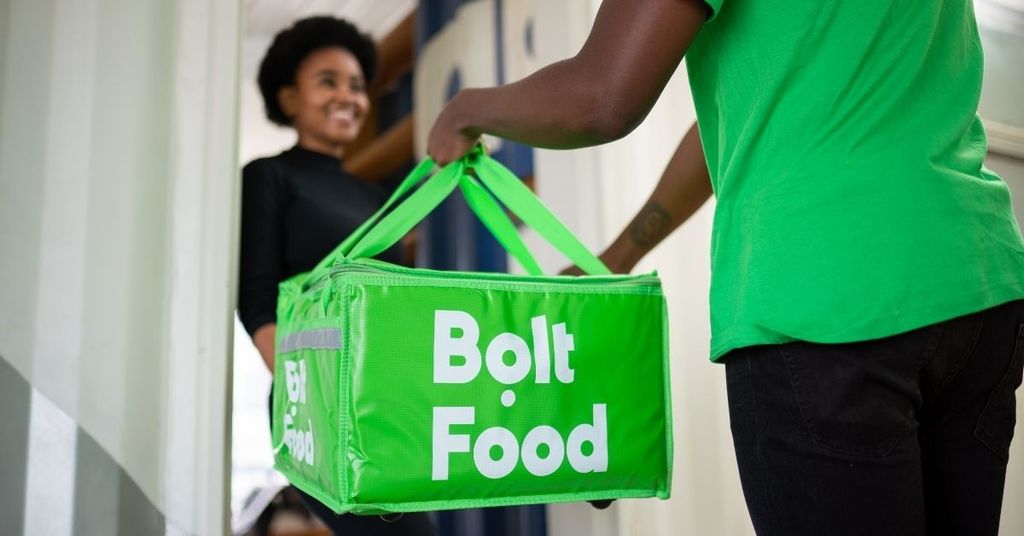
Ghana's food delivery market is rapidly expanding, with weekday lunches and mid-week dinners now central to consumer habits. New insights from Bolt Food reveal a 15% increase in weekday lunch orders over the past six months. Mid-week dinner orders have surged by 25% during the same period, highlighting a significant change in how Ghanaians access meals.
This growth signifies a fundamental shift in consumer behavior. Food delivery is no longer just for weekends or special events. It is becoming a regular part of daily life for many Ghanaians. This change is driven by a desire for convenience, especially among busy professionals, students, and families. They seek reliable meal options that fit their demanding schedules.
The trend aligns with broader economic shifts in Ghana, where urbanization and increased disposable incomes are changing lifestyle patterns. As more people work longer hours or commute, the demand for convenient services like food delivery grows. This sector's expansion also reflects the increasing adoption of digital platforms across various industries in Ghana.
Ali Zaryab, General Manager at Bolt Food, confirmed this evolving trend. He stated, "Customers are increasingly making food delivery part of their weekly routine." Mr. Zaryab added that weekday lunches and mid-week dinners are among the fastest-growing ordering occasions. This reflects how convenience is becoming deeply embedded in everyday life for Ghanaian consumers.
The implications of this shift are far-reaching for Ghana's economy. The consistent demand throughout the week creates a more stable revenue stream for restaurants. This reduces their reliance on traditional peak periods like weekends. It also supports job creation within the logistics and food service sectors. This sustained growth could attract further investment into the technology and delivery infrastructure.
Decision-makers and market analysts will closely watch how this trend evolves. The continued integration of food delivery into daily routines suggests a maturing digital economy. This could lead to further innovation in delivery services and increased competition among providers. The average ordering frequency has also grown by 22%, indicating a deeper integration of these services into consumer lifestyles.
The sustained demand also benefits restaurant partners. They experience steadier business beyond traditional busy times. This creates a healthier ecosystem for all participants. It offers greater convenience for customers and more growth opportunities for businesses. This trend is expected to continue as urban lifestyles become more prevalent across Ghana.