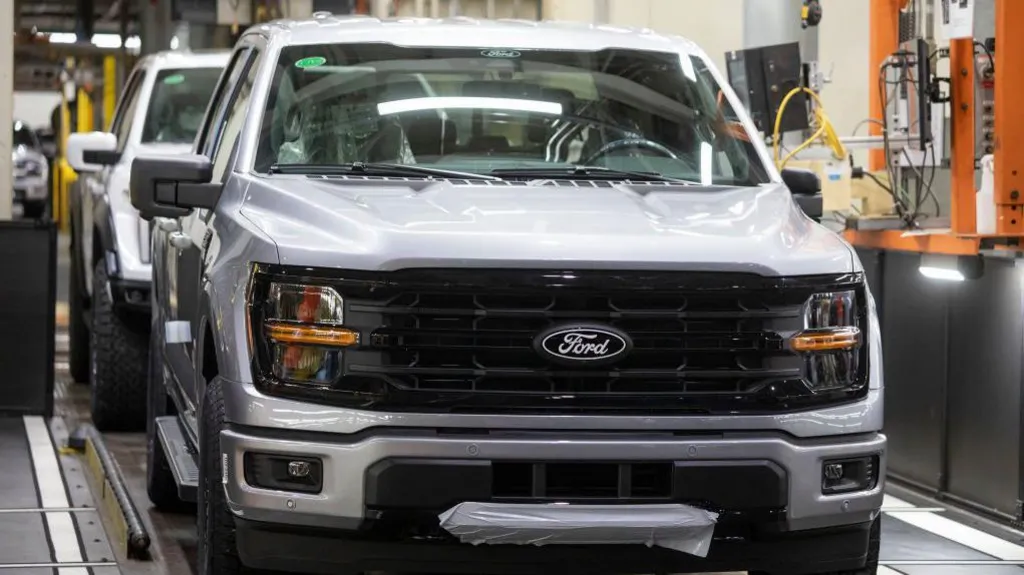
Ford has rehired more than 300 veteran engineers after artificial intelligence (AI) systems failed to match human skills in quality control. The US carmaker adopted AI across parts of its operations, including quality checks. This was done to cut costs and improve productivity, developers claimed. Bloomberg reported the company rehired these experienced inspectors in recent years. This move aimed to address shortcomings of automated systems.
The reintroduction of human expertise follows significant investment in AI solutions. Ford deployed 900 AI-powered cameras in its plants to detect quality issues. Charles Poon, Vice President of Vehicle Hardware Engineering, stated AI is only as good as its training data. He admitted the company did not pay enough attention to the experience of its most knowledgeable engineers. These engineers have been with Ford through many product cycles. The carmaker mistakenly thought simply introducing AI and ingesting design requirements would produce high-quality products. This did not meet their expectations.
This development offers a crucial lesson for Ghana's burgeoning technology sector and its ambitions for AI integration. The Ghanaian government has announced free 12-month access to the Gemini App for students. There are ongoing discussions about AI customs rollout by the Finance Ministry. Such initiatives demonstrate a strong interest in adopting AI to improve various sectors. However, Ford's experience highlights the need for careful implementation. It also shows the importance of human oversight, especially in complex tasks. Ghana risks marginalisation without urgent action, as noted by Vice President Bawumia regarding the AI era.
Charles Poon also noted that AI-driven checks lacked the training and expertise found in veteran technicians. Many experienced staff had left the company before their knowledge could be used to improve the AI systems. These human workers have now returned to train the AI systems. They also mentor younger workers within the company. Poon emphasized that human experience is vital for enhancing machine learning and AI tools. The return of these engineers helped Ford regain its top position in the US JD Power Initial Quality Study. This is an industry benchmark for vehicle quality. Ford had not held this ranking since 2010.
This signals that decision-makers in Ghana must consider the practical limitations of AI. They should ensure that technological adoption complements, rather than fully replaces, human expertise. The market will closely watch how other major industries integrate AI. This includes sectors like banking and finance, where Mastercard is eyeing Africa’s GHS 198 billion market with AI. Successful AI deployment will likely involve a hybrid approach, combining technology with invaluable human skill. This ensures both efficiency and quality as Ghana accelerates its digital transformation.