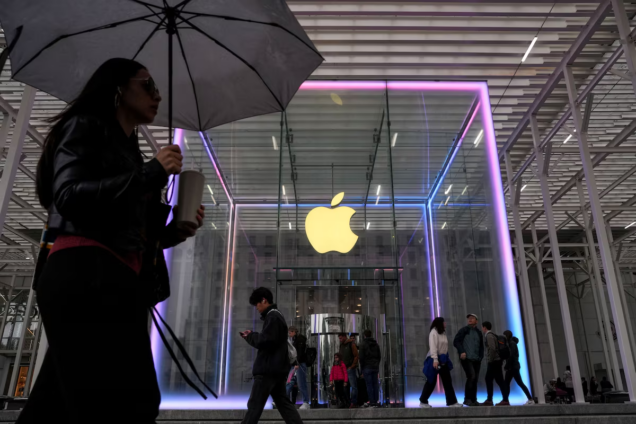
Apple has increased prices for some MacBooks and iPads by almost 20%. This adjustment is a direct response to a global surge in the cost of memory and storage chips. Similarly, Xbox has raised the price of its gaming consoles for the second time in less than a year, citing a “components crisis.”
The electronics industry faces an “unprecedented challenge” from an “extraordinary surge” in demand for chips. These chips power artificial intelligence (AI) data centers, impacting a wide range of devices. This heightened demand has created a significant imbalance between chip supply and demand. Companies like Apple and Xbox are consequently passing these increased costs on to consumers.
These global price increases fit into a broader narrative of inflationary pressures affecting Ghana’s economy. Rising import costs for essential components contribute to Ghana’s overall inflation levels, which recently stood at 23.2% in May 2024. While direct impacts on local manufacturing might be limited, Ghanaian consumers will face higher prices for imported electronic goods. This trend could reduce purchasing power and affect consumer spending, echoing broader economic challenges.
Apple stated, “We have never seen a component price increase this much, this quickly.” The company confirmed it is actively seeking solutions to mitigate these rising expenses. Tech analyst Paolo Pescatore noted, “This is a significant moment because even Apple, with its scale and buying power, is no longer immune to the rising cost of key components.”
The price increases by Apple and Xbox signal potential further adjustments across the tech sector. Other PC and tablet brands may follow suit by raising their own product prices or reducing discounts. This trend suggests that consumers should brace for continued higher costs for electronic devices. Decision-makers and markets will watch for how long this “components crisis” lasts and its impact on consumer spending. Future costs for memory and storage are projected to double again by 2027, indicating sustained inflationary pressure in the tech hardware market.
Specific examples of the price hikes include the MacBook Pro with 1 terabyte of storage, which rose to $1,999 from $1,699 in the US. In the UK, Apple’s lowest-priced laptop, the Neo, increased from £599 to £699. Xbox’s basic console will go up by $100 to $499, and a console with more memory will increase by $150 to $749. These new Xbox prices will take effect from August.
David Naranjo of market research firm Counterpoint expects other companies to adjust prices. This could involve raising prices on specific products or increasing focus on premium devices. Dipanjan Chatterjee, an analyst at Forrester, believes Apple’s loyal customer base will likely accept these price increases. He noted, “If anyone can survive a price increase with minimal blowback, it’s Apple.”
This situation highlights the global interconnectedness of supply chains and costs. The rising costs of components directly affect consumers in Ghana, even for products manufactured elsewhere. Monitoring global chip production and demand will be crucial for understanding future electronic device pricing. These developments reflect a challenging economic environment where even major multinational corporations face pressures from escalating input costs.