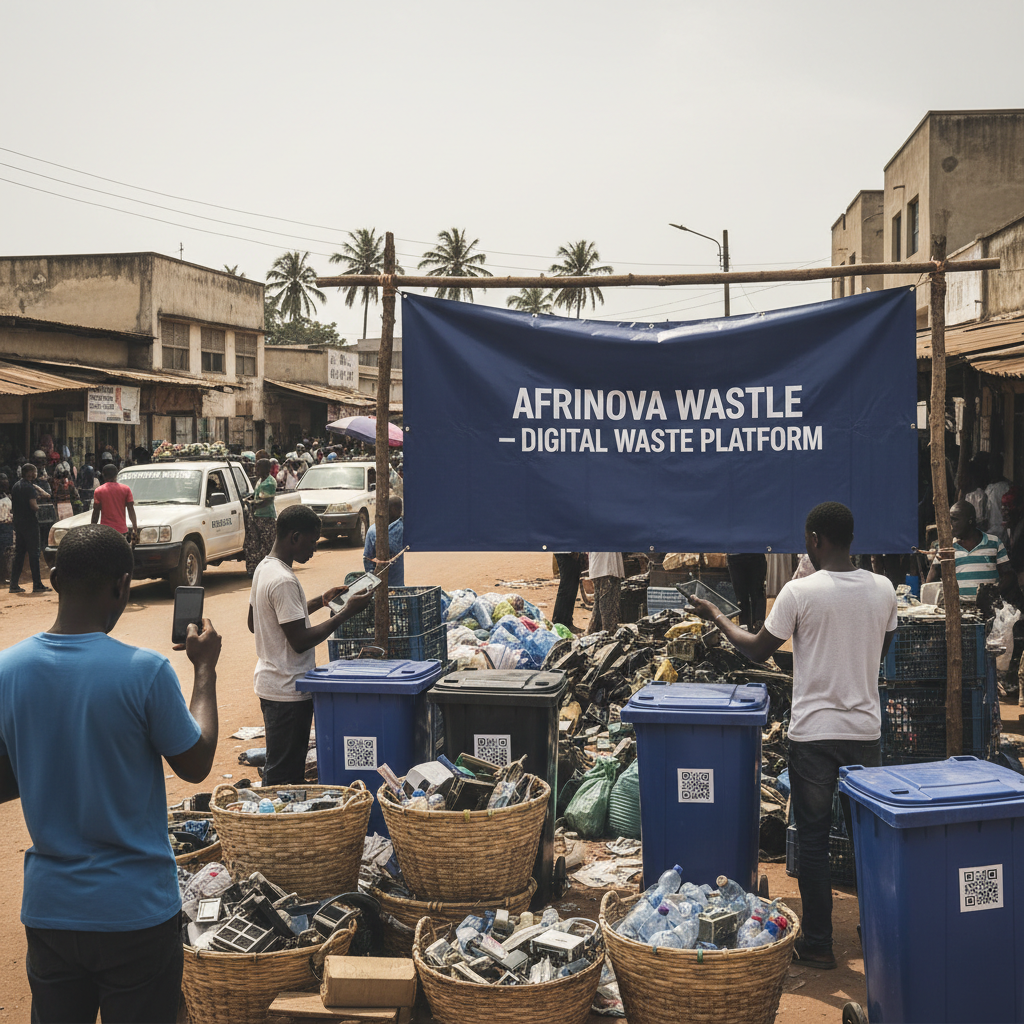
Afrinova Wastle Solutions Limited launched its new digital platform, Wastle, on Tuesday, 7 July 2026. This platform aims to transform waste management in Ghana by improving access to reliable collection services and promoting recycling.
The technology-driven initiative seeks to provide dependable waste collection for households, businesses, and institutions through digital innovation. It also supports creating green jobs and advancing Ghana's circular economy. This launch is a key part of efforts to improve sanitation and build cleaner communities.
The launch comes ahead of a government national clean-up exercise scheduled for Friday, 10 July, and Saturday, 11 July. This exercise targets seven flood-affected regions to reduce future flood risks after recent heavy rains. The Minister for Food and Agriculture, John Dumelo, highlighted the critical need for better waste management practices daily. Poor waste disposal contributes significantly to blocked drainage systems and subsequent flooding, impacting the national economy.
John Dumelo, who is also the Member of Parliament for Ayawaso West Wuogon, urged Ghanaians to embrace proper waste management as a regular habit. He stated, “Wastle is here at the right time so let’s take advantage of this and enjoy their services at the comfort of our homes and offices.” He expressed confidence that the Wastle platform would strengthen waste collection systems and help solve Ghana's significant sanitation issues.
Alex Kwame Donyinah, Managing Partner for Operations at Afrinova Wastle Solutions Limited, noted the inspiration for Wastle came from observing inconsistent waste collection nationwide. Many families relied on chance encounters with waste operators, leading to unreliable disposal. Donyinah emphasized, “Why should families and businesses rely on chance encounters just to dispose of their waste when technology can provide a reliable solution?”
Wastle leverages digital technology to connect waste generators and service providers, making collection more efficient. Poor sanitation imposes significant economic costs on Ghana. Therefore, technology, strategic partnerships, and active community participation are essential for building cleaner and more resilient communities. The platform operates in partnership with the Ayawaso West, Madina, and Adentan Municipal Assemblies.
Representing the Member of Parliament for Madina, Ivan Dzakpasu acknowledged that recent floods highlighted the severe consequences of poor waste disposal. He described Wastle as more than a simple waste collection application. It empowers residents to request collection services and report blocked drains before they become flood hazards. Dzakpasu affirmed, “This is not just an app. It is a tool to help prevent the disasters we have experienced. A cleaner community is a safer community.”
The successful integration of such digital solutions could lead to substantial improvements in public health and environmental quality. This effort supports government initiatives targeting sanitation and flood prevention. Continued collaboration between technology providers, local governments, and communities will be crucial for the lasting success of platforms like Wastle.