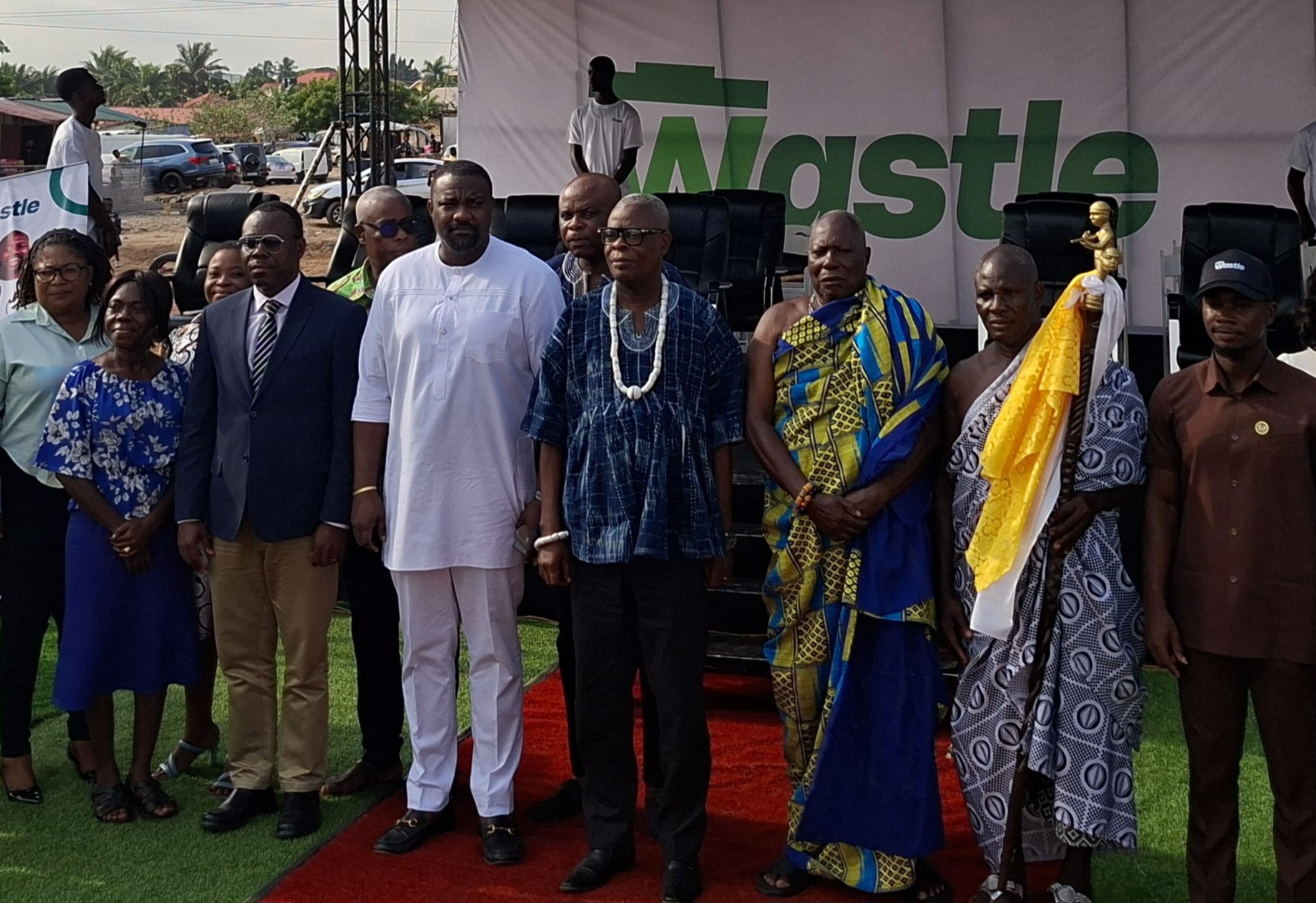
AfriNova Waste Solutions Limited has launched Wastle, a new online platform, aiming to remove uncertainty from waste collection services across Ghana. The platform connects households, businesses, and institutions directly with waste collectors, allowing users to request services and track their collections.
Mr. Alex Kwame Donyinah, Managing Partner-Operations of AfriNova Waste Solutions, stated that many Ghanaians currently struggle with unreliable waste collection. People often depend on chance encounters with tricycle operators to dispose of their refuse. The new Wastle platform directly addresses this long-standing issue by providing a structured, digital service.
Ghana consistently faces significant sanitation challenges, including irregular waste collection and widespread indiscriminate dumping. These problems contribute to public health issues and environmental damage, particularly with increasing urban waste volumes. Stakeholders increasingly recognize technology as a crucial tool to improve efficiency, accountability, and accessibility in waste management nationwide.
Mr. Donyinah unveiled Wastle at an event in Accra, which included representatives from the Ministry of Health and municipal health authorities. He highlighted that despite advances in smartphone technology and digital payment systems, waste collection remains largely informal in many communities. The platform utilizes Global Positioning Systems (GPS) and artificial intelligence to bring predictability to waste services.
The introduction of Wastle signifies a move towards leveraging technology for better public services. This initiative could potentially change how waste is managed, making it more efficient and reliable. Decision-makers and the public will observe how effectively the platform integrates into existing informal systems and improves citizen access to essential sanitation services.
Mr. Alex Kwame Donyinah referenced estimates from the Institute of Statistical, Social and Economic Research (ISSER). These estimates indicate that poor sanitation imposes substantial economic costs on Ghana. These costs stem from increased healthcare spending, environmental degradation, and lost productivity across various sectors.
The issue of waste management extends beyond mere inconvenience, posing a significant national development challenge. Mr. Donyinah emphasized that achieving Ghana's sanitation goals requires innovation, collaboration, and reforms in service delivery. He stressed viewing waste management not only as an environmental necessity but also as an opportunity for job creation and sustainable development.