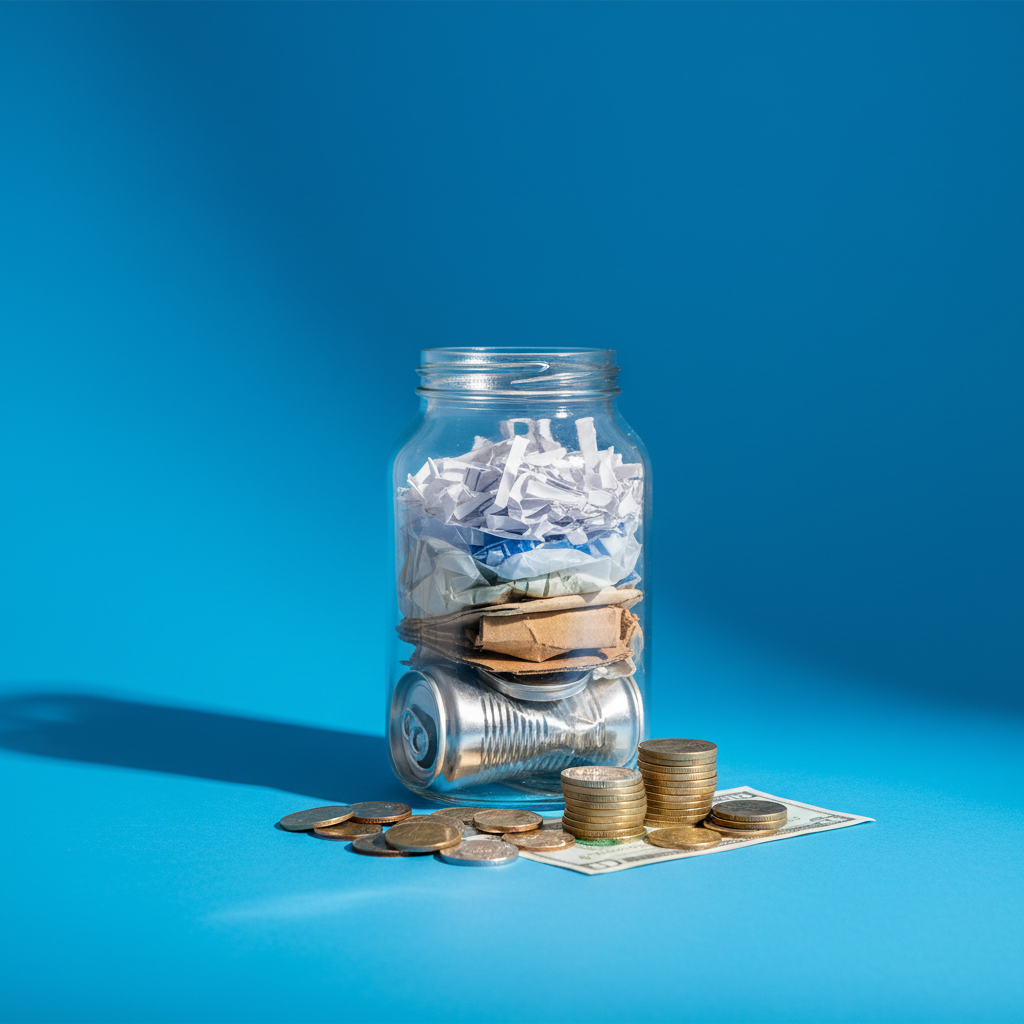
Dr. Zanetor Agyeman-Rawlings, Minister-designate for Environment, Science, and Technology, has called for widespread waste segregation. She urged households, schools, and communities to separate waste at its source. This initiative aims to significantly improve Ghana's management of solid waste.
Separating waste early makes it easier to process different materials effectively. This supports efforts to produce valuable compost and promotes recycling across the nation. Dr. Agyeman-Rawlings made these remarks during her vetting before Parliament’s Appointments Committee on August 27.
Ghana faces significant challenges in waste management, impacting public health and the environment. Improved waste segregation can reduce the burden on landfills and create new economic opportunities. The country's waste sector currently struggles with inadequate infrastructure and low recycling rates. This new focus aligns with broader national goals for sustainable development and resource efficiency.
“We need to also create a culture of segregation of waste in order to be able to know what's going where,” Dr. Agyeman-Rawlings stated. She explained that waste segregation must begin at the most basic societal units. This includes households, schools, and local communities, forming the foundation for a more efficient system.
The Minister-designate also stressed the importance of proper landfill design and management. She highlighted the need for non-permeable bases in landfills to prevent harmful substances from contaminating soil and groundwater. This measure is crucial for environmental protection and public safety. She noted that existing e-waste collection points already use similar safeguards.
Beyond traditional disposal, Dr. Agyeman-Rawlings suggested exploring alternative methods for solid waste. She mentioned technologies that convert waste into energy and other useful products. This includes pyrolysis, which can process plastic waste into fuel and cooking gas. Such innovations could transform waste into a valuable resource, reducing import reliance.
Some countries already import solid waste for thermal power generation, she observed. Ghana could adopt similar approaches to generate electricity and other products. Recycling specific types of plastic also offers opportunities to create reusable materials. This reduces waste volume while fostering a circular economy.
Addressing Ghana’s complex waste management issues requires a comprehensive strategy. Dr. Agyeman-Rawlings emphasized that no single solution will suffice. A combination of public education, stronger enforcement, and innovative technologies is essential. This multi-faceted approach aims to tackle the problem effectively and sustainably. The proposed changes could unlock significant economic benefits and improve environmental health.