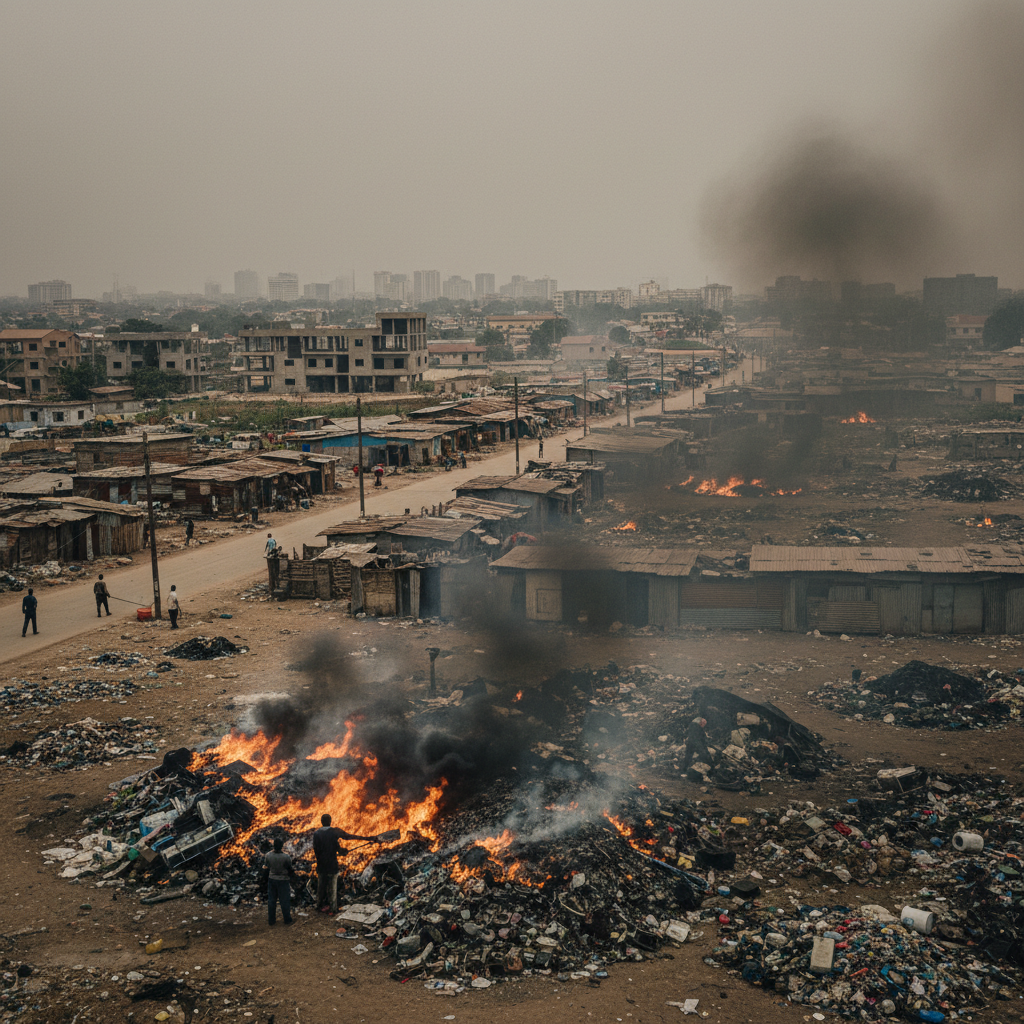
The Clean Air Fund criticises the burning of waste during Ghana's national clean-up exercises. This practice undermines the campaign's aim for a cleaner environment. Desmond Appiah, the Country Lead for the Clean Air Fund, warned against this approach. He spoke on JoyNews' The Pulse on July 10, 2026.
Mr. Appiah stated that while the clean-up exercises are commendable, burning collected waste creates new pollution. It defeats the purpose of improving public health and sanitation. The Environmental Protection Agency (EPA) recently introduced new Air Quality Regulations. These regulations outline proper waste management. Open burning is inconsistent with these national environmental standards.
This issue fits into Ghana's broader challenge of waste management and air quality. Ghana has faced persistent problems with pollution and sanitation infrastructure. The government has invested in national clean-up initiatives to address these concerns. Data indicates rising non-communicable diseases linked to poor air quality in urban areas. Previous sanitation campaigns have struggled due to lack of sustainable waste disposal solutions. The ongoing pollution from waste burning counteracts progress in public health and environmental protection.
Desmond Appiah commented on the situation. He said, "We are trying to solve one problem and creating another." He emphasised that government-led initiatives should demonstrate best practices. Authorities should not engage in activities that contradict existing environmental regulations. He added, "Pollution travels. Air pollution is invisible." This highlights that the impact extends beyond the immediate burning site.
The immediate implication is that national clean-up efforts must adjust waste disposal methods. Authorities leading these exercises should stop open burning. They must find environmentally acceptable ways to manage collected waste. This response will influence future public health outcomes and regulatory compliance. It will also signal the government's commitment to its own environmental policies and international climate goals. Decision-makers and local assemblies will need to review their waste management strategies for ongoing and future campaigns.