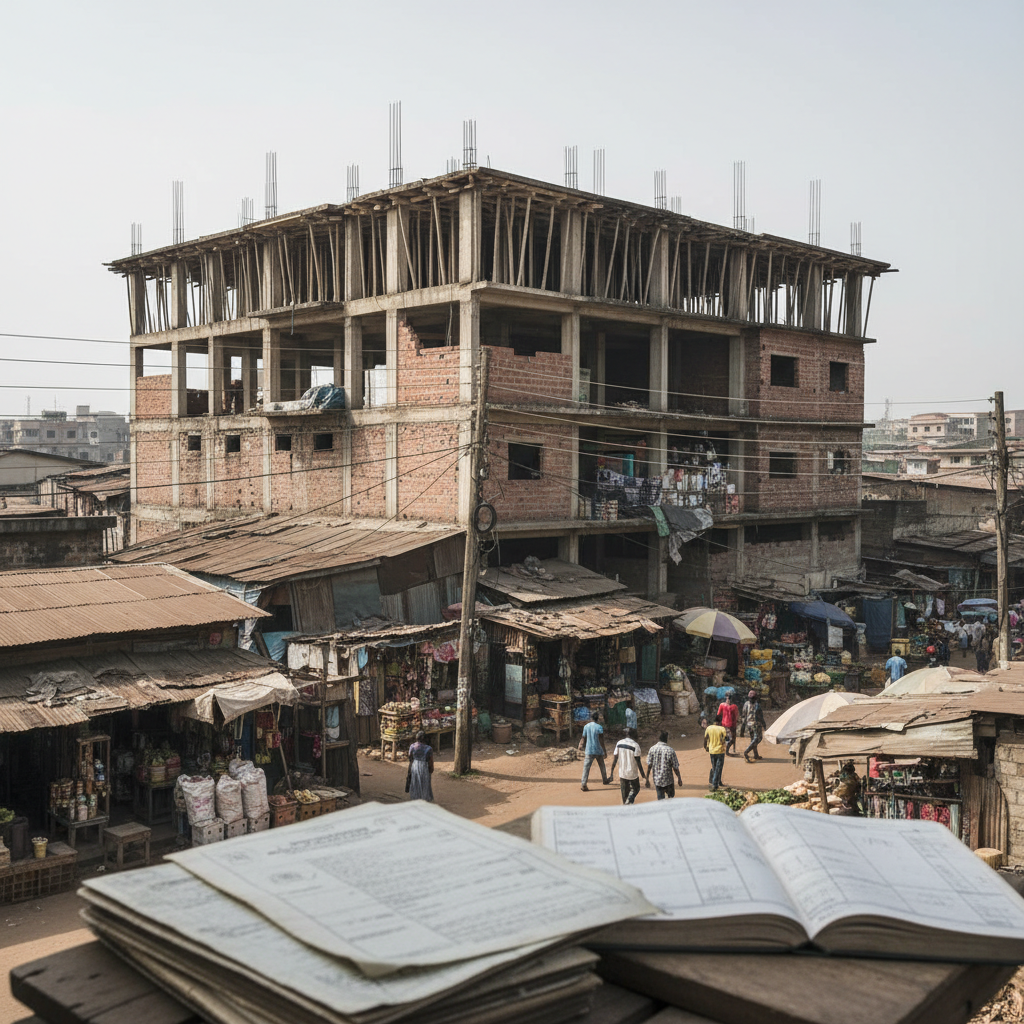
Ghana still approves unsafe buildings despite clear land-use planning regulations, an urban development planner announced. Kofi Kekeli Amedzro highlighted these persistent failures after recent floods killed 18 people. These floods caused significant property damage across Accra and the Central Region.
Mr. Amedzro, speaking on Joy News’ PM Express, stated that development control is legally guided. However, weak enforcement and political meddling constantly undermine safety standards. Technical committees at the district level, comprising experts like planners and engineers, should process approvals. These committees must ensure developments align with the area's land-use plan.
This situation points to systemic weaknesses within Ghana's urban development framework. Ghana has experienced increasing urbanization and associated infrastructure challenges for years. The recent National Population and Housing Census revealed over 56% of Ghanaians now live in urban areas. This rapid growth strains existing planning and enforcement mechanisms. Past reports by the National Disaster Management Organization (NADMO) consistently link building on waterways and unauthorized settlements to severe flood impacts.
Mr. Amedzro emphasized the Land Use and Spatial Planning Act, which requires all developments to conform to local land-use plans. He explained that district-level special planning committees review permit applications. These committees, including planners, engineers, and environmental protection agency (EPA) representatives, base decisions on prepared area plans. He reported that critical planning documents are often missing or incomplete at the local level. This absence allows informal influences, often politically driven, to bypass standard procedures.
The continued approval of unsafe structures has significant implications for public safety and the economy. It increases long-term disaster preparedness costs and property insurance premiums. Businesses and residents face recurring disruptions and losses from floods, affecting economic stability. Decision-makers must strengthen urban planning enforcement and reduce political interference. Improved regulatory oversight is crucial to protect lives, properties, and the national budget from preventable disasters. Addressing these issues will help secure sustainable urban development for Ghana.