Ghana's government has advanced new tribunal bills aimed at improving the efficiency of the justice system. Majority Chief Whip Rockson-Nelson Dafeamekpor stated these bills will not revive the tribunals of the Provisional National Defence Council (PNDC) era. He defended the move on JoyNews' PM Express on Monday, July 13, emphasizing the focus on faster justice delivery.
Mr. Dafeamekpor acknowledged public apprehension about tribunals due to past experiences. However, he stressed the system has evolved significantly through legal reforms and judicial decisions over the years. The proposed bills intend to complement Ghana's existing judicial structure, not replace it, by addressing overwhelming caseloads in current courts. This initiative seeks to speed up the resolution of both criminal and civil cases across the country.
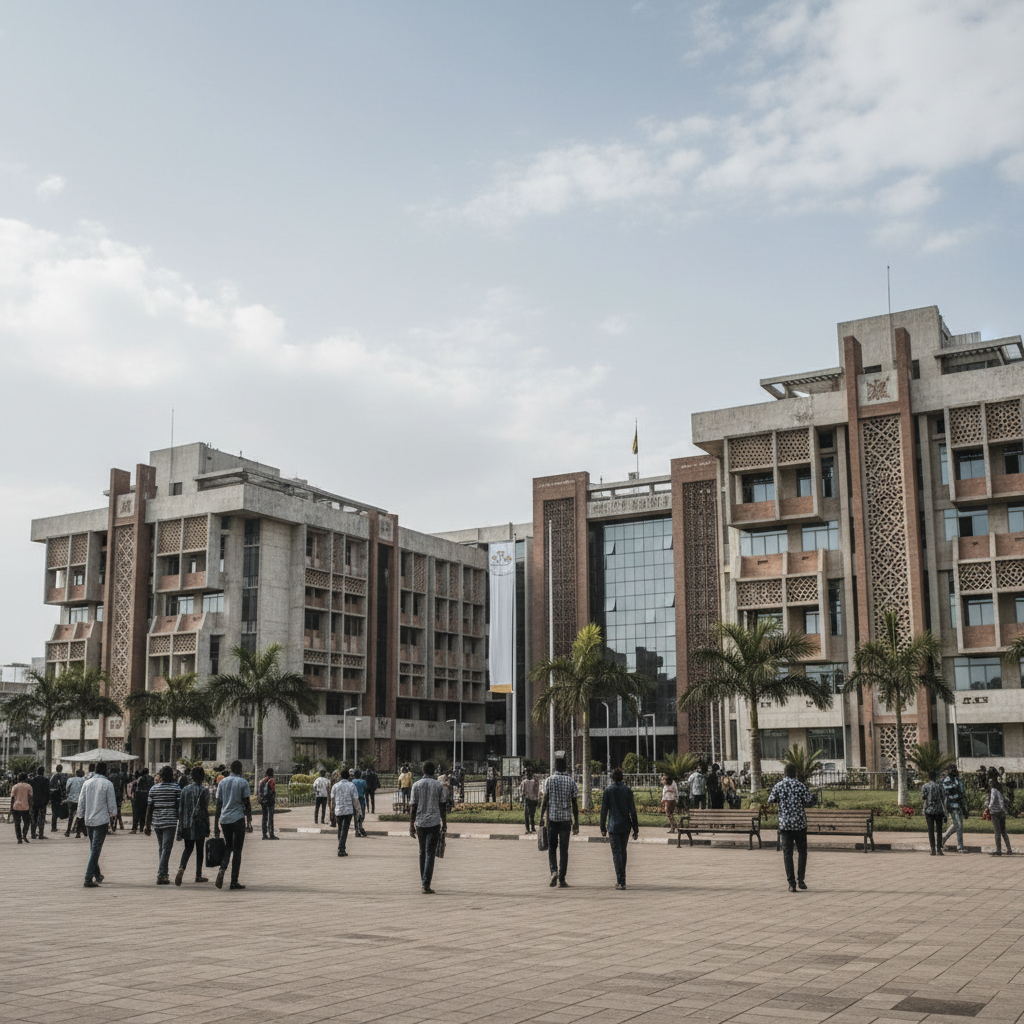
This development fits into Ghana's ongoing efforts to strengthen its legal framework and improve governance. The judiciary continues to face challenges with backlogs, despite expansions in court infrastructure. For instance, the Law Court Complex in Accra houses numerous specialized High Courts to handle diverse cases. The proposed tribunals are intended to ease this burden, aligning with constitutional provisions for regional tribunals. The government believes increasing access to justice through more efficient systems is crucial for economic stability and investor confidence.
“This perceived apprehension about the tribunal system is quite deeply rooted,” Mr. Dafeamekpor explained. He added, “But it's been dealt with by text writers, by judicial decisions, by the reforms that we've seen over the years.” He highlighted that the tribunal structure under PNDC Law 78 differed markedly from the post-Fourth Republic system, which saw reforms in 2002. These reforms abolished community and circuit tribunals, replacing them with district and circuit courts. He also noted the Constitution mandates the existence of regional tribunals.
The effective implementation of these tribunal bills could significantly reduce case backlogs and improve legal certainty in Ghana. Businesses and citizens will benefit from quicker resolution of disputes, potentially boosting economic activity. Policymakers and the public will closely watch how these tribunals are established and operate. The government will need to clearly communicate the distinctions between these new tribunals and historical systems to build public trust and ensure smooth integration into the judicial landscape. The focus will be on specific categories of offences, as outlined in the bill's memorandum.
The Judiciary consistently requests additional funding for more courts to manage its heavy workload. Every year, Parliament receives requests for resources to address the large number of pending cases. Over the past 16 years, many High Court divisions and district courts have been created. This includes ensuring every district has at least one magistrate court, as legally required. Despite these expansions, the demand for more courts continues to rise. Hence, the government sees the need to operationalize regional tribunals and establish additional ones at the district level to support the existing judicial infrastructure. This move is necessary to manage the increasing caseloads and ensure access to justice for all citizens.