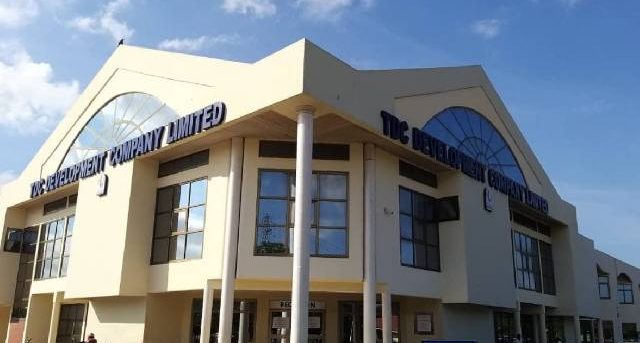
The Tema Development Company (TDC) has strongly condemned the Tema Metropolitan Assembly (TMA) for prematurely demolishing portions of its Community One Site Three infilling project. TDC described the action as unfortunate and premature, occurring before a seven-day period for response had expired. This incident highlights a growing dispute between two key government institutions over regulatory authority and project execution in Tema.
The demolition took place on August 12, despite TDC receiving a letter from the TMA on August 10, dated August 7. This letter requested additional documentation and outlined steps TDC needed to take before continuing the project. TDC Managing Director, Courage Nunekpeku, stated the company had promptly responded to the Assembly's concerns. The company expected the seven-day response period to expire on August 14, making the August 12 demolition unexpected.
This dispute reflects broader challenges in Ghana's urban development, particularly concerning land administration and inter-agency coordination. Historically, TDC has operated under an understanding with local assemblies for over four decades, often without needing traditional permits for its projects. This arrangement allowed TDC to make land available to assemblies for community projects without charge, fostering a collaborative environment. The current demand for permits signals a shift in this long-standing relationship, potentially impacting future development projects.
Courage Nunekpeku, TDC Ghana Limited Managing Director, expressed surprise at the Assembly's swift action. He stated, “We have a longstanding relationship to the extent that whatever project we are doing, we are not supposed to get a permit for a project.” This statement underscores the perceived breach of established protocols by the TMA. TDC has since petitioned higher authorities, seeking resolution through dialogue and mutual understanding.
The implications of this dispute extend beyond the immediate project, potentially affecting investor confidence and future urban planning in Ghana. The lack of clear, consistent regulatory enforcement between government bodies can create uncertainty for developers and stakeholders. Decision-makers will closely watch how this inter-agency conflict is resolved, as it could set a precedent for how similar disputes are handled across the country. A swift and amicable resolution is crucial to prevent further disruptions to development initiatives.
This incident also raises questions about the clarity of land use designations and the enforcement of building regulations in rapidly developing urban centres like Tema. The Community One Site Three infilling project is central to this conflict, with the TMA reportedly halting it over concerns about permits and land use. The land was allegedly designated for community facilities, adding another layer of complexity to the disagreement. Effective communication and adherence to agreed-upon procedures are essential for maintaining stability in the construction sector.
The outcome of TDC's petition to higher authorities will be critical in defining the operational boundaries and collaborative frameworks between state entities. A failure to resolve such disputes amicably could lead to project delays, increased costs, and a perception of regulatory instability. This situation underscores the need for robust institutional mechanisms to mediate and resolve conflicts between government agencies, ensuring smooth execution of public and private sector projects. The Ghanaian economy relies on predictable regulatory environments to attract and retain investment.