Senegalese Members of Parliament (MPs) have enacted controversial constitutional reforms, significantly expanding their own powers. Conversely, these reforms curb the authority of the president. The changes passed with an overwhelming majority after heated debates in parliament.
This legislative move highlights an escalating power struggle between President Bassirou Diomaye Faye and parliamentary Speaker Ousmane Sonko. Sonko is a former ally who is now a rival. Protests erupted outside the parliament building in response to the reforms.
This development is crucial for West Africa's political stability, influencing investor confidence and regional economic ties. Senegal is a key economic player in the sub-region. Political uncertainty can deter foreign direct investment and potentially impact trade relations with neighbours like Ghana. During 2023, Ghana's trade with Senegal amounted to GHS 125 million, demonstrating significant bilateral economic activity.
The government stated the reforms would go to a national referendum. No date has been announced for this public vote. Faye and Sonko won power together in 2024. They promised sweeping reforms, but their alliance has since fractured, causing political instability. Their relationship worsened over months, with Sonko openly criticising Faye's handling of Senegal's debt problems.
President Faye fired Sonko as prime minister in May. However, Sonko's Pastef party holds a majority of 130 seats in the 165-member National Assembly. MPs then chose Sonko as the parliamentary speaker.
The Pastef party proposed these constitutional reforms. They aim to strengthen parliamentary oversight by increasing lawmakers' investigative powers. The changes would require the government to disclose agreements about natural resources to parliament. Other proposals include creating a Constitutional Court with nine members, replacing the current seven-member Constitutional Council.
Another key proposal prohibits a sitting president from leading a political party. This move appears aimed at President Faye, who remains a Pastef member but no longer holds an official party role. If enacted, it could hinder his ability to form his own party before the next election. The reforms also bar a president from signing certain acts into law between a presidential election and the inauguration of the president-elect. Additionally, they expand the powers of parliamentary committees.
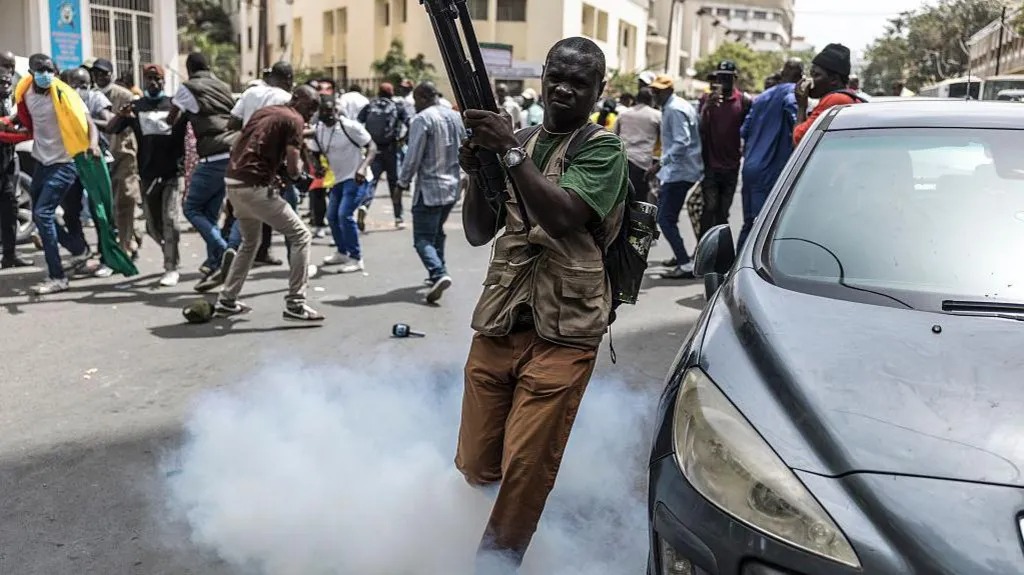
Police used tear gas to disperse protesters outside parliament as lawmakers debated the amendments. Inside the chamber, tensions were high, leading opposition MPs to walk out in protest. Pastef claims the changes seek to strengthen the separation of powers across Senegal's executive, legislature, and judiciary. However, the opposition views the initiative as political revenge by Sonko, who maintains significant influence over the parliamentary majority.
Justice Minister Moussa Sarr announced the president's intention to submit the matter to a public vote during the debate. Yet, Sonko questioned the president's authority to do so. He argued that the reforms were validly adopted with the backing of a majority of lawmakers. Opposition parties and civil society organisations have criticised the amendments and called for an immediate withdrawal of the bill.
The economic implications of this political tension are significant. Prolonged instability could affect Senegal's credit ratings and borrowing costs. This is particularly relevant given Sonko's criticism of Faye's debt management. International investors will closely watch the upcoming referendum and political developments. Clear governance and a predictable policy environment are crucial for economic growth. This situation could also influence regional stability, affecting trade and investment flows across West Africa.