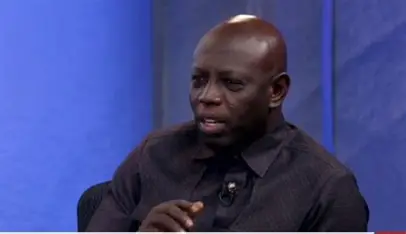
Professor Isaac Boadi, Executive Director of the Institute of Economic Research and Public Policy (IERPP), has firmly rejected proposals to extend Ghana’s presidential and parliamentary terms from four to five years. He argues this change could weaken democratic accountability significantly. His comments follow the government’s acceptance of a Constitutional Review Committee (CRC) recommendation for the extension.
The Attorney-General and Minister for Justice, Dr. Dominic Ayine, stated the proposal aims to give governments more time to implement policies. The current four-year cycle is considered too short for effective development programs. However, Professor Boadi warned that a five-year term could trap the country with an ineffective government for an extended period, posing substantial risks to national progress.
This debate fits into Ghana's ongoing discussions about governance efficiency and democratic stability. Past administrations have often faced criticism for perceived slow policy implementation within the existing four-year mandate. The CRC's recommendation seeks to address these concerns by providing a longer window for governments to execute their agendas, potentially fostering greater continuity in development projects.
Speaking on JoyNews’ AM Show on Friday, July 31, Professor Boadi emphasized his disagreement with the five-year tenure. He stated, “My issue is the five-year term.” He questioned the argument that an extended term would allow governments more time for development, noting that political activities in Ghana resume almost immediately after elections.
Professor Boadi highlighted the practical reality that governments spend significant time appointing officials and preparing for subsequent elections. This leaves a limited period for active administration, regardless of the official term length. He argued that extending the term would not necessarily resolve this issue, as the political cycle of campaigning and electioneering often overshadows governance.
He also raised serious concerns about the implications of citizens having to endure a non-performing or corrupt government for an additional year. “Imagine getting a president who is not performing, or a corrupt president, or someone sleeping on the job, and the country has to wait five years before voting again. We would be finished,” he cautioned. This underscores his belief that shorter terms enhance accountability by allowing citizens to change leadership more frequently if performance is unsatisfactory.
Professor Boadi maintained that Ghana’s governance challenges require stronger accountability systems, not longer political terms. He suggested that focusing on improving oversight and transparency mechanisms would be more beneficial than altering the electoral cycle. He also questioned whether the proposed amendment would necessitate a national referendum, noting that some constitutional provisions require direct voter approval.
Dr. Ayine has indicated that an implementation committee will categorize CRC recommendations based on the constitutional processes required for their adoption. Legal experts will need to determine if the proposed extension of presidential and parliamentary terms falls under the entrenched provisions of the 1992 Constitution, which would require a referendum. The outcome of this legal assessment will significantly influence the path forward for this controversial proposal.
The debate over term limits has significant implications for Ghana’s political landscape and economic stability. A longer term could provide stability for long-term economic planning, but it also carries the risk of reduced accountability. Decision-makers will need to weigh these factors carefully, considering public sentiment and expert opinions like Professor Boadi's, as they deliberate on this critical constitutional amendment.