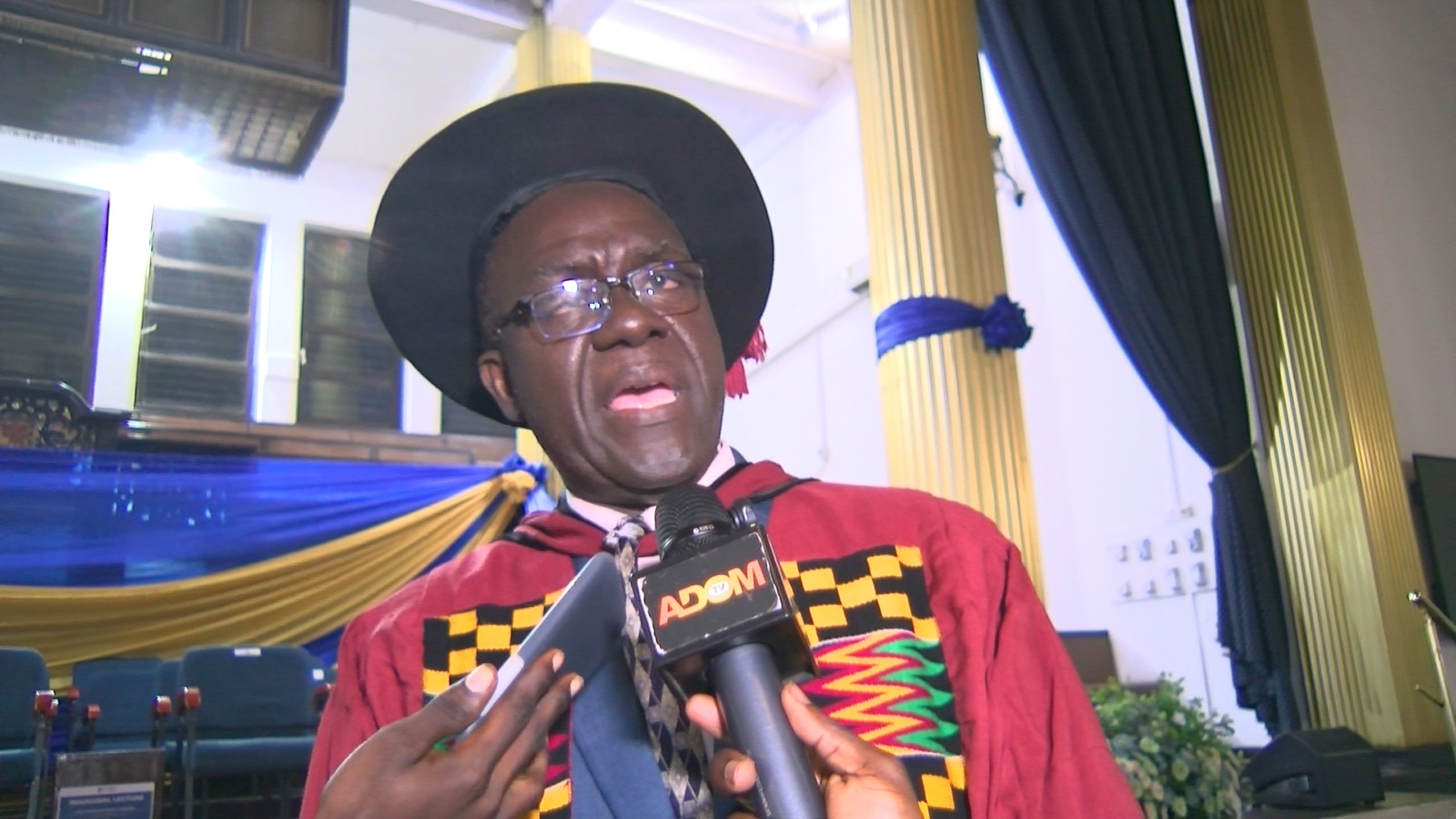
Professor Daniel Kwabena Twerefou, an Economics Professor at the University of Ghana, has issued a critical warning. He states that Ghana risks leaving future generations significantly worse off due to the current management of its natural resources. His remarks came during his inaugural lecture at the University of Ghana on Thursday, July 31, 2026.
Professor Twerefou highlighted that weak governance systems, insufficient policies, and the politicisation of natural resource management are key contributors. These factors have led to widespread destruction of forests, severe pollution of water bodies, and significant land degradation. Such issues deplete critical resources essential for sustainable national development.
This situation fits into a broader narrative of Ghana's economic challenges, where resource abundance often contrasts with development outcomes. Ghana, rich in gold, oil, and cocoa, has historically struggled to translate these endowments into equitable and sustainable prosperity for all citizens. The professor's concerns echo ongoing debates about the efficacy of resource revenue management and environmental protection efforts.
Professor Twerefou argued that Ghana's stewardship paradox is evident: the nation is rich in resources but poor in governance. He stated, "Stewardship is not just about extracting and exploiting natural resources. It requires strong institutions, effective governance, accountability and deliberate policies that recognise the economic, environmental and social value of these resources." This statement underscores the need for a holistic approach beyond mere extraction.
The continued destruction of forests, pollution of rivers, and degradation of farmlands pose serious threats. These challenges impact livelihoods, biodiversity, and Ghana’s long-term economic prospects. The professor cautioned that if current trends persist, future generations will inherit depleted mineral reserves and damaged ecosystems.
Ghana recorded progress in managing its economy and natural resources in the years following independence. However, increasing political interference has weakened accountability and undermined sustainable resource governance. This interference has eroded the institutional frameworks designed to protect these vital assets.
Professor Twerefou called for urgent reforms to strengthen institutions responsible for natural resource management. He also advocated for improved accountability and stricter enforcement of environmental laws. Implementing long-term policies and robust regulatory frameworks is crucial to ensure responsible and equitable management of Ghana’s natural resources for all citizens.
The implications are significant for Ghana's economic future and social stability. Decision-makers must address these governance deficits to prevent irreversible environmental damage and secure sustainable economic growth. Investors and international partners will closely watch Ghana's commitment to these reforms, as resource governance directly impacts investment climate and long-term stability.