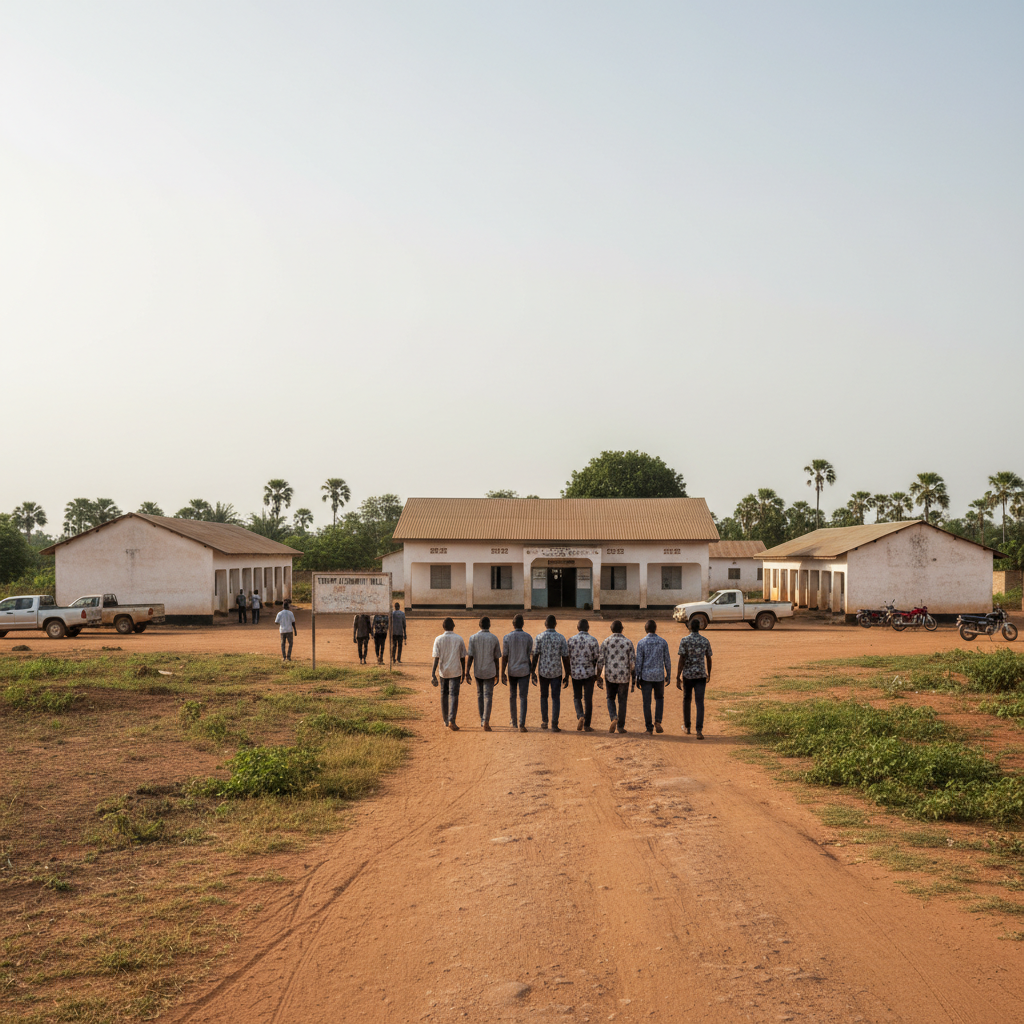
The National Peace Council (NPC) has established a nine-member Local Peace Committee (LPC) and trained 11 community monitors in Kongo, located in the Tempane District. This initiative aims to strengthen peacebuilding efforts and prevent violent extremism in the area.
This new committee and its monitors emerged from a two-day capacity-building training program. The program is part of the broader Governance, Rule of Law and Peacebuilding for Sustainable Development Project. The United Nations Development Programme (UNDP) partners with the NPC to implement this project, which receives funding from the governments of Denmark, Norway, and South Korea.
Such initiatives are crucial for Ghana's stability, especially in regions prone to social tensions and land disputes. Maintaining peace directly impacts economic development, as communities with stability attract investment and foster growth. Persistent insecurity can deter both local and foreign investment, affecting job creation and overall economic prosperity in the Upper East Region.
Mr. Damien Asobayire, the Upper East Regional Executive Secretary of the National Peace Council, stated that this intervention seeks to promote social cohesion. He explained it also works to prevent violent extremism and sustain peace within communities. The nine-member Local Peace Committee and 11 community monitors comprise various community groups, including youth, women, minority groups, and different ethnic representatives. This ensures inclusivity in peacebuilding efforts.
The monitors will support the committee by identifying and reporting early warning signs of conflict. This allows for timely intervention before disputes escalate. Mr. Asobayire highlighted that participants received training in early warning signals, conflict resolution, analysis, mediation, and preventing violent extremism. He emphasised that no community can achieve development without peace, underlining the importance of these capacity-building efforts.
Following the training, the committee developed an action plan to guide its activities. The plan includes addressing recurring petty disputes and engaging parties involved in farmland and land-related conflicts. These conflicts have been identified as major sources of tension in the community. Ensuring peaceful resolution of land disputes is vital for agricultural productivity and rural livelihoods, directly impacting the regional economy.
Mr. David Atualing Angaamba, the Upper East Regional Principal Project Manager at the National Peace Council, facilitated a session on conflict analysis and mediation. He stressed that mediators do not impose decisions but facilitate dialogue to help parties reach amicable resolutions. Effective dispute resolution requires patience, honesty, and sincerity, he urged the committee members.
Ms. Fati Asibobo, a Fulbe community representative and committee member, expressed optimism about using her new knowledge. She pledged to promote dialogue and peaceful coexistence. Mr. Abubakari Aminu Duut, another committee member, also committed to supporting the committee's work. The establishment of this committee is expected to create a platform for dialogue and strengthen efforts to address emerging conflicts peacefully.