At least 1 million women and girls have lost access to crucial humanitarian support over the last 18 months. This loss of vital aid follows a historic contraction in international development assistance, according to a new report from UN Women.
This funding shortfall is dismantling women-led organizations in many of the world's most dangerous regions. Researchers surveyed 855 women's organizations across 52 countries. Nearly 90% of these groups report they can no longer meet the urgent needs of their communities. Many organizations are now forced to turn people away or scale back life-saving operations.
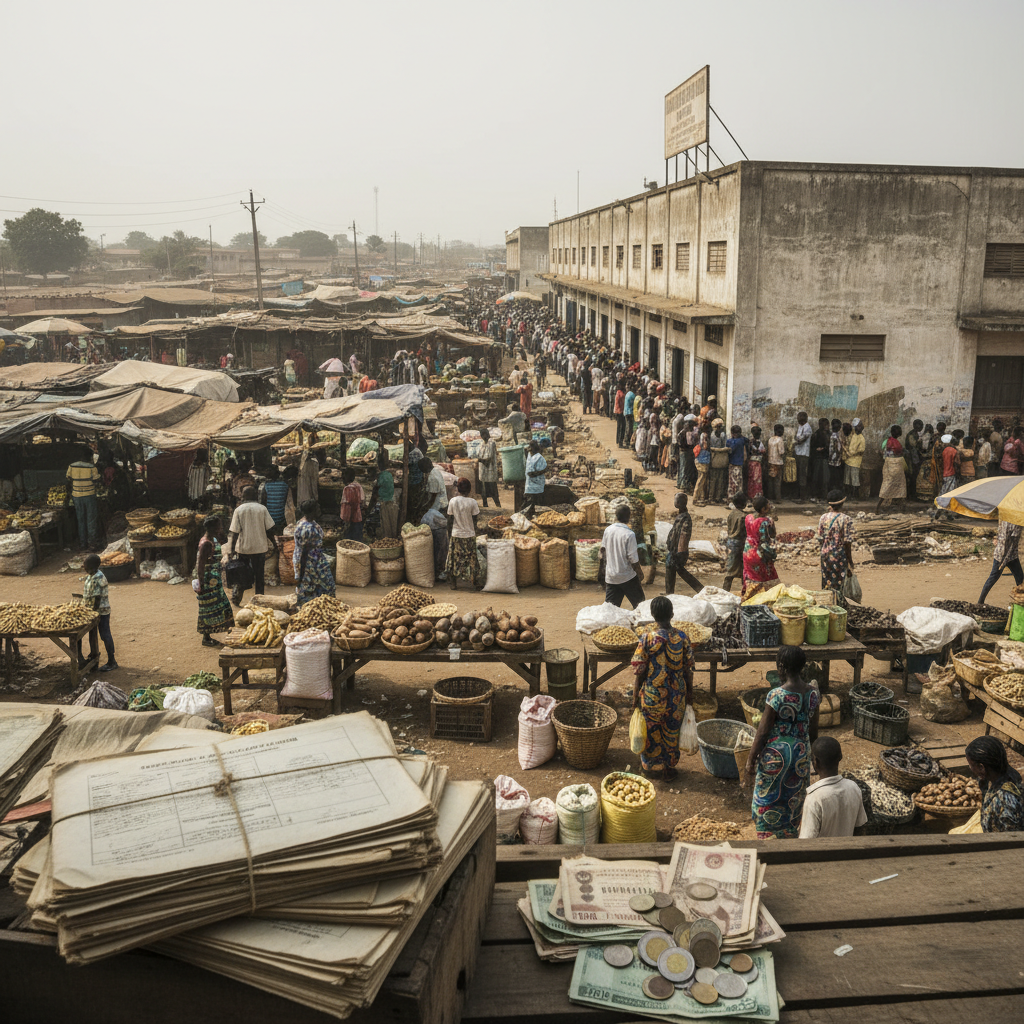
The global aid crisis significantly impacts Ghana's economic and social landscape, especially regarding gender equality. Reduced international funding strains local non-governmental organizations (NGOs) and community initiatives that often fill gaps in public services. This trend reverses progress made in women's empowerment and access to basic necessities across the continent, including Ghana. The aid contraction directly affects the financial resilience of local support networks.
Sofia Calltorp, UN Women’s Chief of Humanitarian Action, highlighted the severity of the situation. “UN Women has spoken to 855 women’s organisations working in 52 countries,” Calltorp stated. She added that these groups confirm women and girls have been denied help due to funding cuts. Calltorp warned that these figures represent only a fraction of the actual suffering.
The immediate consequence is devastating for vulnerable populations, including survivors of sexual violence and displaced mothers. Many local organizations face potential collapse, with one in five expected to close within the next year. The ongoing UN80 institutional reform process aims to improve efficiency, but stakeholders fear a dilution of gender equality mandates. This funding uncertainty creates a volatile environment for global development, impacting aid flows crucial for countries like Ghana.
The crisis coincides with a surge in global instability. Incidents of conflict-related sexual violence doubled during the past year. Also, 84% of surveyed organizations reported a sharp increase in demand for services since January 2025. This period marks significant shifts in international aid policies.
The Organisation for Economic Cooperation and Development (OECD) confirmed a massive contraction in global aid. Development assistance dropped by nearly one-quarter last year to $174 billion. This decline marks the largest yearly reduction on record. Financial constraints have also forced many U.N. agencies to reduce staff and terminate essential programs worldwide.
The ripple effects are particularly acute across Africa. Local organizations often serve as the primary lifeline where international agencies have limited reach. Many of these groups now operate with extreme financial precarity. Reports indicate staff members often work without pay to maintain essential services. This decline in support threatens progress on local leadership and gender equality. As safe spaces for survivors diminish, the social fabric of vulnerable communities across the continent faces unprecedented strain.
The United Nations is undergoing a significant institutional reform process called UN80. This includes discussions about potentially merging UN Women with the United Nations Population Fund. Supporters argue structural changes could improve efficiency during periods of constrained resources. Critics, however, worry about diluting specific mandates for gender equality and reproductive health. Humanitarian organizations remain in deep uncertainty, awaiting clarity on future funding and reform outcomes. This intersection of record-breaking humanitarian needs and tightening fiscal policies creates a critical environment for global development.